Golden Triangle India: A Timeless Route Through History & Heritage
December 3, 2025
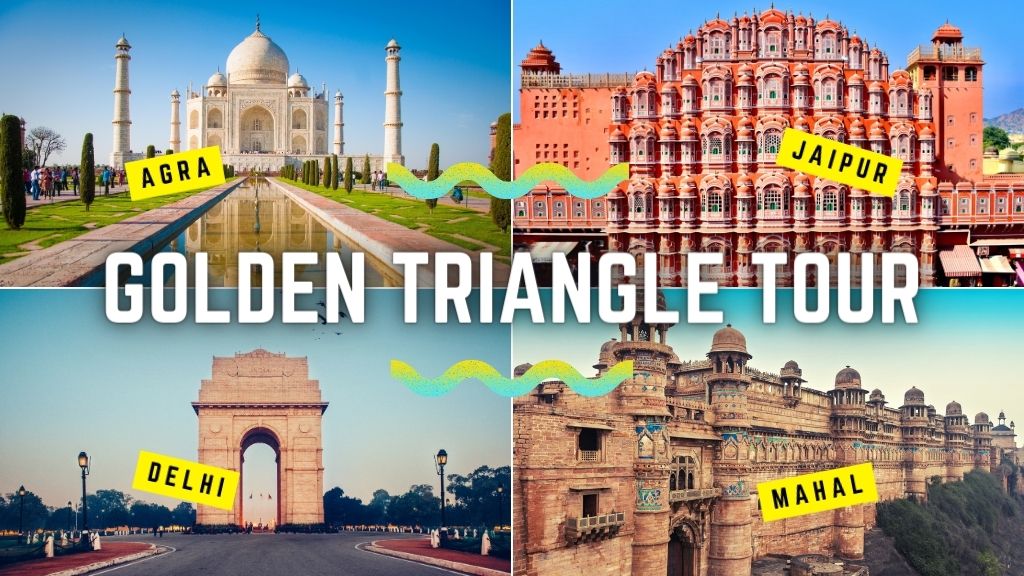
Golden Triangle India: A Timeless Route Through History & Heritage
Introduction to India’s Most Iconic Travel Circuit
Golden Triangle India: A Timeless Route Through History & Heritage has long stood as the crown jewel of Indian tourism, inviting people from across the globe to experience the heart of the country. This remarkable circuit, which connects Delhi, Agra, and Jaipur in a perfect triangle, encapsulates India's wide range of cultures in a single, magnificent voyage. From ancient empires to modern marvels, from Rajput heroism to Mughal artistry, the unique journey known as Golden Triangle India: A Timeless journey Through History & Heritage continues to amaze explorers who seek a deeper knowledge of India’s essence.
Why the Golden Triangle Is India’s Most Legendary Travel Route
The Golden Triangle’s popularity is built in its unique capacity to present India’s cultural diversity, architectural brilliance, royal heritage, and culinary richness within a tight geographical area. Travelers walk fluidly through thousands of years of history, encountering World Heritage Sites, living traditions, vibrant markets, and timeless storytelling. No other route offers this level of variation, making the Golden Triangle both a beginner-friendly introduction and an advanced cultural deep dive.
Delhi: The Golden Triangle's Historic Entryway
A City of Cities
Delhi, India’s capital, is a fascinating blend of eras, styles, and empires. The city has been reborn numerous times over two millennia, with each epoch leaving its architectural and cultural impression. Today, Delhi stands as a dramatic combination of historic monuments and modern boulevards, presenting a superb opening to the Golden Triangle tour.
Architectural Icons of Delhi
The city’s landmarks illustrate the rise of major empires:
Qutub Minar: An excellent example of Indo-Islamic workmanship from the 12th century
Humayun’s Tomb: The Mughal plan that subsequently inspired the Taj Mahal
Red Fort: The magnificent palace complex representing Mughal authority
India Gate & Rajpath: Reflecting the geometric grandeur of British-era architecture
These landmarks exemplify Delhi’s multifaceted identity, where history, architecture, and power intersect.
Living Heritage of Delhi
Delhi is vibrant with cultural experiences outside of its monuments:
• The perfumed alleyways of Chandni Chowk
• Sacred spaces like temples, mosques, gurdwaras, and churches
• Bustling bazaars featuring street food, textiles, and handicrafts
• A vibrant arts scene featuring theaters, museums, and heritage walks
Delhi’s charm resides in this blend of antiquity and modernity, offering a multi-sensory introduction to India.
Agra: The Timeless Mughal Capital
Home of the Taj Mahal
Agra is connected with the Taj Mahal, the renowned representation of unending love that Emperor Shah Jahan ordered built. Its bright white marble, exquisite symmetry, and intricate craftsmanship make it one of the greatest triumphs in global architectural history. However, Agra's imperial marvel goes well beyond the Taj Mahal.
The Mughal Treasures of Agra
The city was once the pulsing core of the Mughal Empire, and its landmarks demonstrate unrivaled artistry:
Agra Fort: A vast red sandstone fortification with royal rooms, palaces, and halls
Tomb of Itimad-ud-Daulah: The magnificent “Baby Taj” with fine marble inlay work
Fatehpur Sikri: Akbar’s abandoned capital, an architectural masterpiece mixing Hindu, Persian, and Islamic components
These landmarks bring to life the refinement, inventiveness, and cultural mixing that distinguished the Mughal era.
Agra's Cultural Highlights
Agra continues to retain ancient crafts and cuisine culture:
• Workshops for marble inlay that preserve Mughal methods
• Handcrafted leather products and artisan souvenirs
• Delicious cuisine featuring Mughlai curries, kebabs, and the famed petha
Agra offers a journey not just through history, but through current Mughal legacy.
Jaipur: The Royal Heart of Rajasthan
The Magnificent Past of the Pink City
Jaipur, with its famous pink-hued structures, welcomes guests to the regal world of Rajput kings. Designed by Maharaja Sawai Jai Singh II, the city was one of India’s earliest planned capitals and remains an architectural marvel studded with palaces, fortifications, astronomical wonders, and busy markets.
Architectural Wonders of Jaipur
Some of Rajasthan’s greatest masterpieces stand here:
Amber Fort: A beautiful structure with mirrored halls, courtyards, and hilltop vistas
Hawa Mahal: A distinctive five-story façade with 953 windows intended for royal viewing
City Palace: A luxurious and exquisitely designed royal house that is still inhabited
Jantar Mantar: An astronomical observatory known for scientific accuracy
The lavishness, creativity, and artistry of Rajput architecture are evident in every monument.
Living Culture in Jaipur
Jaipur's vibrant history explodes:
• Traditional Rajasthani food including dal baati churma, laal maas, and ghewar
• Folk dances, puppet shows, and musical performances
• Handcrafted jewelry, fabrics, block prints, blue pottery, and carpets
• Elephant vistas, camel rides, and lively retail avenues
Jaipur’s cultural charm makes it an unforgettable concluding destination in the cycle.
Experiences That Make the Golden Triangle Unforgettable
Culinary Journey Through Three Cities
Each destination in the Golden Triangle showcases unique culinary identities:
• Delhi's street food, Mughlai cuisine, and international tastes
• Agra’s sweets, tandoor delicacies, and Mughlai heritage
• Jaipur’s regal Rajasthani cuisine and desert specialties
The area transforms into a culinary experience that combines delicacies from centuries of custom.
Art, Handicrafts & Heritage Skills
Travelers witness India’s handmade tradition through:
• Agra's marble inlay
• Embroidery, weaving, and metalwork in Delhi
• Block printing, ceramics, and gemstones in Jaipur
These skills are kept by families carrying along traditions for decades.
Spirituality, Festivals, and Living Traditions
India's spiritual and cultural diversity is exemplified by the Golden Triangle through:
• Gurudwaras, churches, mosques, and temples
• Festivals celebrated across seasons
• Local traditions, music, dance, and folklore
This immersive cultural exposure is one of the route’s defining features.
Easy Travel Connectivity & Contemporary Comforts
The Golden Triangle is among India’s best-connected travel circuits. Travelers take pleasure in modern highways, fast trains, boutique accommodations, luxury hotels, curated events, cultural performances, and guided tours. This makes the circuit ideal for families, couples, solo travelers, first-time tourists, and photographers.
India's Heart in a Single Journey
The Golden Triangle's capacity to display disparate yet harmoniously related worlds—ancient and modern, regal and everyday, spiritual and vivacious, traditional and evolving—is its genuine enchantment. Visitors return home with not just images but a strong appreciation of India’s continuity, tenacity, and rich identity.
Conclusion
The Golden Triangle India: A Timeless Route Through History & Heritage remains more than a route—it is a transforming experience that illuminates the spirit of India. The circuit provides a remarkable immersion into the nation's cultural core, from Delhi's ancient power centers to Agra's Mughal romance and Jaipur's imperial splendor. This famous route is unparalleled for any tourist looking for significance, beauty, and history combined into one remarkable experience.