Places to Visit in Ranthambore
February 7, 2026
The Best Places to Visit in Ranthambore in 2026
Ranthambore is more than just a wildlife tourism destination. While it is famous for tiger safaris, this former royal hunting ground offers a complete travel experience filled with history, lakes, temples, and rural charm. Many travelers combine their visit with a Golden triangle tour with Ranthambore Tiger Safari to enjoy both heritage and wildlife in one journey.
Ranthambore National Park
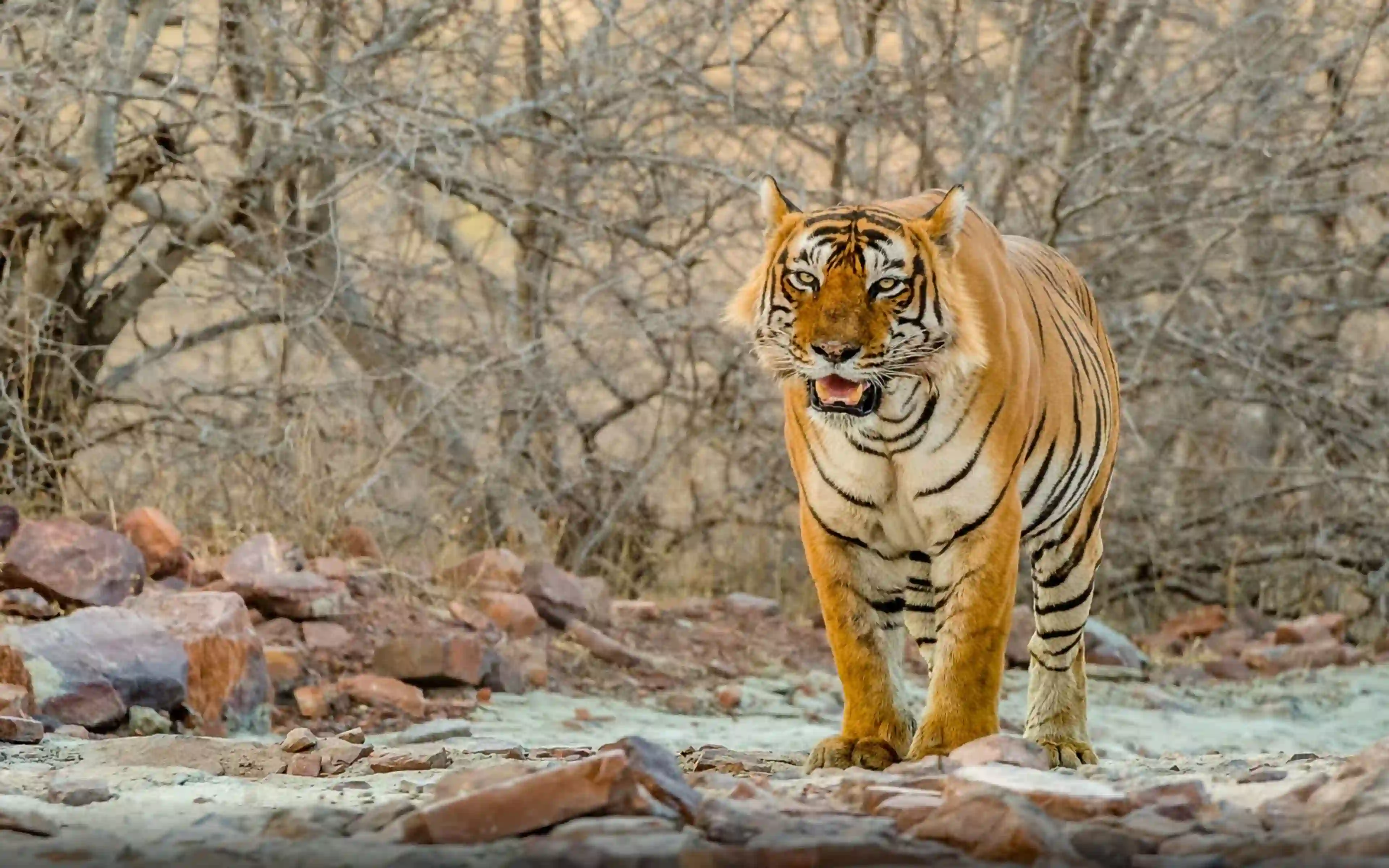
The main attraction of Ranthambore is its vast national park. The landscape includes dry deciduous forests, rocky hills, and open grasslands, offering excellent opportunities to spot tigers during daylight hours.
Apart from tigers, the park is home to leopards, sloth bears, hyenas, wild boars, sambar deer, nilgai, crocodiles, and over 300 bird species. Visitors often include this park in a Golden triangle tour with Ranthambore Tiger Safari for a balanced mix of culture and adventure.
Multiple safari zones offer unique landscapes and wildlife patterns. Morning and afternoon safaris increase the chances of sightings.
Ranthambore Fort
A UNESCO World Heritage Site, Ranthambore Fort stands proudly atop a hill within the park. Built over 1,000 years ago, the fort once protected major trade routes between central and northern India.
The fort complex features ancient gates, temples, ruined palaces, and panoramic forest views. Exploring the fort is often a highlight for those booking a Golden triangle tour with Ranthambore Tiger Safari.
Padam Talao
Padam Talao is the largest lake in Ranthambore National Park and a prime wildlife viewing area. Tigers frequently rest near the water, making it popular among photographers.
The scenic red sandstone Jogi Mahal adds charm to the surroundings. Visitors looking for iconic safari moments should not miss this location.
Malik Talao
Malik Talao is smaller but ideal for birdwatchers. Early mornings bring sightings of kingfishers, herons, storks, and egrets. Crocodiles can often be seen sunbathing along the banks.
Raj Bagh Ruins
The Raj Bagh Ruins combine history and wildlife in a stunning setting. Ancient stone arches and palace remains stand beside lakes and grasslands.
Tigers are frequently seen walking through these ruins, offering rare photographic opportunities. Many travelers include this magical location in their Golden triangle tour with Ranthambore Tiger Safari itinerary.
Kachida Valley
Kachida Valley is known for its rocky terrain and dense forest. This area is particularly famous for leopard sightings due to its ideal landscape for hunting.
The valley offers a more rugged safari experience and is perfect for travelers seeking lesser-known attractions.
Trinetra Ganesh Temple
Located near Ranthambore Fort, the Trinetra Ganesh Temple is one of Rajasthan’s oldest temples dedicated to Lord Ganesh. The idol here is unique with three eyes.
The temple attracts devotees from nearby towns and villages, adding a spiritual dimension to your Ranthambore visit.
Surwal Lake
Surwal Lake, located just outside the park, is a peaceful retreat for nature lovers. Winter mornings bring misty landscapes and large flocks of migratory birds.
It is an excellent spot for photography and quiet reflection, away from busy safari routes.
Sawai Madhopur Town
Sawai Madhopur serves as the gateway to Ranthambore. The town offers colorful markets, local temples, and authentic Rajasthani cuisine.
Many visitors exploring Rajasthan choose a Golden triangle tour with Ranthambore Tiger Safari to combine Delhi, Agra, Jaipur, and Ranthambore in one seamless trip.
Best Time to Visit Ranthambore
The ideal time to visit Ranthambore is between October and April. March and April offer the best tiger sightings as animals gather near water sources.
The park remains closed during the monsoon season (July to September). Advance booking is recommended for 2026 due to high demand.
Why Visit Ranthambore in 2026?
Ranthambore offers a rare blend of wildlife, history, and rural beauty. Its accessibility and range of luxury accommodations make it suitable for all types of travelers.
Pairing your safari adventure with a Golden triangle tour with Ranthambore Tiger Safari creates a complete North India travel experience.
Conclusion
Ranthambore is not just about tiger sightings; it is about walking through ancient forts, observing wildlife in open landscapes, and enjoying Rajasthan’s serene forests. From safari zones to hidden lakes and historic ruins, Ranthambore promises a meaningful and unforgettable adventure.
Frequently Asked Questions
How many days are ideal for Ranthambore?
A 3–4 day stay is ideal to enjoy multiple safaris, visit Ranthambore Fort, and explore nearby lakes.
Is Ranthambore suitable for families and senior travelers?
Yes, safari vehicles are comfortable and many resorts offer relaxing environments suitable for all age groups.
When is the best time for wildlife sightings?
March and April provide higher tiger sighting chances, while October to February offers pleasant weather.
Are tiger sightings guaranteed?
No, as it is a natural habitat. However, Ranthambore has a healthy tiger population, increasing sighting probability.
Can Ranthambore be combined with other destinations?
Yes, it is commonly combined with Jaipur, Agra, or Delhi for a complete Rajasthan or Golden Triangle itinerary.