The Magic of Jaipur: History, Architecture, and Colorful Traditions
December 16, 2025
The Magic of Jaipur: History, Architecture, and Colorful Traditions
More than just a travelogue, The Magic of Jaipur: History, Architecture, and Colorful Traditions offers a rich cultural account of a city where science, art, royalty, and daily life all coexist harmoniously. The continuing essence of Rajasthan's capital, which strikes a balance between living traditions and imperial splendor, is reflected in The Magic of Jaipur: History, Architecture, and Colorful Traditions. Jaipur is one of India's most alluring cities for tourists from all over the world because it is not stuck in the past; rather, it breathes, changes, and celebrates its heritage every single day.
The Origins of Jaipur: An Innovative City
Jaipur, one of the subcontinent's first planned cities, was established in 1727 by Maharaja Sawai Jai Singh II and has a special place in Indian history. In contrast to traditional cities that developed naturally, Jaipur was meticulously planned utilizing Vastu Shastra and Shilpa Shastra principles, guaranteeing symmetry, balance, and usefulness. A scientific perspective that was groundbreaking for its day was mirrored in the city's well-organized residential areas, broad avenues, and grid-based structure.
Jaipur swiftly became a flourishing administrative, cultural, and commercial hub. A thriving urban society emerged as a result of the encouragement of merchants, artisans, students, and craftsmen to move here. Even now, the ancient city's well-planned streets demonstrate how Jaipur was able to accommodate modern expansion without losing its unique identity.
The Reason Jaipur Is Known as the Pink City
Jaipur's signature pink hue represents hospitality and pride in addition to being aesthetically pleasing. When Albert Edward, the Prince of Wales, visited India in 1876, the city was painted pink to greet him. By royal decree, pink—a color associated with warmth and welcome—became Jaipur's everlasting identity.
The consistent rose-colored buildings in the old city today offer a visual harmony that is uncommon elsewhere. Travelers seeking legacy, culture, and architectural beauty continue to be drawn to Jaipur because of its distinctive appearance, which earned it the moniker “Pink City.”
Jaipur's Royal Architecture
The architectural landscape of Jaipur is a stunning fusion of Rajput, Mughal, and European influences, producing a unique style characterized by grandeur and fine workmanship.
Amer Fort: The Aravallis' Crown
Amer Fort, one of Jaipur's most potent representations of royal power, is perched on a hill with a view of Maota Lake. The fort, which was constructed from red sandstone and marble, features enormous gates, graceful courtyards, and magnificent rooms like the Sheesh Mahal, which are decorated with mirror mosaics that gleam in the light of candles. Amer Fort narrates tales of creative brilliance, military tactics, and regal rituals.
City Palace: A Living Example of Royal History
The erstwhile royal family still resides in the City Palace, which is situated in the center of Jaipur. Its collection of palaces, courtyards, museums, and ceremonial halls provides a glimpse into the lives of royalty. Centuries of regal history and governance are reflected in the elaborate gateways, royal clothes, weapons, and texts kept here.
Hawa Mahal: Stone Poetry
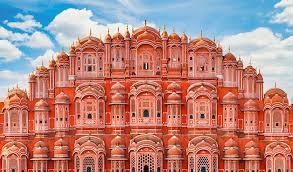
The most photographed monument in Jaipur is the renowned Hawa Mahal, often known as the Palace of Winds. Its 953 tiny windows and honeycomb façade, which was constructed in 1799, allowed royal women to watch city life while staying hidden. Beyond its aesthetic appeal, the building features clever ventilation design that automatically cools the interior during Rajasthan's hot summers.
Jaipur and Star Science
Beyond palaces, Jaipur has a rich scientific and astronomical legacy. Sawai Jai Singh II constructed the remarkable collection of celestial instruments known as Jantar Mantar, a UNESCO World Heritage Site. These enormous stone constructions were intended to track planetary motions, measure time, and make remarkably accurate eclipse predictions.
This observatory is a reflection of Jaipur's intellectual heritage, demonstrating that during the 18th century, the city was both a seat of authority and a hub for scientific growth.
Forts Protecting the Legacy of Jaipur
Beyond Amer Fort, Jaipur is guarded by a series of ancient forts that tell stories of power and defense.
Once home to the largest mobile cannon in the world, Jaigarh Fort is renowned for its military might. Jaipur's significance as a fortified city is emphasized by its sturdy walls and advantageous location. Perched on the Aravalli hills, Nahargarh Fort provides stunning views of Jaipur, particularly around dusk when the city is glowing a gentle pink.
Cultural Expressions and Living Traditions
Jaipur's culture is rich in tradition, lively, and expressive. Folk dance and music, which are performed at festivals, weddings, and other events, are fundamental components of daily life. Through elegant motions and rhythmic beats, dances like Ghoomar and Kalbelia tell tales of devotion, joy, and desert existence.
Jaipur's vibrant identity is further enhanced by traditional clothing. Block-printed textiles, mirror work embroidery, turbans, and vibrantly colored lehengas turn the streets into dynamic pieces of art. These customs are a genuine representation of local life and are not contrived for tourists.
The Bazaars of Jaipur: A Cultural Treasure
Jaipur's shopping scene is rich in artistry and tradition. Johari Bazaar, which carries on Jaipur's tradition as a major hub for the world's gem trade, is well-known for its gemstones and handcrafted jewelry. Textiles, mojris, lac bangles, blue ceramics, and traditional handicrafts made with age-old methods are available at Bapu Bazaar and Tripolia Bazaar.
Every piece tells a tale of craftspeople, families, and customs that have been passed down through the ages. The markets in Jaipur are living examples of Indian workmanship rather than just commercial centers.
Jaipur's Royal Flavors
Jaipur's culinary legacy is a testament to its tenacity, inventiveness, and regal extravagance. With the use of spices, dried ingredients, and slow cooking methods, Rajasthani cuisine developed to adapt to the desert climate. Bold tastes and traditional techniques are showcased in signature dishes such Ker Sangri, Laal Maas, and Dal Baati Churma.
The city's culinary culture is enhanced by sweet treats including Ghewar, Mawa Kachori, and Feeni. Jaipur offers a culinary experience that is closely linked to its royal kitchens and local homes, whether you want to eat in historic palaces or try street cuisine.
Celebrations That Brighten the Pink City
During festivals, Jaipur comes to life as tradition and large-scale festivity collide. The city is transformed into a vivid spectacle of colors, lights, music, and rituals during events like Teej, Gangaur, Diwali, and the Jaipur Literature Festival. These celebrations give tourists an opportunity to see real rituals, royal processions, and neighborhood festivities that capture the essence of Jaipur.
Contemporary Jaipur: Comfort and Tradition Collide
Jaipur gracefully embraces modernism despite having a strong historical foundation. Travelers can experience royal living in modern comfort at luxury heritage hotels located in former palaces. Ancient monuments mingle with contemporary cafés, cultural institutions, and art galleries, demonstrating how Jaipur changes without forgetting its history.
Why the World Is Captivated by Jaipur
The harmony between royalty and common culture, science and art, and history and present life is what makes Jaipur so magical. Every street in this city tells a tale, every fort reverberates with history, and every celebration honors centuries of custom. Jaipur lives its legacy rather than just showcasing it.
Jaipur continues to captivate hearts and inspire trips across time, making it an unforgettable destination for tourists seeking authenticity, grandeur, and cultural depth.