Timeless Beauty of the Taj Mahal: A Journey Into India’s Eternal Wonder
December 2, 2025
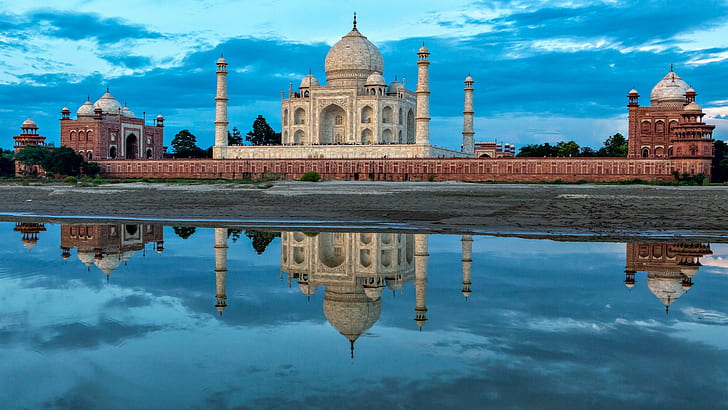
Timeless Beauty of the Taj Mahal: A Journey Into India’s Eternal Wonder
The Timeless Beauty of the Taj Mahal: A Journey Into India’s Eternal Wonder is one of the most powerful storylines in world tourism, and there is truly no better way to embody the essence of Indian heritage than through this enormous hymn to love and architectural excellence. The instant travelers enter into Agra and discover the Timeless Beauty of the Taj Mahal: A Journey Into India’s Eternal Wonder, they are immediately taken into a world of romance, history, craftsmanship, poetry, and imperial legacy. This essay gives a deep and expansive analysis of the Taj Mahal—its history, symbolism, artistic splendor, tourist experience, modern tourism significance, restoration attempts, surrounding attractions, cultural effect, and the powerful emotional resonance it leaves on millions every year.
A Sign Beyond Stone: The Taj Mahal's Emotional Power
The Taj Mahal is more than just a UNESCO-listed landmark; it is one of the most famous buildings in the world, a representation of Mughal architectural skill, and a universal symbol of love. The tomb, which was constructed by Emperor Shah Jahan in honor of his cherished queen Mumtaz Mahal, conveys a timeless, romantic story of devotion that has won people over for almost 400 years.
What makes the Taj Mahal so irresistibly captivating is its ability to stir emotion, regardless of culture, age, or background. The moment tourists view the brilliant white marble gleaming at dawn, or the warm amber hues of sunset reflected across the Yamuna River, they become part of an unwritten global community of fans. Beyond boundaries and eras, the tale, symmetry, beauty, and tranquility come together to create a profoundly human experience.
The Origin Story: A Love Etched in Marble
The construction of the Taj Mahal began in 1632, right after the death of Mumtaz Mahal, whom Shah Jahan admired profoundly. Mumtaz died suddenly while giving birth to their 14th child, leaving the emperor in unspeakable sadness. Determined to commemorate her memory, he envisioned a structure that would immortalize her beauty and the love they shared.
A Monument Defined by Devotion
- Mumtaz Mahal was Shah Jahan’s frequent companion, advisor, and confidante.
- Historical texts characterize her as clever, caring, and graceful.
- Shah Jahan’s sadness apparently changed his appearance, motivation, and even government for a period.
- The Taj Mahal was meant not simply as a tomb but as a symbol of paradise, evoking Islamic tales of beautiful gardens.
Millions of people are still moved by Shah Jahan's dedication, which resulted in a masterpiece.
Architectural Brilliance: A Harmony of Excellence
In terms of harmony, proportion, and geometry, the Taj Mahal's architectural style is still unmatched. From the majestic entrance to the reflecting pools, gardens, minarets, and marble carvings, every part of the complex has been painstakingly designed.
Important Architectural Wonders
- Symmetry: The utilization of flawless mirror-like balance is one of the most polished instances in global architecture.
- White Marble: Known for its purity and reflecting properties, it is quarried from Makrana, Rajasthan.
- Calligraphy: Passages from the Quran are carved into black marble gateways using subtle optical illusions.
- Pietra Dura Work: Embedded with precious and semi-precious stones such as lapis lazuli, turquoise, amethyst, and carnelian.
- Onion Dome: Rising 73 meters high, symbolizing cosmic ascent.
- Minarets: Slightly slanted outward to protect the tomb during earthquakes.
Each architectural choice has spiritual importance, which contributes to these characteristics' brilliance in addition to their aesthetic appeal.
The Taj Through Time: Survival, Restoration & Heritage Preservation
The Taj Mahal has witnessed the fall of empires, colonial control, freedom struggles, pollution problems, environmental changes, and millions of visitors over the course of nearly 400 years. Its durability stands as a monument to India's commitment to conserving cultural heritage.
Threats Faced Over Centuries
- Colonial Loot: British tourists in the 19th century removed diamonds and ornaments.
- Pollution Damage: Industrial smoke and excessive carbon emissions formerly caused the marble to yellow.
- Environmental Degradation: Acid rain, traffic, and the Yamuna River's decline posed hazards.
Preservation Strategies
- Strict buffer zones limiting industrial activities
- Regular mud-pack cleaning using “Fuller’s Earth”
- Limitations on traffic near the Taj
- Conservation monitoring by top specialists
Thanks to these efforts, the Taj Mahal continues to exude its ageless beauty, maintaining its standing as an architectural jewel.
Visiting the Taj Mahal Today: A Modern Tourism Experience
The Taj Mahal is experienced by contemporary tourists within a well-structured tourism framework that places an emphasis on visitor comfort, historical understanding, and environmental preservation.
Best Times to Visit
- Sunrise: The most enchanted moment with pink and golden hues.
- Sunset: Warm amber tones create a dreamlike atmosphere.
- Full Moon Nights: Special tickets allow magical nighttime viewing.
Visitor Tips
- Buy tickets in advance to avoid long queues.
- Guides enhance the experience with stories and history.
- Photography allowed outside; tripods are restricted.
- Wear comfortable shoes due to the large complex.
Tourists consistently describe the experience as transformational, serene, and deeply spiritual.
The Taj Mahal and Its Gardens: Paradise on Earth
The idea of Jannat, or paradise, is the foundation of the Taj complex. The four gardens divided by water channels symbolize the rivers of milk, honey, wine, and water mentioned in holy texts.
Highlights of the Landscape
- Reflecting Pool: Creates perfect mirror-like views of the Taj.
- Palm & Cypress Trees: Represent life, death, and eternity.
- Symmetrical Pathways: Demonstrate divine harmony.
Walking through these gardens is a relaxing experience, offering views from every angle.
The Yamuna River: The Hidden Backbone of the Taj
The Taj Mahal’s position along the Yamuna River was an intentional architectural decision.
Importance of the River
- Acts as a natural cooling system for the marble.
- Reflects moonlight, enhancing nighttime beauty.
- Helped transport construction materials during the Mughal era.
Though water levels have changed, restoration projects aim to revive the river’s vitality.
Uncovering Legends, Myths, and Unconfirmed Tales
There are numerous myths surrounding the Taj Mahal that enhance its allure.
Popular Legends
- Black Taj Mahal Myth: Shah Jahan planned a black replica across the river.
- Architect Amputation Myth: Claims artisans’ hands were cut off—historically inaccurate.
- Hollow Dome Theory: Echoes inside inspired tales about a hollow structure.
Though unverified, these stories enrich the Taj’s mystique.
Cultural Impact: How the Taj Shapes Global Imagination
The Taj Mahal influences global cinema, photography, literature, and art. It remains one of the world’s most photographed and celebrated monuments.
Why the World Is Captivated
- It blends love and loss into a universal emotional experience.
- Represents India’s grandeur and cultural richness.
- Its symmetry and beauty touch human artistic instincts.
The Taj Mahal deeply shapes global perception of Indian heritage.
Agra’s Cultural & Heritage Circuit: Beyond the Taj
Exploring the Taj Mahal opens the door to Agra’s rich cultural and historical treasures.
Nearby Attractions
- Agra Fort: UNESCO site and residence where Shah Jahan spent his final days.
- Baby Taj (Itimad-ud-Daulah): Precursor to the Taj’s architecture.
- Mehtab Bagh: Ideal sunset photography spot across the river.
- Fatehpur Sikri: Mughal architectural marvel built by Akbar.
These sites enhance the Taj experience with added depth.
Exploring the Contemporary Taj Mahal Circuit: Popular Tours
Travelers today can choose from various curated tours:
- Sunrise Tour
- Same-Day Agra Tour
- Agra Tour via Gatimaan Express
- Golden Triangle Circuit
- Full Moon Taj Mahal Tour
Each offers a unique perspective on India’s heritage.
Why the Taj Mahal Will Always Be India’s Eternal Wonder
The Taj Mahal is timeless because it blends emotion, creativity, history, architecture, symbolism, and spirituality. Its marble walls will continue reflecting the love story that inspired it and India’s dedication to cultural preservation.
The Taj Mahal is not simply a monument—it is a mood, a poem, a dream carved into stone, and a symbol representing India on the world stage.