Wildlife Safari Tours in India
May 12, 2026
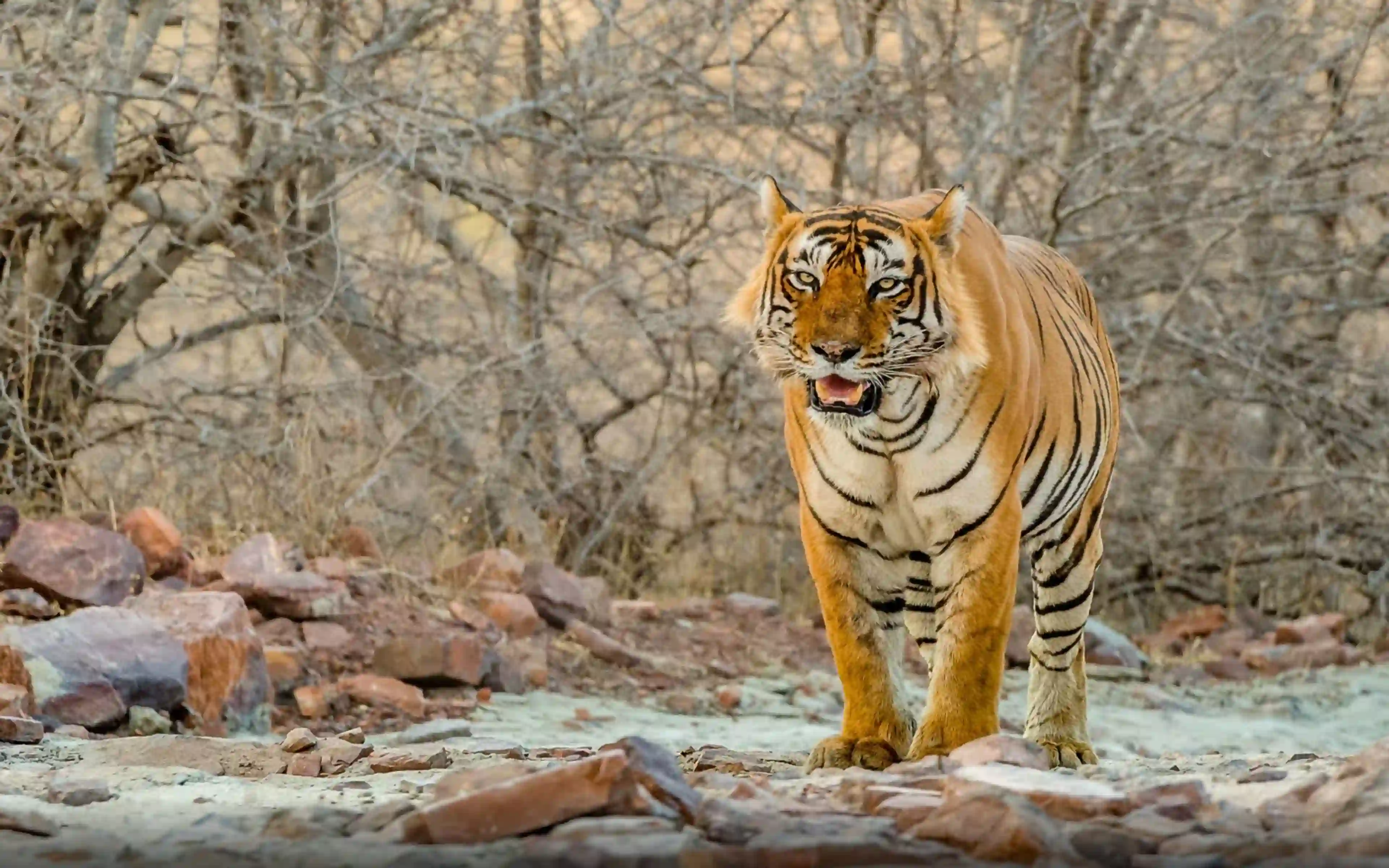
Wildlife Safari Tours in India: Discover Nature, Tigers, and Untamed Beauty
India is one of the world’s most fascinating destinations for wildlife tourism. With its vast forests, diverse ecosystems, majestic mountains, wetlands, grasslands, and rich biodiversity, the country offers extraordinary safari experiences for travelers who love nature and adventure. From the royal Bengal tiger roaming through dense jungles to rare one-horned rhinoceroses grazing in floodplains, India’s wildlife sanctuaries and national parks provide unforgettable encounters with some of the world’s most incredible animals.
For travelers seeking adventure combined with natural beauty, India’s wildlife safaris offer far more than simple sightseeing. They provide thrilling journeys into untouched landscapes filled with exotic birds, elusive predators, colorful flora, and authentic local culture. Visitors can explore national parks through jeep safaris, elephant rides, nature walks, boat safaris, and luxury jungle stays while learning about conservation and biodiversity.
The increasing popularity of Wildlife Safari Tours reflects the growing interest among global travelers in eco-tourism and immersive travel experiences. Modern tourists want meaningful journeys that connect them with nature while supporting conservation and responsible tourism practices.
India’s wildlife tourism industry has developed significantly in recent years, offering luxury safari lodges, expert naturalists, guided photography tours, and eco-friendly accommodations. These improvements have made safari travel more comfortable and accessible for both domestic and international visitors.
India’s Incredible Wildlife Diversity
India is home to a remarkable variety of wildlife species because of its unique geography and climate. The country contains tropical rainforests, dry deserts, mangroves, alpine mountains, wetlands, and dense jungles that support thousands of animal and bird species.
One of the main attractions of Indian wildlife tourism is the Bengal tiger. India holds the largest tiger population in the world, making it one of the best destinations for tiger safaris. Apart from tigers, travelers can spot leopards, elephants, rhinoceroses, sloth bears, crocodiles, wild dogs, deer, and countless bird species.
Birdwatchers also consider India a paradise because of its enormous avian diversity. Migratory birds from across the world visit India’s wetlands and forests, creating exceptional opportunities for wildlife photography and birdwatching.
Travelers choosing Wildlife Safari Tours often discover that India offers a perfect combination of adventure, photography, conservation, and cultural exploration.
Ranthambore National Park: The Land of Tigers
Ranthambore National Park in Rajasthan is one of India’s most famous safari destinations. Known for its tiger population and dramatic landscapes, the park attracts wildlife enthusiasts, photographers, and adventure travelers from around the world.
The park’s combination of ancient ruins, lakes, forests, and rocky hills creates a magical setting for wildlife safaris. Spotting a tiger walking through the ruins of Ranthambore Fort or resting near a lake is considered one of India’s most unforgettable safari experiences.
Jeep safaris and canter safaris allow visitors to explore different safari zones accompanied by experienced guides and naturalists. Apart from tigers, travelers can also see leopards, marsh crocodiles, hyenas, deer, monkeys, and numerous bird species.
Luxury jungle resorts around Ranthambore offer comfortable accommodations, traditional Rajasthani hospitality, and curated safari experiences for international travelers.
Ranthambore remains a major highlight of many Wildlife Safari Tours because it combines thrilling tiger sightings with Rajasthan’s royal charm and cultural heritage.
Jim Corbett National Park: India’s Oldest National Park
Jim Corbett National Park in Uttarakhand is India’s oldest national park and one of the country’s most beautiful wildlife destinations. Established in 1936, the park is famous for its rich biodiversity, dense forests, rivers, and tiger population.
Located in the Himalayan foothills, Jim Corbett offers a different safari atmosphere compared to central Indian parks. The landscape includes riverbanks, grasslands, sal forests, and mountain views that create breathtaking scenery for nature lovers.
Visitors can enjoy jeep safaris, birdwatching tours, river activities, and forest walks while exploring the park’s diverse ecosystem. The park is home to elephants, tigers, leopards, deer, crocodiles, and over 600 bird species.
Luxury resorts and eco-lodges around the park provide peaceful accommodations surrounded by nature. Travelers often combine wildlife experiences with nearby hill stations and cultural attractions in Uttarakhand.
Jim Corbett is an essential destination for travelers interested in Wildlife Safari Tours because it offers both adventure and tranquility in a stunning natural environment.
Kaziranga National Park: Home of the One-Horned Rhinoceros
Located in Assam in northeastern India, Kaziranga National Park is internationally famous for its population of endangered one-horned rhinoceroses. The park is a UNESCO World Heritage Site and one of the most unique wildlife destinations in Asia.
Kaziranga’s floodplains, grasslands, and wetlands support a rich ecosystem filled with rhinos, elephants, tigers, buffaloes, swamp deer, and exotic birds.
Elephant safaris are particularly popular in Kaziranga because they allow travelers to observe rhinos and wildlife from close distances while moving quietly through the grasslands.
The park’s scenic beauty and biodiversity attract wildlife photographers and nature enthusiasts from around the world. Boat rides and cultural experiences in nearby Assamese villages further enrich the travel experience.
Kaziranga showcases the incredible diversity of India’s safari destinations and remains an unforgettable stop on many Wildlife Safari Tours itineraries.
Bandhavgarh and Kanha National Parks
Madhya Pradesh is often called the heart of India’s wildlife tourism because it is home to several outstanding tiger reserves and national parks.
Bandhavgarh National Park is known for having one of the highest tiger densities in India. Travelers visiting the park have excellent chances of spotting tigers during safari drives. The park also features ancient caves, historical ruins, and scenic landscapes filled with forests and grasslands.
Kanha National Park is another world-famous safari destination that inspired Rudyard Kipling’s “The Jungle Book.” The park’s lush meadows, bamboo forests, and rich biodiversity create an enchanting safari experience.
Both parks offer luxury jungle lodges, photography tours, guided safaris, and conservation-focused travel experiences.
Wildlife enthusiasts often include these destinations in safari itineraries because they provide exceptional opportunities for tiger sightings and immersive jungle adventures.
Birdwatching and Wetland Safaris
India is one of the best countries in the world for birdwatching because of its wide range of habitats and migratory bird populations.
Bharatpur Bird Sanctuary, officially known as Keoladeo National Park, is one of India’s most famous birdwatching destinations. Thousands of migratory birds visit the sanctuary during winter, creating a paradise for photographers and nature lovers.
Chilika Lake in Odisha and the Sundarbans mangrove forests also attract birdwatchers and eco-tourists interested in unique ecosystems and rare wildlife species.
Birdwatching tours often include guided nature walks, boat safaris, and photography workshops that help travelers understand India’s rich avian diversity.
These peaceful nature experiences add variety and balance to traditional jungle safaris.
Luxury Wildlife Safari Experiences
Modern safari tourism in India combines adventure with luxury and comfort. International travelers can stay in elegant jungle lodges and eco-resorts offering premium amenities, gourmet dining, spa treatments, and personalized safari services.
Luxury safari camps often feature beautifully designed tents or cottages inspired by local architecture and natural surroundings. Guests can relax around campfires, enjoy traditional cultural performances, and dine under the stars after exciting safari adventures.
Private safari vehicles, expert naturalists, photography guides, and curated itineraries help create highly personalized experiences for travelers.
Luxury accommodations have made Wildlife Safari Tours more appealing to honeymooners, families, solo travelers, and photography enthusiasts seeking comfort alongside adventure.
Wildlife Photography in India
India is considered one of the world’s best destinations for wildlife photography because of its rich biodiversity and dramatic landscapes.
Professional photographers and enthusiasts visit Indian national parks to capture images of tigers, elephants, birds, leopards, and other wildlife species in their natural habitats.
Early morning and evening safaris provide ideal lighting conditions for photography while increasing the chances of spotting active wildlife.
Many safari lodges organize specialized photography tours led by experienced wildlife photographers who help travelers improve their photography skills while exploring the parks.
Wildlife photography tourism has become a major part of India’s growing eco-tourism industry.
Best Time for Wildlife Safaris in India
The ideal time for wildlife safaris in India varies depending on the region and park.
Most national parks are open between October and June. The summer months from March to June are considered best for tiger sightings because animals gather near water sources.
Winter months from November to February offer pleasant weather and excellent birdwatching opportunities, especially in wetland areas.
Monsoon seasons often bring lush greenery and dramatic landscapes, although many parks remain closed during heavy rains.
Travelers should plan their safari itineraries carefully according to the wildlife experiences they wish to enjoy.
Conservation and Responsible Tourism
Wildlife tourism plays an important role in supporting conservation efforts across India. National parks and tiger reserves help protect endangered species and preserve fragile ecosystems.
Responsible safari tourism also creates employment opportunities for local communities, guides, drivers, naturalists, and hospitality staff.
Many safari lodges follow eco-friendly practices such as waste reduction, water conservation, and sustainable construction methods to minimize environmental impact.
Travelers participating in safari adventures contribute directly to conservation initiatives and help raise awareness about wildlife protection and biodiversity preservation.
Responsible tourism ensures that future generations can continue to experience India’s extraordinary natural heritage.
Why India is Perfect for Wildlife Lovers
India stands out as one of the world’s top wildlife destinations because it offers extraordinary diversity, thrilling safari experiences, and rich cultural connections.
Travelers can witness majestic tigers in dense jungles, explore wetlands filled with migratory birds, ride elephants through grasslands, and experience luxury jungle hospitality all within one country.
The combination of wildlife, history, culture, and natural beauty creates safari experiences that feel deeply immersive and unforgettable.
India’s growing tourism infrastructure, experienced safari guides, conservation programs, and luxury accommodations have made wildlife travel more accessible and enjoyable than ever before.
The popularity of Wildlife Safari Tours continues to grow among international travelers who seek adventure, photography opportunities, eco-tourism experiences, and meaningful connections with nature.
Whether exploring the tiger reserves of Rajasthan, the forests of Madhya Pradesh, the wetlands of Assam, or the Himalayan foothills of Uttarakhand, travelers discover that India’s wilderness offers moments of wonder, excitement, and beauty that remain unforgettable for a lifetime.