Yes, you can visit Agra and Jaipur in two days, especially if you plan the route carefully and focus on the most important attractions.
Can I Visit Agra and Jaipur in Two Days?
Yes, you can visit Agra and Jaipur in two days, especially if you plan the route carefully and focus on the most important attractions. These two historic cities are among the most popular destinations in North India, and combining them into a short itinerary allows travelers to experience the Taj Mahal, Agra Fort, Amber Fort, City Palace, Hawa Mahal, and other highlights in a limited amount of time.
An Agra and Jaipur in Two Days itinerary is ideal for travelers with a short vacation, business travelers adding sightseeing to their trip, or visitors who want to experience two major destinations before continuing to another part of India. Although two days is not enough to explore every attraction in both cities, it can be enough to experience their most famous landmarks.
The key to making the trip successful is choosing the right transportation, starting early, booking accommodation in convenient locations, and avoiding an overly complicated sightseeing schedule. A private car with a professional driver can make the journey significantly easier because it provides flexibility between Agra and Jaipur.
Is Two Days Enough for Agra and Jaipur?
Two days can be enough for a highlights tour, but travelers should have realistic expectations. Agra and Jaipur each have numerous monuments, markets, museums, restaurants, and cultural experiences that could easily require several days.
With only two days, the goal should be to visit the most important attractions rather than attempting to see everything.
A practical itinerary can look like this:
- Day 1: Delhi to Agra, Taj Mahal, Agra Fort, and travel to Jaipur
- Day 2: Amber Fort, City Palace, Hawa Mahal, Jantar Mantar, and Jaipur departure
This schedule works particularly well for travelers starting from Delhi and returning to Delhi or continuing to another destination.
The route is efficient because Agra is located between Delhi and Jaipur, allowing travelers to create a natural circuit instead of making unnecessary detours.
Why Combine Agra and Jaipur?
Agra and Jaipur offer two very different travel experiences.
Agra is strongly associated with Mughal history and monumental architecture. The Taj Mahal is the city's biggest attraction, but visitors can also explore Agra Fort, Itmad-ud-Daulah, Mehtab Bagh, and other historical sites.
Jaipur, known as the Pink City, provides a completely different atmosphere. The city is famous for Rajput architecture, magnificent forts, royal palaces, traditional markets, colorful textiles, jewelry, handicrafts, and local cuisine.
Combining the destinations means you can experience Mughal and Rajput heritage during the same short trip.
For first-time visitors to India, this combination is particularly attractive because it introduces travelers to two important cultural centers without requiring a long vacation.
Day 1: Delhi to Agra and Jaipur
The first day should begin as early as possible. If you are traveling from Delhi, an early departure gives you enough time to explore Agra before continuing toward Jaipur.
A private car is often the most convenient option because you can travel directly from Delhi to Agra, keep your luggage with you, and continue toward Jaipur after sightseeing.
Depending on your departure point and traffic conditions, the journey can take several hours. Starting early is therefore important.
Once you reach Agra, head directly toward the Taj Mahal.
Visit the Taj Mahal in the Morning
The Taj Mahal should be your first major sightseeing stop in Agra.
The monument is one of the world's most famous examples of Mughal architecture. Built during the reign of Shah Jahan, it was created as a mausoleum for Mumtaz Mahal and is recognized for its white marble structure, symmetrical design, gardens, decorative details, and historical significance.
An early visit is particularly useful during a two-day itinerary because it allows you to complete one of the most important attractions before the day becomes too busy.
Take time to appreciate the architecture rather than rushing immediately through the complex. You can also plan some photography around the main monument, reflecting pools, gardens, and surrounding gateways.
Visitors should always check the current opening schedule and ticket information before traveling because monument schedules and entry arrangements can change.
Explore Agra Fort
After the Taj Mahal, continue to Agra Fort.
Located not far from the Taj Mahal, Agra Fort is one of the city's most important historical landmarks. The massive red sandstone complex contains palaces, courtyards, mosques, audience halls, and other structures connected with the Mughal rulers.
The fort provides a useful historical contrast to the Taj Mahal. While the Taj Mahal is primarily associated with a grand mausoleum, Agra Fort reveals more about the political and residential life of the Mughal dynasty.
Because you have limited time, focus on the principal courtyards, palaces, viewpoints, and architectural highlights rather than attempting to inspect every section of the complex.
Optional Agra Attractions
If your schedule allows, you can add one short attraction before leaving Agra.
Itmad-ud-Daulah, popularly known as the Baby Taj, is an interesting choice for travelers who appreciate detailed marble decoration and Mughal architecture.
Mehtab Bagh is another option, especially for photographers who want a different perspective of the Taj Mahal from across the Yamuna River.
However, it is important not to overload your first day. The main objective is to experience the Taj Mahal and Agra Fort before continuing toward Jaipur.
Travel from Agra to Jaipur
After completing your Agra sightseeing, begin the journey toward Jaipur.
A private car is particularly convenient for this part of the itinerary. You can leave Agra according to your schedule instead of waiting for a fixed public transport departure.
If you want to include Fatehpur Sikri, you can consider stopping there on the way, depending on your available time. The historic city was developed during Emperor Akbar's reign and contains impressive Mughal-era structures.
However, adding too many stops can make an already busy day tiring. Travelers who want a relaxed experience may prefer to travel directly to Jaipur after Agra sightseeing.
Once you arrive in Jaipur, check into your hotel and rest.
Staying somewhere with convenient access to the major sightseeing areas can save valuable time on the second day.
Day 2: Explore Jaipur
The second day should focus on Jaipur's most famous attractions.
Start early with Amber Fort, then continue toward the City Palace, Jantar Mantar, and Hawa Mahal. If time remains, you can explore a local market before departure.
This is where careful planning becomes especially important.
Start with Amber Fort
Amber Fort should be one of the first places to visit in Jaipur.
Located on a hill outside the central city area, Amber Fort is known for its impressive combination of Rajput and Mughal architectural influences. The complex contains courtyards, palaces, gateways, gardens, halls, and decorative interiors.
The fort also provides beautiful views of the surrounding hills and landscape.
Because Amber Fort is outside the central area, visiting it early can help you avoid spending too much time traveling later in the day.
Take some time to explore the major sections and enjoy the views before returning toward central Jaipur.
Visit the City Palace
After Amber Fort, continue to the City Palace.
The City Palace represents Jaipur's royal heritage and includes courtyards, museums, gateways, royal residences, and beautifully decorated architectural spaces.
Visitors interested in Rajasthan's history can learn about the city's former royal family, traditional clothing, weapons, art, manuscripts, and decorative objects.
The complex is also an excellent place to appreciate the combination of traditional Rajasthani and Mughal-inspired architectural elements.
Stop at Hawa Mahal
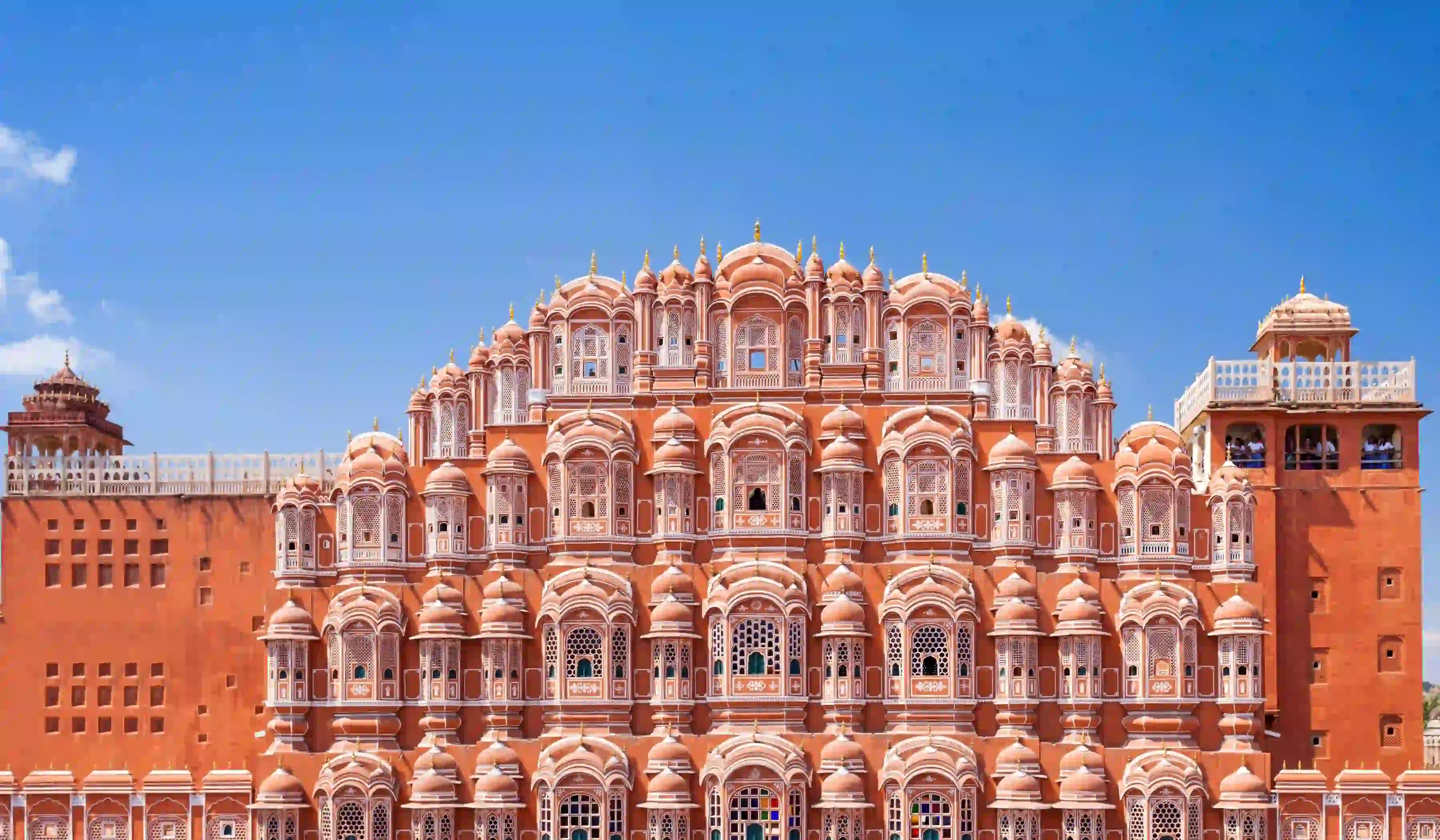
Hawa Mahal is one of Jaipur's most recognizable landmarks.
Its distinctive façade contains numerous small windows designed as part of the historic palace architecture. The structure is particularly attractive for photography.
You do not necessarily need a long visit here. Travelers with limited time can appreciate the exterior and surrounding streets before moving to the next attraction.
The area around Hawa Mahal also provides opportunities to see local shops and Jaipur's busy urban atmosphere.
Explore Jantar Mantar
Jantar Mantar is another major Jaipur attraction and can be included in a short itinerary.
The historic astronomical observatory contains large instruments designed for measuring time and studying celestial movements.
Even visitors who are not particularly interested in astronomy may find the scale and design of the instruments fascinating.
A guided visit can be useful because the purpose of the instruments is easier to understand when their historical and scientific background is explained.
Add Jaipur Shopping If Time Allows
If you finish sightseeing early enough, reserve some time for shopping.
Jaipur is famous for textiles, jewelry, handicrafts, traditional footwear, decorative items, blue pottery, and other local products.
Rather than trying to visit multiple markets, choose one convenient shopping area close to your route.
Remember to leave enough time for your onward journey. Traffic in Jaipur can vary, and you should avoid scheduling your departure immediately after your final sightseeing stop.
How to Make an Agra and Jaipur in Two Days Trip Comfortable
The biggest challenge of a two-day itinerary is managing travel time.
The best approach is to organize your route before arriving in India. Reserve accommodation in advance, decide which monuments are essential, and arrange transportation between destinations.
A private vehicle can be particularly useful because you can maintain your own schedule.
It also allows you to carry luggage with you while traveling between Agra and Jaipur, reducing the need to return to a hotel in Agra before continuing.
If you prefer trains, they can also be useful for certain sections of the journey. However, travelers should compare departure times, station locations, availability, and the amount of sightseeing time lost during transfers.
Should You Hire a Private Guide?
A local guide can make a short trip more informative.
Since you have limited time, a professional guide can help you understand the major historical details without spending excessive time reading signs or trying to navigate large monuments.
In Agra, a guide can explain the history and architecture of the Taj Mahal and Agra Fort. In Jaipur, a guide can provide background about Amber Fort, the City Palace, and other attractions.
If you prefer independent travel, you can also explore without a guide. However, make sure you understand the entry process and plan your route beforehand.
What Is the Best Time for This Two-Day Trip?
The cooler months between October and March are generally popular for visiting Agra and Jaipur.
The weather is often more comfortable for walking around large monuments and spending several hours outdoors.
Winter mornings can be cold, so travelers should carry a light jacket or warm layers. The afternoons can become more comfortable for sightseeing.
Summer can be extremely hot, particularly during the middle of the day. If traveling during warmer months, start sightseeing early, stay hydrated, and avoid spending unnecessary time outdoors during peak afternoon heat.
The monsoon season can bring occasional rain, so flexible planning can be helpful.
What Should You Pack?
Because this is a short trip, packing light is recommended.
Useful items include comfortable walking shoes, sunglasses, sunscreen, a hat, a reusable water bottle, a small day bag, a camera or smartphone, and weather-appropriate clothing.
Comfortable footwear is particularly important because both Agra and Jaipur involve walking through large historical complexes.
Carry only the essentials during monument visits and follow the current security and entry regulations at each attraction.
Can Families Visit Agra and Jaipur in Two Days?
Families can complete the trip in two days, but the itinerary should be planned carefully.
Children may enjoy the Taj Mahal, historic forts, colorful markets, and Jaipur's grand architecture. However, a packed schedule can become tiring for younger children.
Families may prefer adding an additional night if they want more relaxed sightseeing.
If you have only two days, consider reducing the number of optional attractions and focusing on the Taj Mahal, Agra Fort, Amber Fort, City Palace, and Hawa Mahal.
Is Two Days Enough for Couples?
Couples can also enjoy a two-day trip, particularly if they prefer a fast-paced city break.
The Taj Mahal provides a romantic setting, while Jaipur offers colorful architecture, rooftop dining, traditional markets, and beautiful palace complexes.
Couples who want a more relaxed experience should consider extending the journey to three or four days.
Two days is best treated as a highlights tour rather than a complete exploration of both cities.
Common Mistakes to Avoid
One of the biggest mistakes is trying to visit every attraction.
A short itinerary works best when you prioritize the major landmarks and leave enough time for transportation.
Another mistake is starting late. Delaying your departure from Delhi can reduce the amount of time available for Agra sightseeing and make the rest of the itinerary unnecessarily stressful.
Travelers should also avoid booking accommodation far from the main sightseeing areas when they have limited time.
Finally, do not forget to confirm monument schedules, transportation arrangements, hotel check-in details, and attraction tickets before the journey.
Why Choose a Private Car?
For a short Agra and Jaipur journey, a private car can provide several advantages.
You can depart early, stop for meals, take photographs, and adjust the itinerary according to your interests.
A professional driver familiar with the route can also help make the journey smoother.
Private transportation is particularly useful if you are traveling with family, carrying luggage, or want to continue from Jaipur to another destination after the tour.
Suggested Two-Day Itinerary
A simple schedule can help you understand how the trip fits together.
Day 1: Delhi – Agra – Jaipur
Begin early from Delhi and travel to Agra.
Visit the Taj Mahal first, followed by Agra Fort. If time allows, add Itmad-ud-Daulah or Fatehpur Sikri.
After sightseeing, continue to Jaipur and check into your hotel.
Day 2: Jaipur Sightseeing
Begin with Amber Fort.
Continue to the City Palace and Jantar Mantar. Visit Hawa Mahal and explore a nearby market if your schedule allows.
After lunch or final sightseeing, continue to the Jaipur airport, railway station, or your next destination.
Final Thoughts
An Agra and Jaipur in Two Days trip is possible and can be highly rewarding when the itinerary is planned efficiently. The key is to focus on the most important attractions rather than trying to experience every corner of both cities.
Agra gives you the opportunity to see the Taj Mahal and explore Mughal heritage, while Jaipur introduces you to Rajasthan's royal architecture, forts, palaces, markets, and colorful culture.
For travelers with limited vacation time, this two-day route provides an excellent introduction to two of India's most famous destinations. Starting early, using efficient transportation, booking convenient accommodation, and planning your sightseeing in advance can make the experience much more comfortable.
If you have additional time, extending the trip to three or four days is recommended. However, for a short holiday, a carefully organized two-day itinerary can successfully combine the highlights of Agra and Jaipur.
Frequently Asked Questions
Can I visit Agra and Jaipur in only two days?
Yes. You can visit the major highlights of both cities in two days if you start early and keep the itinerary focused. The Taj Mahal, Agra Fort, Amber Fort, City Palace, Hawa Mahal, and Jantar Mantar can form the core of the itinerary.
What is the best way to travel between Agra and Jaipur?
A private car is one of the most convenient options because it provides flexibility and allows you to travel directly between sightseeing destinations and hotels.
Should I visit Agra or Jaipur first?
If you are traveling from Delhi, visiting Agra first and then continuing to Jaipur is usually a logical route. It creates a convenient travel circuit and avoids unnecessary backtracking.
Can I include Fatehpur Sikri?
Yes, Fatehpur Sikri can be included if you have enough time. However, adding it may make the first day more demanding, so it is best treated as an optional stop.
Is two days enough for a relaxed vacation?
Two days is better suited to a highlights tour than a relaxed vacation. If you prefer slow sightseeing, shopping, cultural experiences, and leisurely meals, three or four days would be more comfortable.
What are the main attractions to see?
In Agra, prioritize the Taj Mahal and Agra Fort. In Jaipur, focus on Amber Fort, City Palace, Hawa Mahal, and Jantar Mantar. Additional attractions can be added depending on your available time.