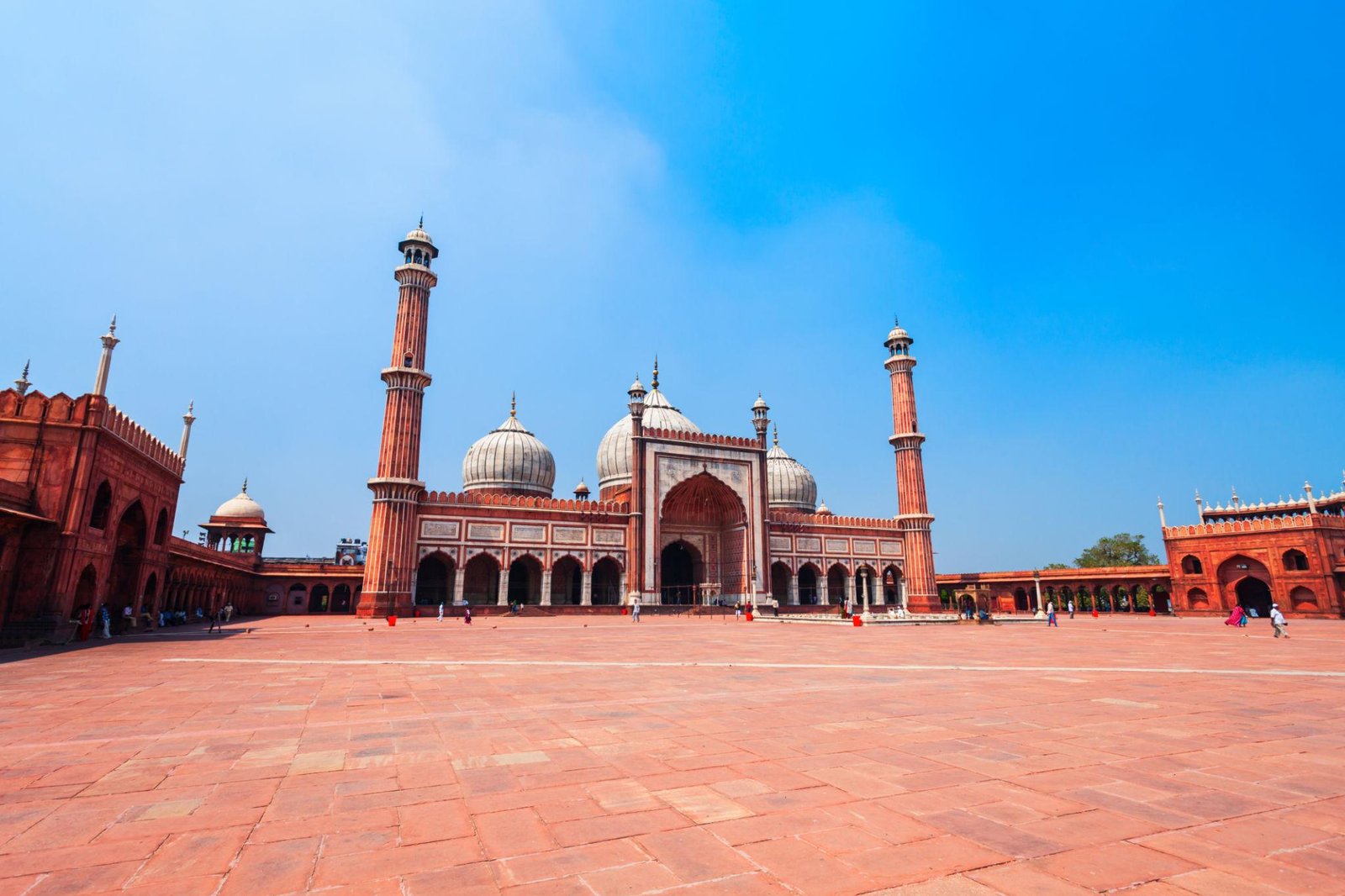
Discover Delhi beyond its famous monuments through the aroma of traditional street food, the sounds of bustling bazaars, the beauty of Mughal architecture, colourful local markets and the vibrant culture of India's capital. Delhi is a city that cannot simply be explored by looking at its monuments. It is a destination that must be experienced through all five senses. The aroma of freshly prepared parathas drifting through the narrow lanes of Old Delhi, the sound of cycle rickshaws navigating crowded markets, the intricate carvings of ancient Mughal architecture, the colourful displays of traditional handicrafts and the flavours of authentic Indian cuisine all come together to create an unforgettable travel experience. As one of India's oldest continuously inhabited urban centres, Delhi has witnessed the rise and fall of several dynasties. From the historic lanes of Shahjahanabad to the grand boulevards of New Delhi, the capital reflects centuries of history, cultural exchange and modern development. For international visitors, Delhi offers an extraordinary introduction to India. It is a place where ancient traditions exist alongside modern lifestyles, where street food stalls operate beside historic monuments and where every neighbourhood has its own personality. If you want to understand the real character of India's capital, put aside the traditional sightseeing checklist for a moment. Explore Delhi through its five senses and discover the experiences that make this city truly special.

1. Taste: Discover the Flavours of Delhi
Food is one of the most exciting ways to understand Delhi's culture. The city's culinary traditions reflect influences from Mughal kitchens, Punjabi households, traditional North Indian cooking and generations of street-food vendors.
From rich Mughlai curries to crispy snacks and sweet desserts, Delhi offers something for every food lover.
Explore the Famous Street Food of Old Delhi
Old Delhi is one of the best places to begin your culinary journey. The historic neighbourhood of Chandni Chowk is famous for its traditional food shops, busy streets and generations-old recipes.
Walk through its narrow lanes and discover the irresistible aroma of freshly fried snacks, sizzling kebabs, sweet jalebis and traditional breads.
Some popular foods to try include:
Paratha: A traditional Indian flatbread prepared with different fillings and served with chutneys, pickles and curries.
Chole Bhature: A popular North Indian combination of spicy chickpea curry and deep-fried bread.
Dahi Bhalla: Soft lentil dumplings served with yoghurt, sweet chutney and spices.
Jalebi: A traditional Indian sweet made from fermented batter, deep-fried and soaked in sugar syrup.
Aloo Tikki: Crispy potato patties served with chutneys and aromatic spices.
The food experience in Old Delhi is not only about eating. It is also about watching traditional cooking methods, interacting with local vendors and discovering recipes that have been passed down through generations.
Experience the Richness of Mughlai Cuisine
Delhi's culinary identity is strongly connected with its Mughal heritage.
Mughlai cuisine is known for its aromatic spices, slow-cooked meat dishes, rich gravies and distinctive cooking techniques. Dishes such as butter chicken, kebabs, biryani and korma have become popular among visitors exploring the city's food culture.
The areas around Jama Masjid and Old Delhi offer opportunities to discover traditional Mughlai food.
For travellers interested in understanding the relationship between history and cuisine, tasting these dishes provides a fascinating connection to the city's past.
Discover Delhi's Traditional Sweets and Drinks
No culinary journey through Delhi is complete without trying its traditional desserts and refreshing drinks.
Popular choices include:
Kulfi: A traditional Indian frozen dessert available in flavours such as pistachio, mango and saffron.
Gulab Jamun: Soft milk-based dumplings soaked in sugar syrup.
Rabri: Thickened sweetened milk often flavoured with cardamom and nuts.
Lassi: A refreshing yoghurt-based drink that can be sweet or salty.
Masala Chai: Indian tea brewed with milk, tea leaves and aromatic spices.
2. Hear: Experience the Sounds of Delhi
Delhi is a city filled with sounds. From the calls of street vendors to the ringing bells of temples and the peaceful recitation of prayers at religious sites, the city's soundscape reflects its cultural diversity.
Listen to the Energy of Chandni Chowk
The narrow lanes of Chandni Chowk offer one of the most distinctive sound experiences in Delhi.
As you walk through the market, you will hear vendors announcing their products, shopkeepers negotiating with customers, cycle rickshaw bells ringing and conversations taking place in several languages.
The streets can be crowded and energetic, but this lively atmosphere is an important part of Old Delhi's identity.
Take a slow walk through the market and observe how daily life unfolds around its historic buildings and traditional shops.

Experience the Spiritual Sounds of Jama Masjid
The magnificent Jama Masjid is one of the most important religious landmarks in Delhi.
Built during the reign of Mughal Emperor Shah Jahan and completed in 1656, the mosque represents the architectural and cultural heritage of the Mughal period.
The atmosphere around the mosque changes throughout the day. Visitors can experience the sound of prayers, the movement of worshippers and the lively activity of the surrounding neighbourhood.
It offers a valuable opportunity to understand the religious traditions that have shaped Old Delhi for centuries.
Visitors should respect prayer times, dress modestly and follow the mosque's visitor regulations.
Discover the Spiritual Atmosphere of Sikh Temples
Another memorable experience is visiting Gurudwara Bangla Sahib, one of Delhi's most recognised Sikh religious sites.
The peaceful atmosphere, devotional music and community service create a completely different experience from the busy streets outside.
Visitors can learn about Sikh traditions, observe the prayer hall and, where permitted, experience the community kitchen known as Langar, where free meals are served to people regardless of their background.
The sound of devotional hymns provides a peaceful contrast to the constant activity of the capital.
3. See: Discover Delhi's Architectural Beauty and Historical Landmarks
Delhi is an open-air museum of architecture. Its historical buildings represent different periods, including the Delhi Sultanate, Mughal Empire and British colonial administration.
For travellers interested in history and photography, the city offers remarkable architectural variety.
Explore the Grandeur of Red Fort
The Red Fort is one of Delhi's most iconic historical landmarks.
Constructed under Emperor Shah Jahan and completed in 1648, the fort served as the principal residence of Mughal emperors for generations.
Its massive red sandstone walls, impressive gateways, royal halls and gardens reflect the architectural ambitions of the Mughal Empire.
Walking through the complex allows visitors to discover the political and cultural importance of Old Delhi during the Mughal period.
Admire the Beauty of Humayun's Tomb
Humayun's Tomb is among the finest examples of early Mughal architecture in India.
Built in the sixteenth century, the monument is surrounded by beautifully arranged gardens and features an impressive combination of red sandstone and white marble.
Its symmetrical design, Persian-inspired garden layout and elegant dome influenced later Mughal architecture, including the design traditions associated with the Taj Mahal.
It is an excellent destination for photography, architecture enthusiasts and travellers interested in the development of Mughal design.
Discover the Magnificent Qutub Minar
The Qutub Minar is one of Delhi's most recognisable historical structures.
Located in the Mehrauli archaeological area, this towering minaret is part of a larger complex containing several historic structures and architectural remains.
Its detailed stone carvings, inscriptions and impressive height make it an important destination for visitors interested in medieval Indian history.
Experience the Grandeur of India Gate and Central Delhi
India Gate is a prominent war memorial located in the heart of New Delhi.
Surrounded by open spaces and wide roads, the monument provides a different architectural experience compared with the narrow streets and historic buildings of Old Delhi.
The surrounding area is especially attractive during the evening, when the monument is illuminated and visitors gather around the lawns.
Visit the Lotus Temple
The Lotus Temple is known for its distinctive flower-inspired architectural design.
Its white marble petals create a striking appearance, making it one of Delhi's most recognisable modern landmarks.
The temple is a Bahá'í House of Worship and welcomes visitors from different religious backgrounds. Its peaceful prayer hall encourages silence and personal reflection.
4. Smell: Experience the Aromas of Delhi's Markets and Kitchens
One of the most memorable things about Delhi is its extraordinary range of aromas.
The city smells different in every neighbourhood. In Old Delhi, the air carries the fragrance of freshly prepared food, roasted spices and traditional sweets. In its markets, visitors encounter the earthy aromas of herbs, flowers, incense and perfumes.
Explore the Spice Markets of Khari Baoli
Khari Baoli, located near Chandni Chowk, is one of Asia's most famous wholesale spice markets.
Walking through the market is a memorable sensory experience. Large sacks of colourful spices, dried fruits, nuts and herbs fill the shops, while their fragrances spread through the narrow lanes.
Visitors can discover:
Turmeric and red chilli powder.
Cardamom, cinnamon and cloves.
Dried herbs and traditional spice blends.
Saffron and aromatic ingredients.
Nuts, raisins and dried fruits.
The market offers a fascinating insight into India's long-standing spice trade and culinary traditions.
Discover the Fragrance of Traditional Flower Markets
Delhi's flower markets offer another beautiful sensory experience.
Fresh marigolds, roses, jasmine and other seasonal flowers are used for religious ceremonies, celebrations, weddings and everyday decorations.
The colourful arrangements and natural fragrances provide an interesting contrast to the busy commercial markets nearby.
Experience the Aroma of Indian Tea and Coffee
A visit to Delhi would not be complete without stopping at a traditional tea stall.
The smell of freshly brewed masala chai, combined with cardamom, ginger and other spices, is part of everyday life in many neighbourhoods.
Sit for a few minutes, enjoy a cup of tea and observe the local conversations around you. Sometimes these small experiences reveal more about a destination than visiting another famous monument.
5. Touch: Connect with Delhi's Traditional Crafts and Local Life
Touch provides another way to understand Delhi's cultural identity.
From handwoven fabrics and embroidered textiles to traditional pottery and handmade souvenirs, the city's markets offer opportunities to discover India's rich craft traditions.
Explore the Traditional Handicrafts of Dilli Haat
Dilli Haat is a popular cultural marketplace where visitors can discover handicrafts, textiles, regional products and traditional foods from different parts of India.
Unlike ordinary shopping centres, the market brings together artisans and products representing different Indian states.
Visitors can explore:
Handwoven textiles and traditional clothing.
Wooden carvings and decorative objects.
Handmade jewellery.
Traditional pottery and ceramics.
Regional handicrafts and souvenirs.
The marketplace is particularly interesting for travellers who want to understand the diversity of Indian craftsmanship.
Discover Traditional Textiles and Fabrics
Delhi's markets offer a fascinating introduction to India's textile heritage.
Visitors can browse embroidered fabrics, cotton garments, silk products, scarves and traditional clothing.
Markets such as Janpath and Central Cottage Industries Emporium provide opportunities to explore Indian textiles and handicrafts.
When shopping, take time to understand the materials, patterns and regional traditions behind the products.
Experience the Local Shopping Culture
Shopping in Delhi is more than purchasing souvenirs. It is also an opportunity to interact with local shopkeepers, discover traditional products and experience the city's lively commercial culture.
Whether you are browsing colourful street stalls or exploring established handicraft stores, each market provides a different perspective on everyday life in the capital.
6. Beyond the Five Senses: Experience Delhi's Cultural Diversity
Although food, sounds, architecture, aromas and crafts provide a wonderful introduction to Delhi, the city's real character becomes clearer when you explore its cultural diversity.
Discover the Contrasts Between Old Delhi and New Delhi
Old Delhi and New Delhi represent two very different sides of the same capital.
Old Delhi is known for its narrow lanes, historic buildings, traditional markets and Mughal heritage.
New Delhi, on the other hand, features broad avenues, colonial-era architecture, modern shopping districts, government buildings and landscaped gardens.
Exploring both areas helps visitors understand how Delhi has developed through different historical periods.
Experience the Colours of Delhi's Festivals
Delhi celebrates festivals throughout the year, reflecting the traditions of its diverse communities.
Some of the most important celebrations include:
Diwali: The festival of lights, celebrated with decorative lamps, sweets and family gatherings.
Holi: The festival of colours, known for music, festive gatherings and colourful celebrations.
Eid: Celebrated with prayers, traditional food and family gatherings.
Gurpurab: An important Sikh celebration associated with the lives and teachings of Sikh Gurus.
Durga Puja: Celebrated with beautifully decorated pandals, cultural performances and traditional rituals.
If your visit coincides with a major festival, you may have an opportunity to experience a particularly memorable side of Delhi.
7. Best Places to Experience Delhi Through Five Senses
Here are some places that you can include in your sightseeing itinerary to experience different aspects of the city.
Destination Sensory experience What to discover Chandni Chowk Taste, smell, hear Street food and traditional markets Jama Masjid See, hear Mughal architecture and spiritual heritage Khari Baoli Smell, see Traditional spice trading Humayun's Tomb See, touch Mughal architecture and garden landscapes Gurudwara Bangla Sahib Hear, see, taste Devotional music and Langar Dilli Haat Touch, see, taste Handicrafts and regional food Red Fort See, hear Mughal history and architecture Lotus Temple See, hear Modern architecture and peaceful surroundings India Gate See Colonial-era architecture and public spaces 8. Suggested One-Day Delhi Five Senses Itinerary
If you have only one day in Delhi, you can still experience several aspects of the city's history, cuisine and culture by following a carefully planned sightseeing route.
Morning: Discover Old Delhi
8:00 AM – Jama Masjid
Begin your day at Jama Masjid and explore its impressive Mughal architecture and historical surroundings.
9:00 AM – Chandni Chowk
Walk through the famous market and discover its traditional shops, local vendors and historic streets.
10:00 AM – Old Delhi Food Experience
Enjoy a traditional breakfast or sample local snacks such as parathas, jalebis and other popular street foods. Choose clean, busy food establishments and drink sealed bottled water.
11:00 AM – Khari Baoli
Explore the spice market and discover the colourful ingredients that form an important part of Indian cuisine.
Afternoon: Discover Mughal Heritage
12:30 PM – Red Fort
Visit the historic Red Fort and explore its impressive architecture and Mughal history. Allow sufficient time for entry and sightseeing.
2:00 PM – Lunch
Enjoy traditional North Indian or Mughlai cuisine at a restaurant.
3:00 PM – Humayun's Tomb
Continue towards Humayun's Tomb and explore its gardens, architecture and historical significance.
Evening: Experience Modern Delhi
4:30 PM – India Gate
Enjoy the surroundings of this famous war memorial and experience the wide avenues of New Delhi.
5:30 PM – Gurudwara Bangla Sahib or Connaught Place
Choose a peaceful cultural visit to Gurudwara Bangla Sahib or spend some time exploring the shops and cafés of Connaught Place.
6:30 PM – End Your Delhi Experience
Finish your day with a traditional Indian dinner or a cup of masala chai before returning to your hotel.
Note: This is an ambitious sightseeing route. Monument opening hours, weekly closures, prayer schedules, traffic and security arrangements can affect the order and duration of visits. Plan the Red Fort and other ticketed attractions according to their current visitor timings.
9. Best Time to Experience Delhi
Delhi can be explored throughout the year, but the weather plays an important role in planning outdoor sightseeing.
October to March – Pleasant sightseeing season
This is generally the most comfortable period for exploring Delhi's monuments, gardens and traditional markets. Winter mornings can sometimes be foggy, so allow flexibility in your plans.
April to June – Summer season
Temperatures can become very high, particularly during May and June. Plan outdoor activities early in the morning and later in the evening.
July to September – Monsoon season
The monsoon brings occasional rainfall and greenery to the city. However, humidity, showers and traffic conditions may affect sightseeing.
For a comfortable cultural experience, October to March is generally a suitable period for international travellers.
10. Practical Travel Tips for Exploring Delhi
To make the most of your experience, keep the following suggestions in mind:
Wear comfortable footwear: Many historic areas involve walking through uneven pathways and crowded market streets.
Dress appropriately: Wear modest clothing when visiting religious sites.
Carry some cash: Smaller food stalls and local shops may not accept international cards.
Stay hydrated: Carry drinking water, especially during warmer months.
Choose food carefully: Prefer busy, hygienic food establishments and freshly prepared dishes.
Respect local customs: Follow photography rules and religious-site instructions.
Plan around traffic: Delhi is a large city, and travelling between attractions can take longer than expected.
Use a local guide: A knowledgeable guide can help explain the history, food traditions and cultural significance of different neighbourhoods.
Final Thoughts: Discover the Real Spirit of Delhi
Delhi is not simply a destination of famous monuments and historical landmarks. It is a city that tells its story through food, architecture, sounds, fragrances, craftsmanship and everyday interactions.
From enjoying a traditional paratha in Chandni Chowk to listening to devotional music at Gurudwara Bangla Sahib, from exploring the magnificent Mughal architecture of Humayun's Tomb to discovering the colourful spices of Khari Baoli, every experience reveals another layer of the capital's identity.
For international travellers, exploring Delhi through five senses offers a deeper understanding of Indian culture and daily life.
So, on your next visit, do not just look at Delhi. Taste its flavours, listen to its stories, appreciate its architecture, discover its aromas and connect with its people.
Ready to discover Delhi beyond the ordinary sightseeing route? Explore the city's fascinating history, local markets and cultural experiences with a guided Delhi city tour.
Frequently Asked Questions (FAQs)
1. What makes Delhi unique for international tourists?
Delhi combines centuries of history, Mughal architecture, colonial landmarks, traditional markets, diverse religious sites and modern urban experiences. This cultural variety makes it an interesting introduction to India.
2. What are the best places to experience Old Delhi's food culture?
Chandni Chowk, the lanes around Jama Masjid and other traditional food markets are popular places to discover Delhi's street food and Mughlai cuisine.
3. Which markets should I visit to experience Delhi's local culture?
Chandni Chowk, Khari Baoli, Janpath and Dilli Haat are interesting destinations for exploring traditional shopping, spices, handicrafts, textiles and regional products.
4. Can I explore Delhi through five senses in one day?
Yes. A carefully organised one-day itinerary can include Old Delhi's markets, Mughal monuments, traditional food experiences and important cultural landmarks.
5. What are the best historical places to visit in Delhi?
Some of the most popular historical attractions include the Red Fort, Humayun's Tomb, Qutub Minar, Jama Masjid and India Gate.
6. Is Delhi suitable for food lovers?
Absolutely. Delhi offers a wide range of culinary experiences, including street food, Mughlai dishes, traditional North Indian meals, regional specialities and Indian sweets.
7. What is the best way to explore Delhi's cultural attractions?
A combination of walking tours, private car transfers and guided sightseeing is a convenient way to explore different neighbourhoods and understand their historical importance.
8. Is a local guide recommended for exploring Old Delhi?
Yes. A local guide can help visitors navigate narrow streets, discover traditional food shops and understand the history and culture of Old Delhi.
9. What is the best time to visit Delhi?
October to March is generally considered the most comfortable season for sightseeing because temperatures are usually more suitable for outdoor activities.
10. Can I include Delhi in a Golden Triangle tour?
Yes. Delhi is the starting point of the popular Golden Triangle route, which connects Delhi, Agra and Jaipur. Travellers can explore the capital before continuing to the Taj Mahal and the royal heritage of Rajasthan.