Delhi is a city where India's fascinating past meets its energetic present. One moment, you can be walking through narrow lanes filled
How Can You Explore Old Delhi and New Delhi in One Day?
Delhi is a city where India's fascinating past meets its energetic present. One moment, you can be walking through narrow lanes filled with traditional food stalls, historic mosques, and bustling markets; the next, you can find yourself admiring grand government buildings, spacious boulevards, and impressive monuments surrounded by landscaped gardens. For travelers visiting India's capital for the first time, experiencing both sides of the city in a single day can be an unforgettable adventure.
But how can you make the most of your limited time without rushing between attractions or missing the places that make Delhi special? The secret is to start early, organize your route geographically, and balance historical sightseeing with local experiences. With a little planning, Old Delhi and New Delhi in One Day can be an exciting introduction to India's culture, architecture, cuisine, and everyday life.
Whether you are visiting Delhi during a Golden Triangle tour, planning a short stopover, or exploring the capital before traveling to Agra and Jaipur, this guide will help you plan a practical one-day itinerary. From the historic lanes of Chandni Chowk to the magnificent India Gate and the peaceful surroundings of Humayun's Tomb, you can discover the city's contrasting personalities without turning your trip into a race against the clock.
Why Should You Explore Both Old Delhi and New Delhi?
Delhi is not simply a collection of monuments. It is a living story of different dynasties, architectural traditions, political changes, and cultural influences that have shaped India over centuries. Old Delhi, historically associated with Shahjahanabad, preserves much of the atmosphere of the Mughal-era city, while New Delhi is known for its planned avenues, colonial-era architecture, diplomatic districts, and modern urban life.
Exploring both areas gives you a more complete understanding of the capital. In Old Delhi, you can experience crowded bazaars, traditional street food, historic religious buildings, and neighborhoods where daily life unfolds in lively, sometimes chaotic surroundings. New Delhi offers a different rhythm, with wider roads, green spaces, monumental architecture, and several important landmarks connected with India's national identity.
The contrast is part of the experience. You might begin your morning listening to the sounds of market vendors and cycle rickshaws before spending your afternoon walking through a peaceful heritage complex. You can taste a traditional breakfast, admire centuries-old craftsmanship, and finish the day with photographs of a grand monument illuminated by the afternoon sun.
A well-planned Old Delhi and New Delhi in One Day itinerary is particularly useful for travelers with only a short amount of time in the capital. Rather than attempting to visit every attraction, focus on a handful of memorable places and allow enough time to appreciate each one. This approach creates a more rewarding journey and leaves room for the unexpected discoveries that make travel exciting.
Start Your Morning in Old Delhi
1. Visit the Red Fort and Discover Mughal History
Begin your sightseeing day around the historic Red Fort, one of Delhi's most recognizable landmarks. Built during the reign of Mughal emperor Shah Jahan in the 17th century, this impressive complex once served as the main residence of Mughal rulers. Its red sandstone walls, monumental gateways, and historic structures offer a glimpse into the political and cultural life of an empire that influenced much of the Indian subcontinent. The fort is also closely associated with modern India's independence celebrations, as the Prime Minister addresses the nation here every Independence Day.
Allow around 60–90 minutes if you want to explore the main areas inside the complex, although visitors interested in architecture and history may prefer more time. The Red Fort is generally listed as open from 9:30 a.m. to 4:30 p.m. and closed on Mondays, according to India's official tourism portal. Check the latest entry arrangements before your visit, especially around public holidays and national events.
If your priority is a relaxed morning in the old city, you can admire the fort's exterior and move on to the nearby market district. This is a practical alternative when opening hours, crowds, or your arrival time make a full interior visit difficult. Remember that Old Delhi's streets become increasingly busy as the day progresses, so an early start can make your experience much more comfortable.
2. Explore Chandni Chowk and Its Traditional Markets
After visiting the Red Fort, head into Chandni Chowk, the historic commercial heart of Old Delhi. Established during the Mughal period, this lively market is known for its narrow lanes, traditional shops, food vendors, and long-standing trading communities. Each street has its own personality: some specialize in textiles, some sell jewelry and wedding accessories, while others are famous for spices, books, sweets, and household goods. Even if shopping is not on your agenda, walking through the market offers a fascinating look at how Delhi's historic neighborhoods continue to function in modern life.
The best way to explore Chandni Chowk is on foot or by taking a short cycle-rickshaw ride through suitable sections. Traffic restrictions and pedestrianized stretches can affect where vehicles can travel, so avoid expecting a car to drop you directly at every shop. Look for the colorful displays, listen to vendors calling out their offers, and notice the old facades above the busy storefronts. The contrast between historic architecture and contemporary commerce is part of what makes this neighborhood so memorable.
Delhi Tourism describes Chandni Chowk as both a major shopping destination and a favorite place for local food, including stuffed parathas, kachoris, chole bhature, and aloo tikki. Market hours vary by shop, and some outlets close on Sundays, so plan accordingly.
You do not need to visit every lane. Spend approximately 45–60 minutes exploring a manageable section, browsing local products, and taking photographs where appropriate. Keep your belongings secure, carry small amounts of cash for minor purchases, and wear comfortable footwear. The area can be crowded, but that energy is precisely what gives Chandni Chowk its distinctive character.
3. See Jama Masjid, One of India's Great Historic Mosques
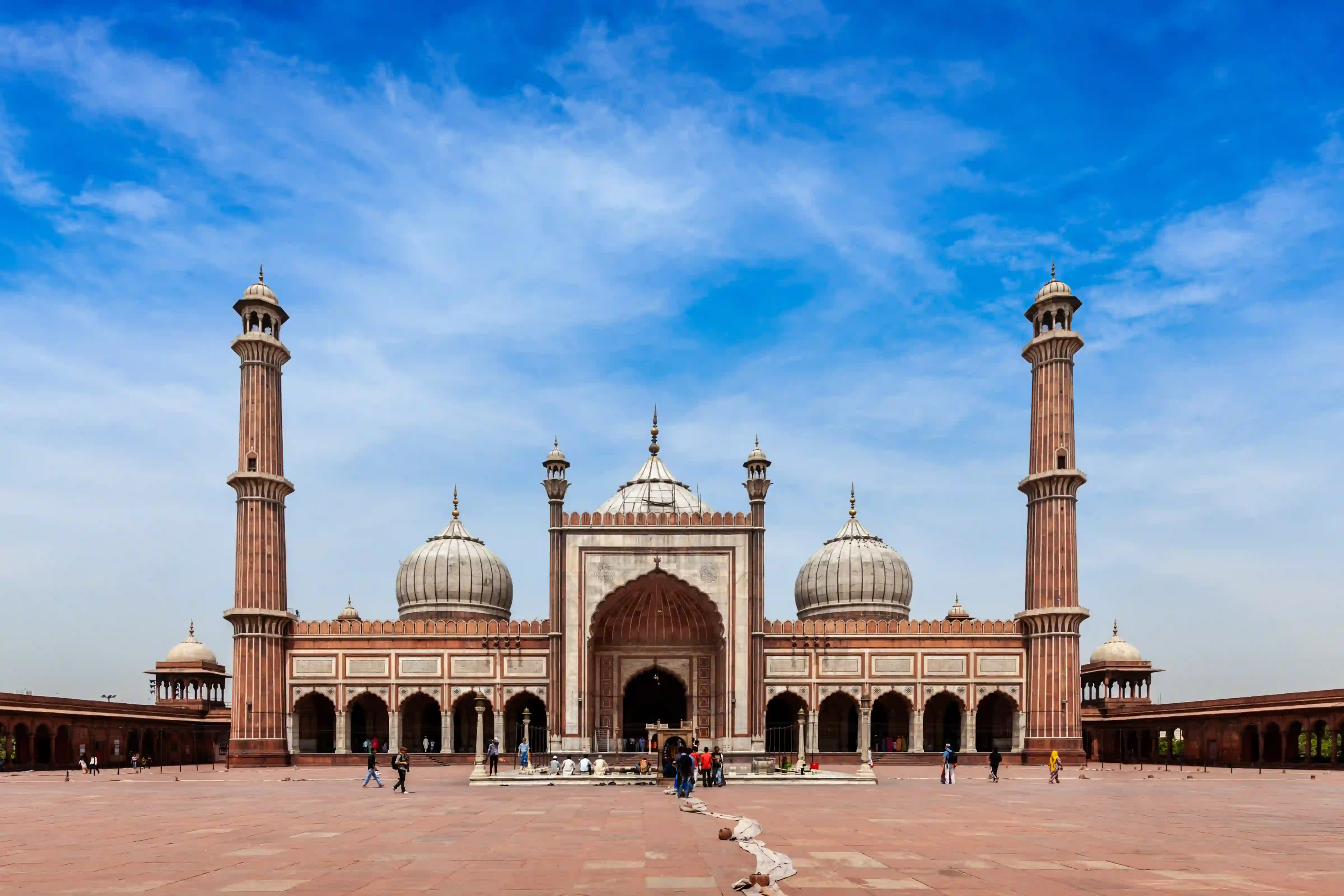
Continue toward Jama Masjid, one of the most important architectural landmarks in Old Delhi. Commissioned by Shah Jahan and completed in the 17th century, the mosque is famous for its expansive courtyard, impressive gateways, red sandstone construction, and white marble details. Its elevated position and monumental scale make it a striking example of Mughal religious architecture. From outside, you can appreciate the symmetry of the structure and its prominent minarets; inside, the atmosphere can feel remarkably different from the noisy streets nearby.
Plan approximately 30–45 minutes for a respectful visit, subject to access arrangements and prayer schedules. Visitors should dress modestly, follow the mosque's rules, and remove their shoes where required. Photography and entry conditions may vary, so confirm the current arrangements at the entrance rather than relying entirely on older travel information. The mosque remains an active place of worship, meaning that religious activities take priority over sightseeing.
For many travelers, Jama Masjid is an excellent place to understand the religious and cultural diversity that has shaped Delhi. The surrounding streets also offer opportunities to observe traditional eateries and neighborhood life, although it is better to save a longer food stop for a time when you can sit down without watching the clock.
If you enjoy architectural details, look closely at the stonework, arches, domes, and proportions of the courtyard. A guide can explain how the mosque relates to the development of Shahjahanabad and the wider Mughal city. Official tourism information provides visitor details, but access can differ around prayer times and special religious occasions.
Enjoy an Authentic Delhi Lunch
Food is an essential part of discovering Delhi, and lunchtime offers the perfect opportunity to experience the capital's celebrated culinary traditions. After exploring the historic lanes, choose a clean, well-reviewed restaurant or established eatery serving North Indian or Mughlai dishes. Depending on your preferences, you might try stuffed parathas, chole bhature, kebabs, dal, seasonal vegetables, or a traditional thali. If you prefer lighter food, fresh fruit from a hygienic establishment, cooked snacks, or a simple vegetarian meal can also be a good option.
Chandni Chowk and its surrounding neighborhoods are particularly well known for their food culture. Many eateries have served local customers for generations, and the recipes reflect a blend of regional influences. Rather than trying to sample everything, select one main dish and perhaps a small dessert. This gives you a genuine taste of the city without spending too much of your sightseeing time waiting for food.
For international travelers, a few simple precautions make the experience more comfortable. Choose places with high customer turnover, eat freshly prepared hot dishes, and drink sealed bottled water if you are uncertain about local water quality. If you have dietary restrictions, communicate them clearly and ask about ingredients before ordering. Street food can be tempting, but hygiene should matter more than popularity.
Aim to finish lunch within 45–60 minutes so that you can travel toward New Delhi in the early afternoon. The journey time depends on traffic, road closures, and your exact starting point. This is one reason to avoid adding too many stops in Old Delhi: the goal is to enjoy the city, not simply tick attractions off a list.
Explore New Delhi in the Afternoon
4. Admire India Gate and the Grand Central Avenues
Once you have experienced Old Delhi's lively markets and historic streets, travel toward India Gate to discover the planned avenues and monumental architecture of New Delhi. India Gate is a prominent war memorial designed by Edwin Lutyens and dedicated to the memory of soldiers who died in war. Its imposing sandstone arch stands amid broad roads and landscaped lawns, creating a striking contrast with the dense neighborhoods you visited earlier.
The monument is an important stop for both history enthusiasts and casual travelers. Take time to appreciate its scale, read the inscriptions where accessible, and observe the surrounding ceremonial landscape. During pleasant weather, the lawns and nearby public spaces can be inviting for a short walk. The atmosphere is generally more open than the narrow lanes of Old Delhi, making this a good place to pause and enjoy a different side of the capital.
India Gate is accessible throughout the day, although some surrounding areas may have restrictions, and security arrangements can change. The official Delhi Tourism website lists it as open 24 hours, while advising that certain areas may not be accessible after dark.
Allow around 30–45 minutes for a visit and photographs. If you are traveling with children or older family members, the surrounding area may provide a welcome break after the crowds of the old city. Keep in mind that vehicle access and stopping points can be affected by traffic management, so follow current directions from local authorities.
5. View Rashtrapati Bhavan and the Ceremonial District
From India Gate, continue along the grand avenues toward Rashtrapati Bhavan, the official residence of India's President. The surrounding district reflects the urban planning associated with the development of New Delhi as India's imperial capital in the early 20th century. Wide roads, landscaped areas, and monumental government buildings create a sense of scale very different from the historic lanes of Shahjahanabad.
Even if you do not enter any government building, the exterior views provide a useful introduction to the city's political and architectural history. Notice the blend of European planning ideas and Indian architectural elements, including domes, columns, sandstone surfaces, and decorative details. The district is especially interesting for visitors who want to understand how Delhi developed beyond its older Mughal center.
A brief drive or a walk through permitted public areas can be enough for a first visit. Entry to Rashtrapati Bhavan and its gardens is subject to separate visitor arrangements, security procedures, and booking requirements. Do not assume that you can enter simply because you have arrived at the main avenue. If touring the interior is important to you, arrange it in advance and adjust the rest of your itinerary accordingly.
Because this is an active government district, security restrictions and road diversions may affect sightseeing. Follow official signage and your driver's advice. For a one-day tour, enjoying the architecture from accessible public viewpoints is often the most practical choice.
6. Visit Humayun's Tomb for Mughal Architecture and Gardens
If you want to add another major historical monument to your afternoon, make your way to Humayun's Tomb. This UNESCO World Heritage Site is one of Delhi's most impressive examples of Mughal architecture, featuring a monumental tomb surrounded by formal gardens, water channels, and carefully arranged pathways. Built in the 16th century, the complex is associated with architectural traditions that later influenced the design of other famous Mughal monuments.
The central tomb is especially striking because of its red sandstone exterior, white marble details, balanced proportions, and large dome. As you walk through the gardens, the building appears from different angles, creating excellent opportunities for photography. The peaceful setting also offers a welcome change from the constant movement of central Delhi. Instead of navigating crowded streets, you can spend time appreciating the symmetry, landscaping, and craftsmanship of the complex.
Delhi Tourism and India's official tourism portal list the site as open daily, generally from sunrise to sunset, though visitors should verify current ticketing details and any special restrictions before traveling.
Allow around 60–90 minutes if you want to explore the main tomb and garden areas without rushing. History enthusiasts may wish to spend longer examining the architectural details, while travelers with limited time can focus on the central monument and its principal viewpoints.
If you are visiting during summer, carry water and plan for the heat. The gardens involve walking outdoors, and shade can be limited in some sections. In cooler months, the site is often especially pleasant for an afternoon visit, when the light brings out the warm colors of the sandstone.
For visitors interested in India's wider Mughal heritage, Humayun's Tomb provides a meaningful connection between the historic atmosphere of Old Delhi and the architectural legacy visible throughout the capital. It is one of the strongest choices for rounding out a day of sightseeing.
A Practical One-Day Itinerary for Delhi
To make your journey easier, organize the day around the locations you want to see rather than trying to cross the city repeatedly. The following schedule is a realistic starting point, but actual travel times will depend on traffic, the season, opening hours, and how long you spend at each attraction.
Time | Activity | Suggested duration |
|---|---|---|
8:00–9:30 a.m. | Red Fort exterior or interior visit | 60–90 minutes |
9:30–10:30 a.m. | Explore Chandni Chowk | 45–60 minutes |
10:30–11:15 a.m. | Visit Jama Masjid, subject to access | 30–45 minutes |
11:15 a.m.–12:15 p.m. | Walk around the old city and enjoy local snacks | 30–60 minutes |
12:15–1:15 p.m. | Lunch at a local restaurant | 45–60 minutes |
1:15–2:15 p.m. | Transfer toward central New Delhi | Allow extra time for traffic |
2:15–3:00 p.m. | Visit India Gate | 30–45 minutes |
3:00–3:45 p.m. | Drive through the ceremonial district | 30–45 minutes |
4:00–5:30 p.m. | Explore Humayun's Tomb | 60–90 minutes |
This schedule is a guide, not a guarantee that every attraction can be visited in precisely the allotted time. If you want to enter the Red Fort, check its opening arrangements first and remember that it is generally closed on Mondays. You may also need to rearrange your morning around the visitor hours at Jama Masjid.
If the day begins late, prioritize Chandni Chowk, India Gate, and one major monument rather than attempting the full list. Travelers who prefer a slower pace can skip the Red Fort's interior or replace Humayun's Tomb with a short drive through the ceremonial district. Your experience will be more enjoyable if you leave room for meals, photographs, and unexpected delays.
The best Old Delhi and New Delhi in One Day plan is the one that matches your interests and travel pace. History enthusiasts may devote more time to monuments, food lovers may prefer a longer stop in Chandni Chowk, and families may benefit from fewer walking-heavy visits and additional breaks.
How Can You Travel Between Old Delhi and New Delhi?
Choosing the right transportation can make a significant difference to your sightseeing experience. Delhi is a large city, and even relatively short distances can take longer to cover during peak traffic periods. Your main options are the Delhi Metro, a private car with a driver, app-based taxis, and auto-rickshaws for suitable shorter journeys.
Delhi Metro
The Delhi Metro is a useful option for visitors who want to avoid road congestion. Stations near Old Delhi provide access to areas around Chandni Chowk, while central stations connect travelers with landmarks and neighborhoods across New Delhi. Depending on the station, you may need to walk or take a short local ride to reach a particular attraction.
The metro is generally affordable and convenient, but it does not provide door-to-door transport. Consider the walking distance from each station, particularly if you are carrying luggage or traveling during very hot weather. During busy periods, trains and stations can be crowded, so allow time to navigate the system.
Private Car with a Driver
A private car can be more comfortable if you want to visit several attractions in one day. You can move between the old city, India Gate, and Humayun's Tomb without repeatedly arranging separate rides. This option is particularly useful for families, small groups, and visitors who prefer a flexible schedule.
However, a private car does not eliminate Delhi's traffic. Some historic streets are narrow, pedestrianized, or subject to restrictions, so your driver may need to drop you at a nearby accessible point. Parking and security arrangements can also affect your route. Confirm which stops are included in the price and whether parking, tolls, waiting time, and guide services cost extra.
Taxis and Auto-Rickshaws
App-based taxis can be convenient for transfers between neighborhoods, while auto-rickshaws are often useful for short distances within and around Old Delhi. Before starting a journey, check the destination and fare in the booking app or agree on the price when appropriate. Avoid assuming that a driver can enter every lane in Chandni Chowk.
For many travelers, a combination of metro travel and short taxi rides offers a practical balance between cost and convenience. If your schedule is tight, however, door-to-door transport between major sightseeing areas may reduce the time spent changing transport modes.
What Is the Best Time to Explore Delhi?
Delhi's weather changes considerably throughout the year, so the season you choose can influence how comfortable your day feels. The cooler months, particularly from October through March, are generally attractive for outdoor sightseeing. Temperatures can still vary, and winter mornings may bring fog or reduced visibility, but walking around historic neighborhoods and gardens is often more comfortable than during the peak summer heat.
From April through June, daytime temperatures can become extremely high. If you visit during this period, start early, drink water regularly, wear lightweight clothing, and reduce the number of outdoor stops. Plan breaks in shaded areas or indoor spaces, and avoid spending long periods walking across exposed gardens during the hottest part of the afternoon.
The monsoon season, usually occurring during the middle part of the year, can bring rain, humidity, and occasional waterlogging. Carry an umbrella or rain jacket and allow extra travel time. Wet surfaces may also make some pathways less comfortable to navigate, especially around older buildings and busy markets.
Your choice of day matters, too. Some markets have different opening schedules on Sundays, while monuments may have weekly closing days or special restrictions. Religious sites may limit tourist access during prayers, and government districts can be affected by security arrangements or public events. Confirm current details before departure rather than relying on a fixed schedule from an old travel article.
For photographers, early morning and late afternoon often provide softer light than midday. The red sandstone of historic monuments can look particularly beautiful when sunlight emphasizes its texture, while the gardens around Humayun's Tomb offer attractive views throughout the day.
Local Experiences You Should Not Miss
Monuments are important, but the everyday experiences between them can become the most memorable part of your visit. Delhi rewards curious travelers who take time to notice its small details, from the aroma of freshly prepared food to the colorful displays in traditional shops. A thoughtful itinerary should leave some room for these moments rather than filling every minute with scheduled sightseeing.
Taste the local cuisine. Delhi's food culture reflects centuries of migration and regional influence. Depending on your preferences, you can sample stuffed parathas, kebabs, chaat, chole bhature, or traditional sweets. Choose hygienic establishments, especially during hot weather, and ask about ingredients if you have allergies or dietary restrictions.
Explore the spice trade. If time permits, ask your driver or guide about Khari Baoli, the famous wholesale spice market in the Old Delhi area. Its colorful sacks, strong aromas, and busy trading atmosphere offer a memorable sensory experience. Wholesale markets can be crowded and operate according to business schedules, so keep this stop flexible rather than treating it as essential.
Notice the architectural contrasts. Old Delhi's dense streets and historic facades tell a different story from the planned avenues and formal buildings of New Delhi. Look at the differences in street layouts, building materials, public spaces, and the way people use them. These details help explain how the capital has evolved over time.
Spend a few minutes people-watching. A short pause in a suitable public space can reveal more about daily life than rushing toward another landmark. Observe the rhythm of the markets, the movement of commuters, and the variety of shops and street activities. Always ask permission before taking close-up photographs of individuals, and respect privacy in religious or residential spaces.
Useful Tips for a Smooth Sightseeing Day
Planning a busy itinerary is easier when you prepare for the practical details. Start by checking the latest opening hours for your chosen monuments and identifying which attractions require tickets. Keep some flexibility in your schedule because traffic, weather, security restrictions, and queues can change your plans.
Wear comfortable walking shoes and clothing suitable for the weather. Carry drinking water, sunscreen, a hat during hot months, and a small bag for personal belongings. A portable phone charger is helpful when using navigation apps, taking photographs, and booking rides throughout the day.
If you are visiting with children or older family members, limit the number of long walking sessions and arrange regular breaks. A private car may be worthwhile if comfort and flexibility are more important than minimizing transport costs. Travelers using the metro should check their route in advance and consider the distance between stations and attractions.
Respect local customs at religious sites. Dress appropriately, follow instructions about removing footwear, and avoid entering areas restricted to worshippers. Be aware that photography may be limited in certain locations, and always follow posted rules.
Finally, keep your expectations realistic. Delhi is too extensive to experience completely in a single day, and that is perfectly fine. Focus on the city's most distinctive features and treat the visit as an introduction that may inspire you to return.
Should You Hire a Tour Guide or Explore Independently?
Both options can work well, depending on your interests and how comfortable you feel navigating a large Indian city. Exploring independently gives you greater freedom to decide how long to spend at each stop, where to eat, and which streets to explore. The metro and ride-hailing services can help you move around, while online maps make it easier to plan a route.
A professional local guide can add context that you might otherwise miss. Instead of simply looking at historic buildings, you can learn about the Mughal emperors, the development of Shahjahanabad, the architecture of the ceremonial district, and the traditions associated with local markets. A guide may also help you navigate busy lanes and choose a route that fits your schedule.
If you book a private sightseeing tour, clarify the itinerary before confirming. Ask whether monument entrance fees, meals, transportation, parking, and guide services are included. Some tours focus primarily on driving past landmarks, while others include walking tours and interior visits. Understanding these differences helps you compare options fairly.
For first-time visitors with limited time, a private guide and driver can be a convenient combination. Independent travelers may prefer the metro and a shorter list of attractions. Either way, choose an approach that leaves you enough time to enjoy the city rather than worrying about the next transfer.
Conclusion
Exploring Delhi in one day is entirely possible when you plan carefully and focus on the experiences that matter most to you. Begin in Old Delhi to discover Mughal history, traditional markets, impressive religious architecture, and the flavors of local cuisine. Then move toward New Delhi to admire India Gate, the grand ceremonial avenues, and the beautiful gardens surrounding Humayun's Tomb.
The key to enjoying Old Delhi and New Delhi in One Day is to balance sightseeing with practical travel arrangements. Start early, check monument timings, allow extra time for traffic, and avoid squeezing too many attractions into your schedule. Choose public transportation or a private car according to your budget and comfort, and leave a little space for spontaneous discoveries.
Delhi's greatest attraction is its contrast. Historic streets, modern neighborhoods, ancient monuments, and contemporary urban life all exist side by side. Even a short visit can give you a deeper appreciation of India's capital and provide a memorable beginning to a wider journey through the country.
Whether Delhi is your main destination or a stop before Agra and Jaipur, a well-organized day can offer a wonderful introduction to India's history, culture, architecture, and food.
Frequently Asked Questions
1. Can you explore Old Delhi and New Delhi in one day?
Yes. You can experience the main highlights of both areas in one day by starting early and choosing a manageable number of attractions. Prioritize Chandni Chowk, Jama Masjid, India Gate, and one major monument such as Humayun's Tomb. A private car or a combination of metro travel and short taxi rides can help you make better use of your time.
2. What are the best places to visit in Delhi in one day?
Popular choices include the Red Fort, Chandni Chowk, Jama Masjid, India Gate, Rashtrapati Bhavan's surrounding ceremonial district, and Humayun's Tomb. You may not have enough time to explore every attraction in depth, so choose according to your interests. History lovers may prefer additional monument visits, while food enthusiasts may want to spend longer exploring the markets.
3. How many hours are needed to explore Old Delhi?
Allow approximately three to four hours to experience a selection of Old Delhi's main highlights, including a market walk, a visit to Jama Masjid when accessible, and a food stop. Visiting the Red Fort's interior can require additional time. If you enjoy photography, shopping, or guided heritage walks, consider extending your visit.
4. Is a private car better than the metro for Delhi sightseeing?
A private car offers door-to-door convenience between major attractions, which can be helpful for families and travelers with limited time. The metro is generally a practical option for avoiding road traffic and keeping transport costs down. Your best choice depends on your budget, walking preferences, group size, and itinerary. Remember that cars cannot access every narrow street in Old Delhi.
5. What is the best way to plan an Old Delhi and New Delhi sightseeing tour?
Start with the historic attractions in Old Delhi during the morning, enjoy lunch nearby, and then continue to New Delhi for India Gate and another major landmark. Check current opening hours, weekly closing days, entry requirements, and transport conditions before departure. Keep your schedule flexible so that traffic or crowds do not spoil your experience.