India’s extraordinary cultural diversity continues to attract global recognition, and 2026 has brought another important development for the country’s heritage tourism. Four significant Indian cultural properties were added to UNESCO’s World Heritage Tentative List: Nicobarese Cultural Continuity in the Central Group of Nicobar Islands Colonial Penal Settlement of Andaman Islands The Painted Haveli Towns of Shekhawati Rangpur-Sivasagar Historic Ensemble According to the UNESCO World Heritage Centre, these four additions were submitted between May and June 2026, bringing India’s Tentative List to 73 properties as of the latest UNESCO listing. It is important to understand that being placed on the Tentative List does not mean a site has already become a UNESCO World Heritage Site. A Tentative List is an inventory of properties that a country intends to consider for future nomination. For travelers, however, these additions are exciting because they highlight some of India's lesser-known historical landscapes—from the painted merchant towns of Rajasthan to the Ahom heritage of Assam and the remarkable cultural traditions of the Nicobar Islands.

What Is UNESCO’s Tentative List? Before exploring the four new additions, it is worth understanding what UNESCO's Tentative List actually means. The UNESCO World Heritage Convention asks countries to identify cultural and natural properties that they may nominate for World Heritage status in the future. These properties are placed on a national Tentative List before a formal nomination is prepared and evaluated. In simple terms: Tentative List → Nomination → Evaluation → UNESCO World Heritage Committee decision Therefore, inclusion on the Tentative List is an important preliminary step, but it is not the same as World Heritage inscription. India already has numerous UNESCO World Heritage Sites, including the Taj Mahal, Qutub Minar, Jaipur City, Dholavira, Hampi, Khajuraho and the historic city of Ahmedabad. India also has a substantial pipeline of heritage properties on its Tentative List. The four 2026 additions are particularly interesting because they represent very different aspects of India's heritage.
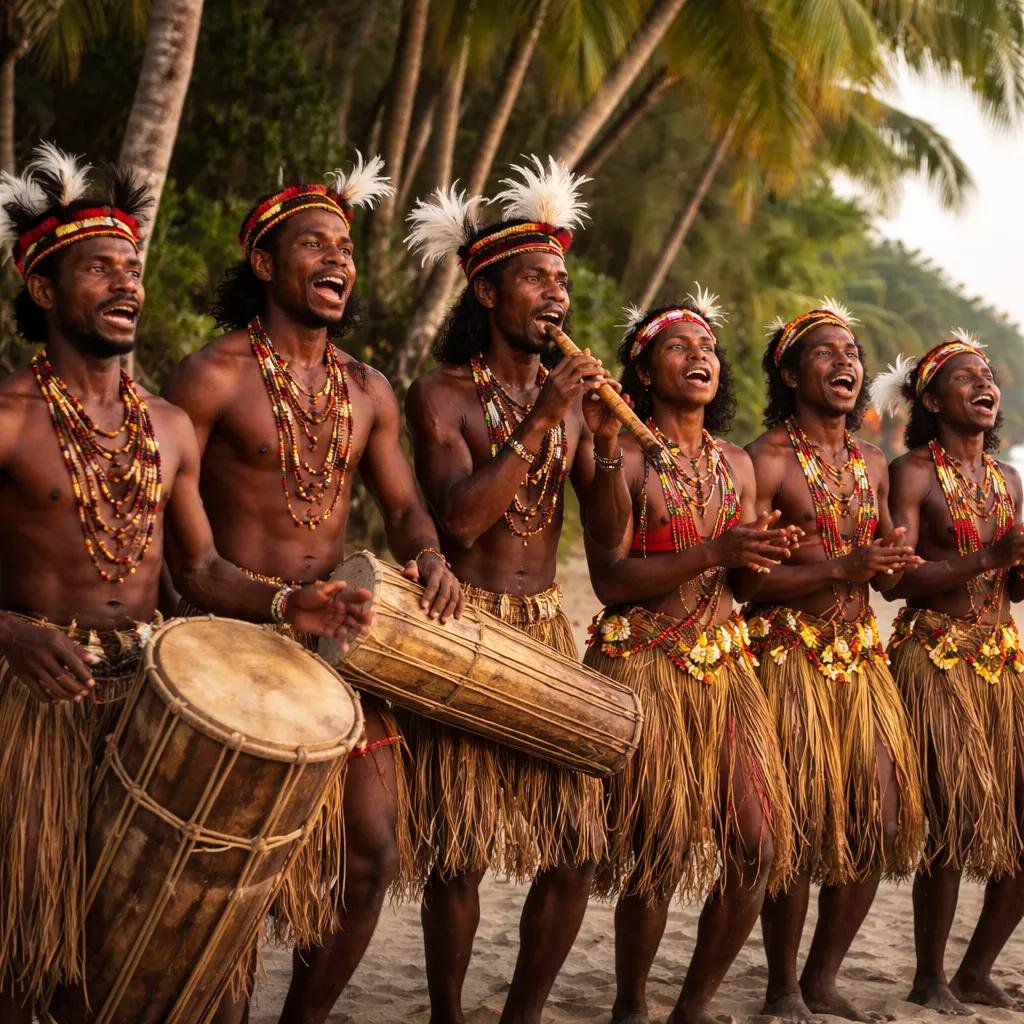
1. Nicobarese Cultural Continuity in the Central Group of Nicobar Islands Location: Nancowrie subdivision, Nicobar district, Andaman and Nicobar Islands Date added: 22 May 2026 Category: Cultural Proposed UNESCO criteria: (iii), (v), (vi) UNESCO's proposal focuses on the cultural heritage of the Nicobarese communities in the Central Nicobar Islands, particularly around the Kamorta harbour and the Nancowrie group. This is very different from the conventional idea of a heritage site consisting of forts, temples or monuments. Here, the heritage is primarily a living cultural landscape. Why Is Nicobarese Culture Important? The Nicobarese people have maintained a close relationship with their island environment over generations. Their cultural traditions include: Traditional architecture Maritime knowledge Fishing and subsistence practices Rituals and ceremonies Traditional food practices Oral traditions Community organization Indigenous ecological knowledge Traditional tools and materials UNESCO's documentation emphasizes that many of these practices have been transmitted through oral traditions, intergenerational learning and collective participation. The geographical isolation of the Nicobar Islands helped create a distinctive cultural environment. At the same time, the islands have historical connections with the wider cultural world of South and Southeast Asia. A Heritage Shaped by Nature One of the most interesting aspects of the proposed property is the relationship between people and their environment. The Nicobarese cultural landscape demonstrates how communities adapted their lifestyle to: Islands Tropical forests Coastal environments Marine resources Seasonal conditions Natural disasters This makes the site especially significant from the perspective of traditional ecological knowledge. Why This Could Matter for UNESCO The proposed heritage value isn't simply about preserving old buildings. It is about preserving a continuing cultural tradition. UNESCO notes the distinctive combination of maritime traditions, island-based communal life, traditional knowledge, rituals and cultural continuity. That makes the Nicobarese proposal an important example of living heritage in India.
2. Colonial Penal Settlement of Andaman Islands Location: Andaman Islands, including Chatham Island, Netaji Subhas Chandra Bose Island (Ross Island), Viper Island and Cellular Jail Date added: 22 May 2026 Category: Cultural Proposed UNESCO criteria: (ii), (iv), (vi) Few places in India are as strongly associated with the country's freedom struggle as the Andaman Islands. The new UNESCO proposal brings together four interconnected locations: Chatham Island Netaji Subhas Chandra Bose Island (Ross Island) Viper Island Cellular Jail Together, they represent the development of the British colonial penal system in the Andaman Islands. The Story Begins After the Revolt of 1857 Following the suppression of the uprising of 1857–58, the British colonial government expanded its use of the Andaman Islands as a remote penal settlement. The islands offered an ideal location for colonial authorities because of their: Geographic isolation Dense tropical forests Distance from mainland India Difficult maritime access Harsh environmental conditions The first batch of 200 Indian convicts arrived at Chatham Island on 10 March 1858, according to UNESCO's documentation. The penal settlement subsequently developed into a complex network of prisons, administrative buildings, labour facilities and military infrastructure. Cellular Jail: The Most Famous Symbol The Cellular Jail, popularly known as Kala Pani, became one of the most powerful symbols of India's freedom struggle. The prison was completed in 1906 and was designed around a radial plan intended to facilitate surveillance and isolation. The prison housed numerous Indian political prisoners and freedom fighters. Its association with figures such as: Vinayak Damodar Savarkar Batukeshwar Dutt Barindra Kumar Ghosh has made the site an important part of India's national memory. But UNESCO's proposal is broader than Cellular Jail alone. Why Four Sites Are Being Considered Together The proposed property is a serial heritage site. Each component played a different role: Chatham Island Chatham represents the early development of the penal settlement and the use of convict labour. Viper Island Viper Island is associated with an earlier prison and the brutal punishment system, including its historic gallows. Ross Island Ross Island became the administrative centre of the British settlement and housed important colonial buildings. Cellular Jail Cellular Jail represents the later and more systematic phase of colonial incarceration. UNESCO therefore views the four places as parts of a larger historical system rather than isolated monuments. Why It Is Important for Indian History The Andaman penal settlement tells two interconnected stories: Colonial repression and Indian resistance. It demonstrates how geography, architecture and forced labour were used as instruments of colonial control while also showing how political prisoners transformed imprisonment into a symbol of resistance. If eventually inscribed, the property could become one of India's most important heritage sites connected to the history of colonialism and the freedom movement.
3. The Painted Haveli Towns of Shekhawati Location: Jhunjhunu, Churu and Sikar districts, Rajasthan Date added: 1 June 2026 Category: Cultural Proposed UNESCO criteria: (iii), (iv), (v) For travelers interested in architecture, photography, history and Rajasthan's cultural heritage, this may be one of the most fascinating additions. The Painted Haveli Towns of Shekhawati represent a remarkable collection of historic towns famous for their richly decorated merchant mansions and frescoes. What Is Shekhawati? Shekhawati is a semi-arid region in northeastern Rajasthan. The UNESCO proposal is a serial nomination covering historic ensembles in 14 towns, including: Alsisar Jhunjhunu Bissau Chirawa Dundlod Mandawa Churu Mahansar Fatehpur Lakshmangarh Ramgarh Sikar Nawalgarh Khetri UNESCO describes these towns as a culturally coherent region shaped by ecology, political organization, merchant communities and long-distance trade. The Famous Shekhawati Frescoes The most recognizable feature of Shekhawati is its painted havelis. During the 18th, 19th and early 20th centuries, wealthy merchant families invested heavily in architecture. Their havelis were decorated with elaborate murals depicting: Hindu mythology Gods and goddesses Animals Royal processions Local festivals Everyday life Trade Transportation Colonial-era subjects Historical events European influences These paintings turned entire streets and neighborhoods into enormous outdoor art galleries. Why Did Merchants Build Such Magnificent Havelis? The answer lies partly in trade. Shekhawati merchants benefited from long-distance commercial networks. As trade patterns changed during the colonial period, many wealthy merchant families moved to major cities such as Calcutta and Bombay. However, they continued investing money in their hometowns. From the mid-19th century into the early 20th century, this resulted in an extraordinary period of architectural patronage. The money generated through commerce was transformed into: Havelis Temples Chhatris Dharamshalas Wells Baoris Public buildings Gardens Community infrastructure UNESCO considers this relationship between commerce, migration, architecture and artistic patronage central to the property's significance. Shekhawati's Architecture Is More Than Beautiful Frescoes It would be a mistake to think of Shekhawati simply as a collection of decorated mansions. The proposed UNESCO property recognizes entire historic townscapes. Traditional Shekhawati towns often included: Fort → Bazaar → Havelis → Temples → Water systems → Community spaces The settlements were adapted to the region's dry climate. Traditional infrastructure included: Wells Stepwells Tanks Water catchments Johars Narrow streets Courtyards Shaded spaces This combination of architecture and environmental adaptation is an important part of the proposed Outstanding Universal Value. Mandawa Mandawa is perhaps the best-known Shekhawati destination among international travelers. Its historic streets contain numerous havelis decorated with colorful frescoes. The town developed along old caravan routes and became an important trading centre. Visitors can combine a Shekhawati experience with a wider Rajasthan itinerary covering Delhi, Agra, Jaipur, Bikaner and Jaisalmer. Nawalgarh Nawalgarh is another major destination for experiencing Shekhawati's painted architecture. The town contains: Merchant havelis Painted chhatris Temples Dharamshalas Traditional wells It is particularly valuable for travelers who want to understand how merchant wealth influenced urban development. Fatehpur and Churu Fatehpur and Churu add further architectural diversity to the proposed serial property. Their havelis and historic neighborhoods illustrate how different communities, merchants and political authorities shaped the region. Together, the towns create a much more complete picture than any single haveli could provide.
4. Rangpur-Sivasagar Historic Ensemble, Assam Location: Sivasagar district, Assam Date added: 19 June 2026 Category: Cultural Proposed UNESCO criteria: (iii), (iv) The fourth new addition takes us from the deserts of Rajasthan to the green landscapes of Assam. The Rangpur-Sivasagar Historic Ensemble represents the architectural, cultural and political legacy of the Ahom dynasty, which ruled the Brahmaputra Valley for approximately six centuries. The Ahom Kingdom The Tai Ahoms entered Assam in 1228 CE, led by Sukaphaa. Over the following centuries, they established a powerful kingdom in the Brahmaputra Valley. The Ahom state developed sophisticated systems of: Administration Military organization Agriculture Water management Architecture Diplomacy The kingdom successfully resisted several Mughal campaigns, including the famous Battle of Saraighat in 1671. Its political history came to an end in the early 19th century, following Burmese invasions and the eventual British annexation of Assam in 1826. Rangpur: The Ahom Capital Rangpur was established as a planned capital by Swargadeo Rudra Singha in 1704. The area developed into a sophisticated political and ceremonial centre. Its heritage includes: Palaces Temples Ceremonial structures Fortifications Roads Bridges Large water reservoirs One of the most famous structures is the Rang Ghar, traditionally associated with royal entertainment and ceremonial activities. Sivasagar and Its Great Tanks One of the most remarkable features of the proposed UNESCO property is its enormous water infrastructure. Important reservoirs include: Sivasagar Joysagar Gaurisagar These were not simply decorative lakes. They were integrated into the political, religious and urban organization of the Ahom capital. UNESCO describes the ensemble as an example of sophisticated water-based urban planning, with reservoirs connected to temples, palaces, roads and ceremonial spaces. The Temples of Sivasagar The Sivasagar landscape is also famous for its temples. Among the best known are: Sivadol A major Shiva temple rising beside the Sivasagar tank. Devidol Dedicated to the goddess and forming part of the important temple group. Vishnudol Associated with Vishnu. These temples demonstrate the religious and architectural transformation of the Ahom kingdom and the interaction between Tai-Ahom traditions and wider Indian cultural influences. Rangpur-Sivasagar: A Blend of Cultures One of the most fascinating aspects of the proposed heritage site is its cultural synthesis. Ahom architecture developed through interaction between: Tai-Ahom traditions Indigenous Assamese traditions Hindu religious traditions Mughal influences Other regional architectural practices UNESCO particularly highlights the combination of architectural, hydraulic and cultural elements within the historic ensemble. This makes Rangpur-Sivasagar an important site for understanding the history of Northeast India and the cultural connections between South and Southeast Asia.

Why These Four Additions Are Significant for India The biggest story is not simply that India has added four more properties to its Tentative List. It is the diversity of heritage represented by these sites. 1. Living Indigenous Heritage The Nicobarese proposal recognizes traditions that continue to be practiced by communities. 2. Freedom Struggle and Colonial History The Andaman proposal preserves the physical landscape associated with colonial incarceration and India's independence movement. 3. Merchant Culture and Art Shekhawati demonstrates how trade and migration produced one of India's most distinctive historic townscapes. 4. Northeast India's Civilization Rangpur-Sivasagar brings the architectural and cultural achievements of the Ahom kingdom into greater international focus. Together, they demonstrate that India's heritage extends far beyond its famous Mughal monuments, Buddhist sites and temple complexes. How These Sites Could Boost Indian Tourism UNESCO recognition can have a major influence on tourism. Travelers increasingly look beyond India's most famous destinations and search for authentic cultural experiences. The four new tentative sites offer opportunities to develop new tourism circuits. Rajasthan Heritage Circuit A traveler could combine: Delhi → Agra → Jaipur → Shekhawati → Bikaner → Jaisalmer Shekhawati would provide a completely different architectural experience from Jaipur and the Mughal monuments of Agra. Assam Heritage Circuit A Northeast India itinerary could include: Guwahati → Sivasagar → Rangpur → Charaideo → Majuli → Kaziranga This would combine: Ahom history Religious heritage Living culture River landscapes Wildlife Traditional communities The Charaideo Moidams, already inscribed on the UNESCO World Heritage List, also provide an important connection with the broader Ahom heritage story. Andaman Heritage Experience The Andaman Islands are already famous for beaches, diving and marine tourism. The new UNESCO proposal creates an opportunity to expand the visitor experience toward: History + Freedom Struggle + Colonial Architecture + Island Culture + Nature Cellular Jail is already a major historical attraction, but the proposed serial property places it within a much larger historical landscape. Are These Four Sites Already UNESCO World Heritage Sites? No. This is an important distinction. They have been placed on India's UNESCO Tentative List, not yet on the final World Heritage List. The Tentative List is an important preliminary stage, but each property would still need to progress through the nomination and evaluation process before the World Heritage Committee could decide on inscription. India's latest UNESCO Tentative List currently contains 73 properties, according to the UNESCO World Heritage Centre's June 2026 listing. What Makes the 2026 Additions Special? The four new properties represent four very different stories of India. The Nicobar Islands tell a story of indigenous cultural continuity and adaptation to an island environment. The Andaman penal settlement tells a story of colonial power, imprisonment and the Indian struggle for freedom. Shekhawati tells a story of merchants, trade, migration, art and extraordinary town planning in a desert environment. Rangpur-Sivasagar tells the story of the Ahom kingdom, its architecture, water management and six centuries of cultural development in Assam. Together, they offer a fascinating portrait of India as a country where heritage is not limited to individual monuments—it can also exist in communities, landscapes, cities, water systems, memories and living traditions. Final Thoughts The addition of these four properties to India's UNESCO Tentative List is an important development for both heritage conservation and tourism. For international travelers, they open the door to parts of India that are still less explored than the Taj Mahal, Jaipur, Goa or Kerala. The Painted Haveli Towns of Shekhawati could become a major cultural attraction in Rajasthan. The Rangpur-Sivasagar Historic Ensemble could strengthen Assam's position as a destination for heritage tourism. The Colonial Penal Settlement of the Andaman Islands could deepen understanding of India's freedom struggle. And the Nicobarese Cultural Continuity proposal highlights the importance of protecting living indigenous traditions alongside physical monuments. If these nominations eventually progress to World Heritage inscription, India could add four very different chapters to its already remarkable UNESCO story.