India is a paradise for nature lovers, adventure seekers, and wildlife enthusiasts. From the dense forests of Madhya Pradesh
Where Can You Experience the Best Wildlife Safaris in India?
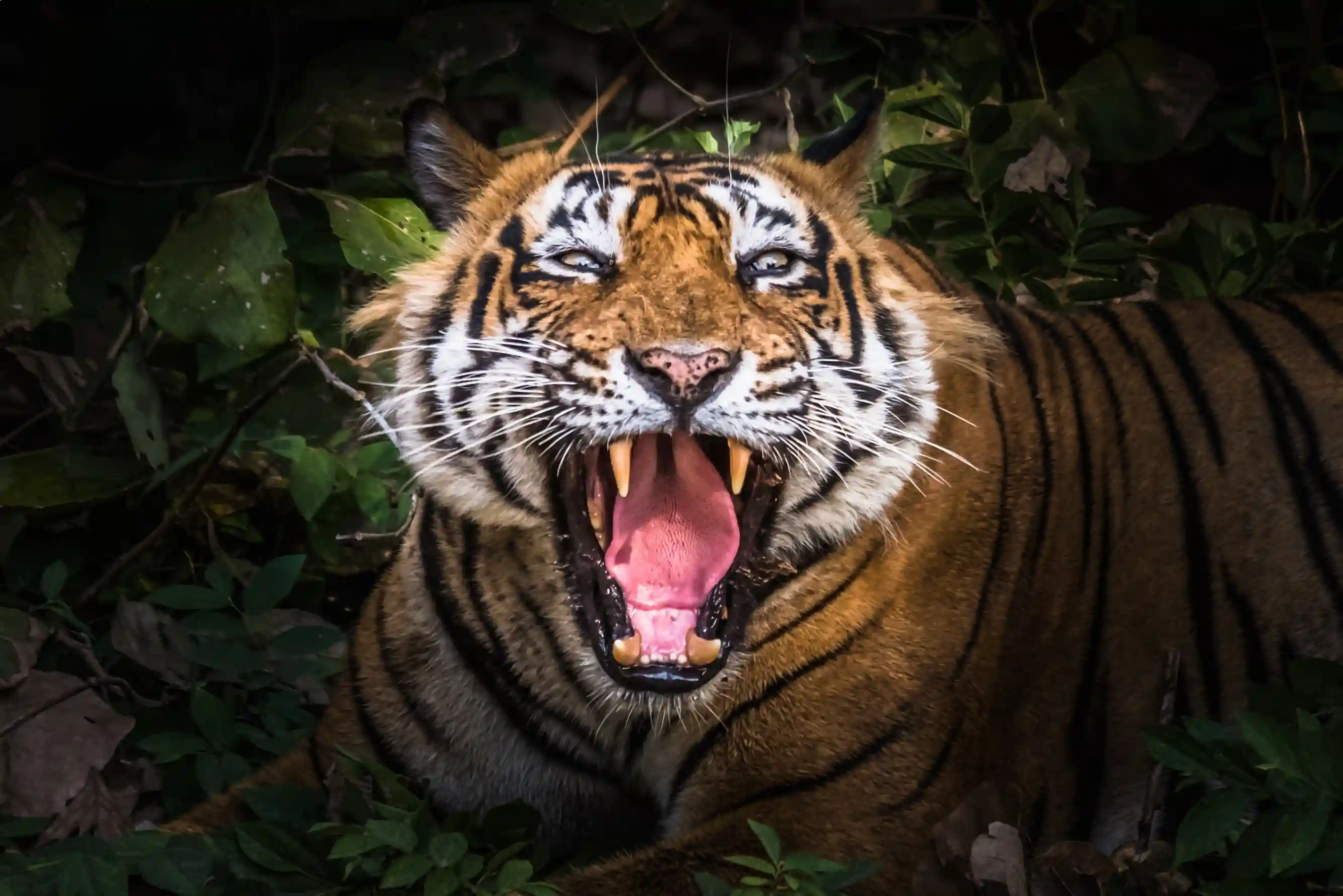
India is a paradise for nature lovers, adventure seekers, and wildlife enthusiasts. From the dense forests of Madhya Pradesh to the grasslands of Assam and the mangrove swamps of West Bengal, the country offers an incredible variety of natural habitats. These landscapes are home to majestic Bengal tigers, Asiatic lions, Asian elephants, one-horned rhinoceroses, leopards, crocodiles, and hundreds of colourful bird species. Whether you dream of watching a tiger walking through the forest or observing elephants in their natural habitat, India offers unforgettable experiences for every nature enthusiast.
Choosing the right destination can make your journey even more rewarding. Some national parks are famous for tiger sightings, while others are ideal for spotting rare mammals, observing birds, or exploring unique ecosystems. The best wildlife experiences combine exciting animal encounters with beautiful scenery, knowledgeable guides, and responsible tourism practices. If you are planning a nature-filled holiday, here are the best places to experience India's remarkable wildlife.
Why India Is a Paradise for Wildlife Lovers
India's extraordinary biodiversity comes from its diverse geography and climate. The country features tropical rainforests, dry deciduous forests, Himalayan landscapes, vast grasslands, wetlands, deserts, and coastal ecosystems. Each environment supports different animal and plant species, making India an exciting destination for travellers who want to explore nature in all its variety.
The country is particularly famous for its Bengal tigers, and several national parks offer opportunities to observe these magnificent predators in protected habitats. However, India's wildlife attractions extend far beyond tigers. Travellers can see rare one-horned rhinoceroses in Assam, Asiatic lions in Gujarat, wild elephants in forest reserves, and migratory birds around lakes and wetlands.
Conservation is another important reason to visit India's national parks. Protected areas help preserve endangered species, maintain ecological balance, and support wildlife research. By choosing authorised safari operators, respecting park regulations, and avoiding activities that disturb animals, visitors can enjoy nature while supporting its long-term protection.
Best National Parks for Wildlife Safaris in India
1. Ranthambore National Park, Rajasthan
Ranthambore National Park is one of India's most popular destinations for travellers hoping to see Bengal tigers. Located in Rajasthan, the park features dry deciduous forests, rocky hills, open grasslands, lakes, and ancient ruins. This striking combination of natural beauty and historical heritage creates a distinctive atmosphere for wildlife exploration.
Tigers are the park's main attraction, but visitors may also encounter leopards, sloth bears, striped hyenas, sambar deer, spotted deer, and crocodiles. Lakes and watering holes can provide excellent opportunities for wildlife photography, especially during warmer months when animals may visit these areas to drink.
Another highlight is the historic Ranthambore Fort, which adds a cultural dimension to the trip. Visitors can combine their nature adventure with local sightseeing, traditional Rajasthani cuisine, and explorations of nearby heritage sites. This makes the destination particularly appealing to travellers who want to experience wildlife and Indian history in one holiday.
The cooler months from October to March are generally comfortable for visiting. The hotter months can also offer rewarding wildlife-viewing opportunities, although temperatures may be high. Since safari availability depends on seasonal closures and designated zones, booking in advance is recommended.
2. Jim Corbett National Park, Uttarakhand
Jim Corbett National Park is one of India's most celebrated protected areas and a favourite among nature enthusiasts. Established in 1936 as Hailey National Park, it is widely recognised as the country's oldest national park. Its forests, river corridors, grasslands, and Himalayan foothill landscapes provide habitats for numerous wildlife species.
The park is known for Bengal tigers, Asian elephants, leopards, deer, and a rich variety of birds. Although tigers attract considerable attention, sightings are never guaranteed. Sometimes, the most memorable moments come from hearing birds calling through the forest, observing animal tracks, or watching elephants move quietly through the vegetation.
Corbett is also an excellent choice for travellers seeking a peaceful nature holiday. The surrounding region offers forested hills, riverside accommodation, and scenic villages. Visitors can enjoy birdwatching, nature photography, and other permitted outdoor activities alongside authorised safari experiences.
Different tourism zones offer different landscapes and wildlife-viewing opportunities. Before making a reservation, check which zones are open during your travel dates and choose accommodation according to your preferred entry gate. Winter and spring are popular seasons for visiting, although local conditions and park regulations should always guide your plans.
3. Kaziranga National Park, Assam
Kaziranga National Park is a remarkable destination for travellers interested in rare and impressive wildlife. Located in Assam, this UNESCO World Heritage Site is internationally renowned for its greater one-horned rhinoceroses. Its extensive grasslands, wetlands, and forest patches support a rich ecosystem that is different from the dry forests found in many other Indian reserves.
Apart from rhinoceroses, visitors may spot wild water buffalo, Asian elephants, swamp deer, and numerous resident and migratory birds. The park's open grasslands provide excellent opportunities to observe large mammals against a beautiful natural backdrop.
Kaziranga offers a different experience from the forest-based destinations commonly associated with tiger viewing. Its broad floodplains and wetlands support diverse species, while seasonal flooding plays an important role in shaping the environment. Wildlife movements and habitat conditions can change throughout the year, making local guidance particularly valuable.
The main tourism season generally extends from late autumn through spring, although opening dates and access can change according to flooding, weather, and park management decisions. Travellers should check current conditions before planning their journey. Guwahati is a common gateway, with road transfers connecting visitors to the park.
4. Kanha National Park, Madhya Pradesh
Kanha National Park is an excellent destination for travellers who appreciate beautiful forests as much as exciting animal encounters. Located in Madhya Pradesh, the reserve features sal forests, bamboo vegetation, open meadows, and seasonal streams. These varied landscapes support a wide range of mammals and birds.
Kanha is particularly important for conserving the hard-ground barasingha, a rare deer whose recovery represents a significant conservation achievement. Visitors may also encounter Bengal tigers, leopards, wild dogs, sloth bears, gaur, and several species of deer. The combination of open grasslands and dense forest creates attractive settings for wildlife photography.
One of Kanha's greatest attractions is its peaceful atmosphere. Morning mist may settle over the meadows, sunlight filters through the trees, and birds call from the surrounding forest. Even when a tiger remains hidden, observing smaller animals and appreciating the scenery can make the experience worthwhile.
The cooler months are popular for visiting, while the hotter period before seasonal closures can also offer rewarding sightings. Booking accommodation near your chosen entrance can reduce travel time and make early-morning departures easier. For travellers seeking biodiversity, scenic landscapes, and opportunities to observe tigers, Kanha is a strong choice.
5. Bandhavgarh National Park, Madhya Pradesh
Bandhavgarh National Park has earned a strong reputation among travellers interested in Bengal tigers. Located in Madhya Pradesh, it features forested hills, grasslands, rocky terrain, and natural water sources. These varied habitats support numerous species and create opportunities for wildlife observation.
Tigers are the park's principal attraction, but visitors may also encounter leopards, jackals, wild boar, spotted deer, sambar, and a wide range of birds. Every safari offers a different experience. One outing might reveal deer grazing in a meadow, while another may provide a glimpse of a tiger moving through the forest.
The historic Bandhavgarh Fort adds cultural interest to the surrounding landscape. The region's natural beauty and historical associations make it an appealing destination for travellers who want more than a conventional sightseeing holiday.
Bandhavgarh is worth considering alongside Ranthambore and Kanha when planning a tiger-focused trip. The right choice depends on your budget, transport arrangements, preferred accommodation, and safari availability. Remember that tiger sightings depend on animal behaviour and natural conditions rather than guarantees from any particular park.
6. Sundarbans National Park, West Bengal
The Sundarbans offers one of India's most distinctive wildlife experiences. Located in the Ganges-Brahmaputra delta, this enormous mangrove ecosystem consists of tidal waterways, muddy banks, forested islands, and winding river channels. It is internationally famous for its mangrove habitat and Bengal tigers.
Unlike the jeep-based safaris available in many other national parks, wildlife exploration in the Sundarbans often involves boat journeys through designated waterways. Travellers can observe the mangroves from the river while looking for crocodiles, water monitors, deer, and birds along the banks.
The region is also ecologically significant because mangroves help protect coastlines, support fisheries, and provide habitats for specialised wildlife. The landscape changes with the tides, and dense vegetation can make animal sightings challenging. Patience and careful observation are essential to enjoying this unusual environment.
The Sundarbans is an excellent choice for travellers who want to explore coastal biodiversity rather than focus exclusively on large mammals. Visitors should arrange their journeys through authorised tourism services and check current access restrictions, weather conditions, and boat arrangements before travelling.
7. Gir National Park, Gujarat
Gir National Park and its surrounding protected landscape in Gujarat are famous as the natural home of the Asiatic lion. For travellers fascinated by big cats, Gir offers an experience quite different from India's tiger reserves. Its dry deciduous forests, scrubland, rocky hills, and seasonal streams create a distinctive environment.
Visitors may encounter Asiatic lions, leopards, spotted deer, sambar, nilgai, crocodiles, and numerous bird species. The landscape's open patches can provide opportunities to observe wildlife moving through the forest, although sightings remain unpredictable.
Gir is also an important conservation success story. Long-term habitat protection and wildlife management have helped safeguard the Asiatic lion population in this region. Visiting the reserve can help travellers understand why protected habitats are essential for the survival of endangered species.
Safari access is regulated, and visitors should reserve through authorised channels. Seasonal closures and operating rules can affect travel plans, so checking current information before booking is important. For anyone hoping to see Asiatic lions in their natural habitat, Gir is one of India's most distinctive destinations.
Best Time to Plan a Safari in India
Choosing the right season can improve your comfort and wildlife-viewing opportunities, but there is no single perfect month for every national park. India's climate varies considerably by region, and each habitat responds differently to rainfall, temperature, and seasonal changes.
The period from October to March is generally comfortable for visiting many wildlife destinations. Temperatures are often milder, landscapes may remain green after the monsoon, and birdwatching can be particularly rewarding in wetlands and forest reserves. However, some parks reopen gradually after the monsoon, while others follow different seasonal schedules.
The hotter months, particularly April and May, can also offer rewarding wildlife-viewing opportunities in certain reserves. As water becomes less widely available, animals may visit remaining water sources more frequently. However, temperatures can be intense, so sun protection, hydration, and lightweight clothing are essential.
| Season | Advantages | Things to Consider |
|---|---|---|
| October to November | Pleasant weather in many regions and post-monsoon scenery | Some parks may have limited zones reopening gradually |
| December to February | Comfortable temperatures and excellent birdwatching opportunities | Cold early mornings in northern and central India |
| March to May | Potentially rewarding wildlife viewing around water sources | High temperatures and increased demand at popular parks |
| June to September | Lush landscapes and dramatic monsoon scenery in suitable destinations | Many parks restrict or suspend tourism during parts of the season |
Always confirm the current opening dates and local conditions before finalising your travel plans.
How to Choose the Right Safari Destination
The best destination depends on the animals you want to see and the kind of holiday you prefer. If your main goal is to spot a Bengal tiger, consider Ranthambore, Bandhavgarh, Kanha, or Jim Corbett. If you want to observe one-horned rhinoceroses, Kaziranga is an excellent choice. Gir is the destination to consider for Asiatic lions, while the Sundarbans provides a unique introduction to mangrove ecosystems.
Your travel style also matters. Families may prefer destinations with convenient transport, comfortable accommodation, and activities suited to children's ages. Wildlife photographers may value varied landscapes, several safari opportunities, and enough time to observe animal behaviour. Birdwatchers, meanwhile, may enjoy combining a national park with nearby wetlands and other birding locations.
Budget is another important factor. Safari fees, accommodation, transport, meals, and guide charges can vary considerably. Popular destinations may require advance planning during holidays and peak travel periods. Rather than choosing a park solely because it is famous, compare the total cost, accessibility, available safari zones, and length of stay.
If your schedule allows, spend two or three days in one reserve instead of rushing through several destinations. Multiple outings provide more opportunities to appreciate the landscape and encounter different species. Wildlife viewing is unpredictable, and allowing enough time often produces a more rewarding experience.
Essential Tips for an Unforgettable Safari
A successful safari begins with proper preparation. Book permits through authorised channels, confirm your entry gate, and check whether identification documents are required. In popular parks, available vehicles and time slots can be limited, so reserving early is sensible, particularly during school holidays and peak travel seasons.
Pack lightweight clothing in natural colours, comfortable footwear, a hat, sunscreen, insect repellent, and drinking water. Binoculars can help you observe distant animals without disturbing them, while a camera with a suitable zoom lens may be useful for photography. Early-morning safaris can be surprisingly cold during winter, so carrying an extra layer is worthwhile.
During your outing, listen carefully to your guide or naturalist. Their knowledge of animal tracks, bird calls, vegetation, and local conditions can make even a quiet drive fascinating. Avoid loud conversations, feeding animals, littering, or asking drivers to approach wildlife too closely. Never leave your authorised vehicle unless park rules and your guide explicitly permit it.
Responsible tourism should remain central to every wildlife experience. Animals are not performers, and sightings cannot be guaranteed. Maintaining a respectful distance and following park instructions helps protect their natural behaviour and keeps visitors safe.
Finally, keep your itinerary flexible. Weather, forest conditions, and park regulations can affect safari schedules. An open mind allows you to appreciate the entire environment, from a colourful kingfisher to fresh tiger tracks, rather than measuring the success of your holiday by one particular animal sighting.
Conclusion
India offers an extraordinary range of wildlife destinations, each with its own landscapes, signature species, and conservation stories. Ranthambore and Bandhavgarh attract tiger enthusiasts, Jim Corbett and Kanha offer rich forest experiences, Kaziranga is renowned for its one-horned rhinoceroses, Gir protects the Asiatic lion, and the Sundarbans reveals the remarkable ecology of mangrove forests.
The best Wildlife Safaris are not simply about photographing famous animals. They provide opportunities to understand natural habitats, appreciate biodiversity, and discover why conservation matters. By choosing the right park, travelling during a suitable season, booking responsibly, and respecting wildlife, you can create an adventure that is both memorable and meaningful.
Whether this is your first safari or another journey into the wilderness, India's national parks have something special to offer. Plan carefully, remain patient, and let nature set the pace. Sometimes, the most unforgettable moment is not a dramatic tiger sighting but the quiet feeling of being surrounded by the natural world.
Frequently Asked Questions
1. Which national park is best for seeing tigers in India?
Ranthambore, Bandhavgarh, Kanha, and Jim Corbett are popular choices for tiger enthusiasts. The best option depends on the season, safari availability, and your travel preferences. Tiger sightings are never guaranteed because these animals roam freely in their natural habitats.
2. Which Indian safari destination is best for families?
Jim Corbett, Ranthambore, and Kaziranga can be suitable for family trips, depending on children's ages and travel arrangements. Choose accommodation with convenient access, verify safari age restrictions, and plan around comfortable travel times.
3. What is the best month for a wildlife safari in India?
November through February is generally comfortable for visiting many destinations. March to May can also offer rewarding wildlife-viewing opportunities in some parks, although temperatures may be high. Always check local opening schedules and seasonal conditions before booking.
4. How can I book a safari in India?
You can book through the official booking system or an authorised reservation service for your chosen national park. Check permit availability, safari timings, entry gates, identification requirements, and cancellation policies. Advance reservations are recommended for popular destinations and peak travel seasons.
5. What should I pack for a wildlife safari?
Bring comfortable neutral-coloured clothing, a hat, sunscreen, insect repellent, drinking water, binoculars, and a camera if desired. Carry warmer layers for winter mornings and follow your guide's instructions throughout the experience.