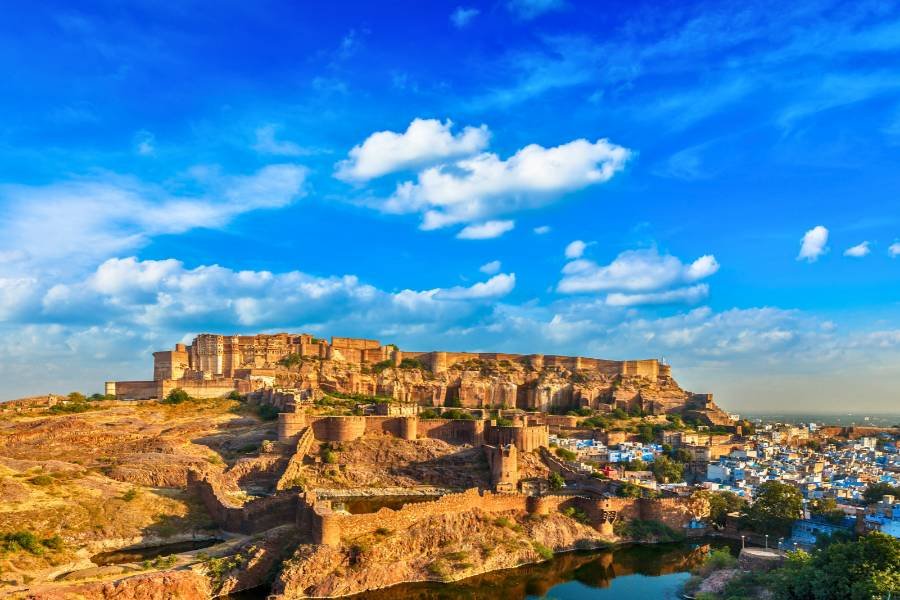
Rajasthan is one of India's most fascinating travel destinations, known for its magnificent forts, royal palaces, colourful markets
Which Rajasthan Tour Itinerary Is Best for First-Time Visitors?
Rajasthan is one of India's most fascinating travel destinations, known for its magnificent forts, royal palaces, colourful markets, golden deserts, and rich cultural heritage. From the pink streets of Jaipur to the blue houses of Jodhpur and the romantic lakes of Udaipur, every city offers a different experience. For first-time visitors, planning the right itinerary can feel overwhelming because the state is vast and each destination has its own attractions, traditions, and travel requirements.
The best way to explore Rajasthan is to choose an itinerary that balances sightseeing, cultural experiences, comfortable travel, and enough free time to enjoy each destination. Rather than rushing through too many cities, travellers should focus on a few major highlights and discover the history, architecture, cuisine, and local lifestyle at a relaxed pace.
If you are planning your first Rajasthan Tour, a seven-day itinerary covering Jaipur, Jodhpur, and Udaipur is an excellent starting point. Travellers with additional time can include Jaisalmer for a desert adventure or Pushkar for its temples, spiritual atmosphere, and traditional markets. This guide explains the best itinerary options, the attractions you should not miss, the ideal time to visit, and practical tips for making your first Rajasthan holiday memorable.
Why Rajasthan Is Perfect for First-Time Visitors
Rajasthan offers a wonderful introduction to India's royal history and cultural diversity. The state was once home to powerful Rajput kingdoms, whose rulers built impressive forts, elaborate palaces, stepwells, temples, and fortified cities. Many of these landmarks remain important historical attractions today, allowing visitors to discover centuries of architecture, craftsmanship, and political history in a single trip.
One of Rajasthan's biggest advantages is the variety of experiences available within the same state. Jaipur introduces visitors to royal architecture and lively bazaars, while Jodhpur offers imposing fortifications and distinctive blue-painted houses. Udaipur is famous for its lakes and romantic scenery, whereas Jaisalmer provides access to the Thar Desert, traditional havelis, and sand dunes.
The region is equally rewarding for food lovers. Visitors can sample dal baati churma, gatte ki sabzi, ker sangri, laal maas, and a variety of traditional sweets. Local handicrafts, block-printed textiles, embroidered fabrics, jewellery, leather goods, and miniature paintings also make shopping an enjoyable part of the journey.
For first-time travellers, Rajasthan is particularly appealing because it combines sightseeing with cultural immersion. You can explore historic monuments in the morning, enjoy traditional food at lunchtime, browse local markets in the afternoon, and watch a cultural performance in the evening. With sensible planning, the journey can be both comfortable and enriching.
Best Rajasthan Tour Itinerary for 7 Days
A seven-day itinerary is ideal for first-time visitors who want to explore Rajasthan's most famous cities without spending the entire holiday travelling. The route below begins in Jaipur, continues to Jodhpur, and finishes in Udaipur. It combines royal landmarks, traditional markets, historical attractions, and scenic experiences.
Day 1: Arrive in Jaipur and Explore the Pink City
Jaipur, the capital of Rajasthan, is an excellent starting point for your journey. Known as the Pink City, it is famous for its historic architecture, bustling bazaars, and royal heritage. After arriving, check into your hotel and spend some time relaxing before heading out to explore the city.
Begin with Hawa Mahal, one of Jaipur's most recognisable landmarks. Its elaborate façade features numerous small windows and balconies that were historically designed to allow royal women to observe street festivities while maintaining privacy. The monument is especially attractive for photography, particularly when the surrounding streets are lively.
Continue to the City Palace, which offers insight into Jaipur's royal history through its courtyards, galleries, decorative gateways, and museum collections. Depending on your interests and available time, you can also explore Jantar Mantar, an important historic astronomical observatory recognised as a UNESCO World Heritage Site.
In the evening, visit local markets such as Johari Bazaar or Bapu Bazaar to discover colourful textiles, jewellery, handicrafts, and traditional footwear. Finish your first day with an authentic Rajasthani meal at a local restaurant. Avoid trying to visit every attraction immediately; a relaxed introduction will help you enjoy the city more fully.
Day 2: Discover Jaipur's Forts and Royal Heritage
Dedicate your second day to Jaipur's impressive forts and historic surroundings. Start early with Amber Fort, located on a hill overlooking Maota Lake. The complex features grand courtyards, ornate halls, decorative mirror work, and impressive gateways that reflect the architectural traditions of Rajasthan's royal families.
Allow enough time to explore the fort without rushing. Its courtyards and elevated viewpoints offer excellent opportunities for photography, while its architecture reveals how defensive structures and royal residences were combined within a single complex. Visitors should follow designated access routes and avoid activities that may harm historic structures.
After Amber Fort, visit Panna Meena ka Kund, a historic stepwell known for its geometric staircases and symmetrical design. Access arrangements may vary, so follow local rules when visiting. You can then explore Jal Mahal from its accessible lakeside viewpoints before returning to Jaipur.
If time permits, consider visiting Nahargarh Fort for panoramic views of the city, especially later in the afternoon. Alternatively, spend the evening enjoying local cuisine or exploring a traditional market. Jaipur deserves at least two days because its major attractions are spread across different parts of the city.
Day 3: Travel to Jodhpur and Explore the Blue City
On the third day, travel from Jaipur to Jodhpur. The journey generally takes several hours by road or train, depending on your chosen service and departure point. An early start will help you arrive with enough time to explore the city's main attractions.
Jodhpur is popularly known as the Blue City because many houses in its older neighbourhoods are painted shades of blue. The city's most famous landmark is Mehrangarh Fort, which rises dramatically above the surrounding urban landscape. Its massive walls, historic courtyards, museum collections, and elevated viewpoints make it one of Rajasthan's essential attractions.
After visiting the fort, explore Jaswant Thada, a beautiful marble memorial surrounded by landscaped grounds. Its delicate stonework and peaceful setting provide a contrast to the imposing architecture of Mehrangarh Fort.
Later, head towards the Clock Tower area and Sardar Market. These busy streets are excellent places to observe everyday life, browse local products, and sample regional snacks. Try traditional mirchi vada or mawa kachori if you enjoy local specialities. Spend the evening relaxing at your accommodation or enjoying views of the illuminated city.
Day 4: Explore Jodhpur and Travel to Udaipur
Begin your fourth day with a relaxed breakfast before exploring any remaining attractions in Jodhpur. Depending on your interests, you could visit Umaid Bhawan Palace Museum, explore historic neighbourhoods, or spend additional time browsing local markets.
Later, travel to Udaipur, a city famous for its lakes, palaces, and scenic surroundings. The journey by road usually takes several hours, so plan your departure accordingly. A direct transfer may be convenient if you want to make the most of your time, although train schedules and road conditions should be checked before booking.
After arriving in Udaipur, check into your hotel and enjoy a relaxed evening near Lake Pichola. The waterfront area is particularly attractive around sunset, when the surrounding hills, historic buildings, and palace façades reflect across the water.
You can explore the nearby streets, enjoy a traditional dinner, or simply relax after the journey. Udaipur has a slower and more romantic atmosphere than Jaipur or Jodhpur, making it a pleasant place to spend the final part of your holiday.
Day 5: Discover Udaipur's Palaces and Lakes
Spend your fifth day discovering Udaipur's royal architecture and beautiful lakes. Begin with the City Palace, a sprawling complex overlooking Lake Pichola. Its courtyards, balconies, galleries, and decorative interiors provide an excellent introduction to the history of the Mewar kingdom.
After the palace, visit Jagdish Temple, a prominent historic temple known for its detailed carvings and religious significance. Remember to dress respectfully and follow the temple's visitor guidelines.
Later, consider taking a boat ride on Lake Pichola if services are operating and weather conditions permit. The lake offers beautiful views of the surrounding palaces, ghats, and hills. You may also admire the Lake Palace from the water, although access to individual properties depends on their visitor policies.
In the afternoon, explore Saheliyon-ki-Bari, a historic garden featuring fountains, greenery, and decorative features. If you enjoy photography, the city's lakeside viewpoints and narrow old-town streets offer plenty of opportunities to capture its distinctive atmosphere.
End the day with a sunset view from an accessible lakeside location or a rooftop restaurant. Udaipur is a city best enjoyed without rushing, so leave some time to appreciate its scenery and relaxed pace.
Day 6: Enjoy Udaipur's Culture and Local Experiences
Use your sixth day to explore Udaipur beyond its most famous monuments. Visit local markets to discover miniature paintings, traditional jewellery, embroidered fabrics, pottery, and handcrafted souvenirs. Take time to compare products and ask about their origins if you are interested in learning more about regional craftsmanship.
You can also explore Bagore Ki Haveli, a historic mansion that offers insight into traditional architecture and local heritage. Depending on the current programme, cultural performances may be available in the evening. Check schedules in advance rather than assuming that a performance will take place every day.
Travellers interested in nature can consider a visit to Sajjangarh, also known as the Monsoon Palace, which offers elevated views of the surrounding landscape. Travel time and access conditions should be checked before departure, particularly during periods of poor weather.
Food is another important part of the Udaipur experience. Sample traditional Rajasthani dishes, enjoy local sweets, or try a meal featuring regional ingredients. If you prefer a quieter day, simply revisit the lakefront, relax at a café, or explore the old city at your own pace.
Day 7: Final Sightseeing and Departure
Keep your final day flexible according to your departure time. If you have a morning flight or train, enjoy breakfast and leave enough time to reach the airport or station. If your departure is later in the day, you can visit a nearby attraction, purchase last-minute souvenirs, or take a relaxed walk through the old city.
Travellers with an evening departure may also consider visiting Fateh Sagar Lake or exploring a local market, provided the schedule allows. Avoid planning a long excursion that could make you late for your transport.
A seven-day trip covering Jaipur, Jodhpur, and Udaipur offers a satisfying introduction to Rajasthan's architecture, history, cuisine, and cultural traditions. It is especially suitable for visitors who want to explore the state's best-known cities without making the itinerary overly complicated.
Should You Add Jaisalmer to Your Rajasthan Itinerary?
Jaisalmer is one of Rajasthan's most distinctive destinations, particularly for travellers who dream of experiencing the desert. Known as the Golden City, it is famous for its yellow sandstone architecture, historic fort, ornate havelis, and proximity to the Thar Desert.
Jaisalmer Fort is the city's most important landmark and remains a living fort with residential areas, shops, temples, and guesthouses within its walls. Visitors can explore its narrow lanes, admire carved sandstone buildings, and learn about the city's historic role in regional trade.
Another popular attraction is the Sam Sand Dunes area, where authorised operators may offer desert excursions and camel rides. Sunset is a particularly appealing time to experience the landscape, although conditions can be windy and temperatures can vary considerably between day and night.
If you want to include Jaisalmer in your Rajasthan Tour, consider extending your trip to nine or ten days. A rushed visit can make the long travel distances tiring, particularly if you are also planning to see Jaipur, Jodhpur, and Udaipur. An additional day or two allows you to explore the fort, visit nearby attractions, and enjoy a desert experience without sacrificing time in the other cities.
Best Time to Visit Rajasthan
The best time to visit Rajasthan is generally between October and March, when temperatures are more comfortable for sightseeing in many parts of the state. These months are popular with domestic and international travellers because daytime conditions are often suitable for exploring forts, palaces, markets, and outdoor attractions.
November to February is particularly appealing for first-time visitors who want to explore several cities. However, winter mornings and evenings can be chilly, especially in desert regions. Carrying a light jacket or warm layer is useful if you plan to take early-morning excursions or spend evenings outdoors.
April to June can be extremely hot, with temperatures rising significantly in desert areas. If you travel during this period, schedule outdoor sightseeing early in the morning or later in the afternoon, stay hydrated, and choose accommodation with suitable cooling facilities.
The monsoon season, generally from July to September, can bring rain and increased humidity. Some landscapes become greener, and certain destinations may feel less crowded, but weather conditions can affect road travel and outdoor activities. Check local forecasts before finalising your itinerary.
Major festivals can add cultural excitement to your trip. Events such as the Pushkar Fair and regional celebrations attract visitors interested in folk music, traditional crafts, religious ceremonies, and local customs. Since festival dates vary, check the relevant year's calendar when planning your visit.
How Many Days Are Enough to Explore Rajasthan?
The ideal duration depends on your interests, budget, and travel pace. A short trip can introduce you to one or two major cities, while a longer holiday allows you to explore Rajasthan's varied landscapes and cultural attractions.
| Trip Duration | Suggested Destinations | Best For |
|---|---|---|
| 3–4 days | Jaipur and nearby attractions | Short breaks and weekend holidays |
| 5–7 days | Jaipur, Jodhpur, and Udaipur | First-time visitors |
| 8–10 days | Jaipur, Jodhpur, Udaipur, and Jaisalmer | Travellers seeking cities and desert experiences |
| 10–14 days | Jaipur, Pushkar, Jodhpur, Jaisalmer, and Udaipur | A more comprehensive Rajasthan holiday |
Remember that Rajasthan is a large state, and travelling between cities can take several hours. It is better to enjoy fewer destinations properly than to spend most of your holiday sitting in a vehicle. When planning a multi-city journey, account for transfers, check-in times, sightseeing hours, and occasional delays.
Travel Tips for First-Time Visitors to Rajasthan
Good planning can make your first visit to Rajasthan considerably more comfortable. Start by choosing an arrival city and a departure city that suit your itinerary. For example, flying into Jaipur and leaving from Udaipur may reduce unnecessary backtracking if transport schedules and fares work for your dates.
Book accommodation according to your sightseeing priorities. Staying near the old city can make it easier to explore markets and historic attractions, while properties outside the centre may offer more space and quieter surroundings. Always consider transport access, especially if you plan to visit monuments early in the morning.
For travel between cities, compare trains, buses, private cars, and other available transport options. Trains can be economical, while a private vehicle may provide greater flexibility for families or travellers with limited time. Confirm journey durations and availability before committing to a schedule.
Wear comfortable shoes because forts, palaces, and historic neighbourhoods often involve walking on uneven surfaces, climbing steps, or navigating crowded streets. Carry drinking water, sunscreen, and appropriate clothing for the season. At religious sites, follow local dress requirements and photography rules.
Finally, avoid overloading each day with attractions. Leave room for unexpected discoveries, a leisurely meal, or an interesting conversation with a local artisan. These unscheduled moments often become some of the most memorable parts of a holiday.
Conclusion
Choosing the right itinerary is the key to enjoying Rajasthan for the first time. A seven-day journey through Jaipur, Jodhpur, and Udaipur provides an excellent balance of royal heritage, architectural wonders, local cuisine, shopping, and scenic experiences. Travellers with more time can extend their holiday to Jaisalmer for its desert landscapes or include Pushkar for its spiritual atmosphere and traditional markets.
A well-planned Rajasthan Tour should leave enough time to appreciate each destination rather than rushing between attractions. Travel during a comfortable season, arrange transport in advance, and choose experiences that match your interests and budget. Whether you are admiring the grandeur of Amber Fort, exploring the blue lanes of Jodhpur, or watching the sunset over Lake Pichola, Rajasthan offers a memorable introduction to India's royal past and vibrant culture.
With a thoughtful itinerary and a relaxed approach, your first Rajasthan holiday can become an unforgettable journey filled with history, colour, delicious food, and remarkable experiences.
Frequently Asked Questions
1. Which Rajasthan itinerary is best for first-time visitors?
A seven-day itinerary covering Jaipur, Jodhpur, and Udaipur is an excellent choice for first-time visitors. It combines forts, palaces, historic markets, lakes, and cultural experiences without requiring too many long transfers.
2. Is seven days enough to explore Rajasthan?
Seven days is enough to explore three major cities at a comfortable pace. If you want to include Jaisalmer and experience the Thar Desert, consider extending your trip to nine or ten days.
3. What is the best month to visit Rajasthan?
October to March is generally the most comfortable period for sightseeing. November to February is particularly popular, although winter mornings and evenings can be cold in some areas.
4. Which cities should I visit on my first Rajasthan trip?
Jaipur, Jodhpur, and Udaipur are excellent choices for a first visit. Jaipur offers royal architecture and bustling markets, Jodhpur is famous for its imposing fort and blue houses, and Udaipur is known for its lakes and palaces.
5. Is Rajasthan suitable for a family holiday?
Yes, Rajasthan offers historic attractions, cultural experiences, local cuisine, shopping, and family-friendly accommodation options. Plan realistic travel times, consider the weather, and avoid scheduling too many sightseeing activities in a single day.
For more itinerary ideas and travel options, explore our Rajasthan Tour packages.