Planning a road trip through India's Golden Triangle is one of the easiest ways to experience the country's history, architecture, food, markets
How to Plan a Delhi Agra Jaipur Tour by Car?
Planning a road trip through India's Golden Triangle is one of the easiest ways to experience the country's history, architecture, food, markets, and everyday culture in one journey. A Delhi Agra Jaipur tour by car gives you the freedom to set your own schedule instead of depending entirely on train timings or fixed group-tour itineraries. You can start early, stop for photographs, take breaks whenever you need them, and spend additional time at attractions that genuinely interest you. For families, couples, international visitors, and small groups, travelling by private car can turn a simple sightseeing trip into a comfortable road adventure. The route is especially popular because each destination offers a distinctly different experience: Delhi combines historic landmarks with modern city life, Agra is home to the Taj Mahal and Mughal heritage, while Jaipur introduces travellers to Rajasthan's forts, palaces, colourful bazaars, and traditional cuisine.
Why Choose a Car for the Golden Triangle?
A private car provides considerably more flexibility than travelling between the three cities independently. Your luggage remains with you throughout the journey, you can select convenient departure times, and you do not have to arrange separate transportation every time you arrive at a railway station. This becomes particularly valuable when travelling with children or older adults, because the itinerary can be adjusted according to everyone's energy levels. You can also stop between destinations for lunch, refreshments, photographs, or a short break rather than treating the highway simply as a means of getting from one hotel to another. A professional driver can handle much of the navigation, allowing you to concentrate on enjoying the scenery and planning your next sightseeing stop.
Another advantage is the opportunity to create a customised itinerary. Perhaps you want to spend extra time exploring Old Delhi, visit Fatehpur Sikri between Agra and Jaipur, or stop at a roadside restaurant for local food. With a private vehicle, these additions are easier to accommodate. However, flexibility works best when you avoid overloading the schedule. Delhi, Agra, and Jaipur are all large tourist destinations, and trying to see every attraction in a few days can make the journey exhausting. A well-planned route should leave some breathing room between major sightseeing experiences.
How Many Days Do You Need?
For a comfortable trip, four to five days is a practical starting point. A shorter three-day itinerary can cover the principal attractions, but it usually involves early mornings and relatively long sightseeing days. If you have five or six days available, you can slow down, explore local neighbourhoods, enjoy regional food, and spend more time at major monuments rather than simply taking photographs and moving on.
A typical five-day plan might begin with Delhi sightseeing, followed by a drive to Agra on the second day. The third day can include Agra sightseeing and the onward journey toward Jaipur, while the fourth day is dedicated largely to Jaipur. If your return journey is from Delhi, the fifth day can be used for the drive back or additional sightseeing depending on your flight or train schedule. The important thing is to consider actual driving and sightseeing time rather than counting only the number of nights. City traffic, security checks at monuments, meal stops, hotel check-in, and road conditions can all influence the day's schedule.
Start Your Trip With Delhi Sightseeing
Delhi deserves more than a quick stop if your schedule allows it. The city brings together centuries of history, with attractions representing the Mughal period, colonial era, and independent India. Depending on your interests, you can visit places such as the Red Fort, India Gate, Humayun's Tomb, Qutub Minar, Lotus Temple, and Jama Masjid. Old Delhi is particularly interesting for travellers who enjoy street food, traditional markets, and busy historic neighbourhoods, although the crowds can be intense.
Try to group attractions geographically rather than driving repeatedly from one side of the city to another. This simple planning technique can save considerable time. For example, you can arrange a morning around Old Delhi and nearby historic attractions before moving toward central or southern Delhi later in the day. Ask your driver about practical drop-off and parking arrangements because some monuments have restricted vehicle access or require visitors to walk from designated parking areas.
Travel From Delhi to Agra by Car
The Delhi-to-Agra road journey is an important part of the itinerary, and starting early is generally useful. Morning departures can help you avoid some of the heavier urban traffic and leave more time for sightseeing after reaching Agra. The exact journey time varies with your starting point, traffic, road conditions, and stops, so it is better to build a reasonable buffer into your schedule instead of planning your arrival down to the minute.
Before leaving Delhi, check that you have water, snacks, phone chargers, necessary medications, and any travel documents you may need. Keep your camera or smartphone easily accessible because the road trip can offer opportunities for photography. If you are travelling with children, carrying a few activities or entertainment options can make the drive easier. A comfortable car with sufficient luggage space is also important, particularly when several passengers are sharing the vehicle.
Explore the Taj Mahal and Agra Fort
The Taj Mahal is naturally the centrepiece of any Delhi Agra Jaipur road itinerary, but Agra has more to offer than one monument. The Taj Mahal's appearance changes with the quality of daylight, which is why many travellers prefer an early visit. Check official monument information before your trip for current opening days, entry rules, security requirements, and ticket arrangements because these details can change.
Agra Fort should also be included in your sightseeing plan. The enormous red sandstone complex provides a different perspective on Mughal architecture and history, while several areas offer views toward the Taj Mahal. Depending on your available time, you can also consider attractions such as Itmad-ud-Daulah's Tomb or Mehtab Bagh. Avoid trying to visit every possible site simply because it appears on a tourist checklist. Spending meaningful time at two or three major attractions is often more enjoyable than rushing through six.
Enjoy Agra's Food and Local Shopping
Agra is also a good place to explore regional food and traditional handicrafts. Visitors commonly look for products associated with marble craftsmanship, leather goods, textiles, and local sweets. When shopping, compare prices at several stores and clarify whether an item is handmade, machine-produced, or made from the material claimed by the seller. Reputable establishments are preferable for expensive purchases.
Food can become part of the sightseeing experience as well. Agra is known for its Mughlai culinary traditions and local sweets, while restaurants range from casual establishments to hotels serving international cuisine. Ask your driver or hotel for recommendations based on your preferences, particularly if you have dietary restrictions. A little research before ordering can help you discover local dishes without compromising comfort or health.
Drive From Agra to Jaipur
The journey from Agra toward Jaipur is another significant section of the route. One popular way to make this transfer more interesting is to include Fatehpur Sikri, the historic Mughal city located west of Agra. Its grand architecture and historical significance make it a natural addition for travellers interested in heritage. Allow enough time for the visit rather than treating it as a rushed roadside photograph.
Your driver should know the planned stops before the day begins. This allows enough time to calculate hotel arrival, meals, monument visits, and traffic delays. Keep valuable belongings with you rather than leaving them unattended in the vehicle during stops. It is also sensible to confirm the accommodation address and check-in timing before starting the drive.
Discover Jaipur's Forts and Palaces
Jaipur provides a dramatic change of atmosphere after Agra. The Pink City is known for its historic architecture, grand forts, colourful bazaars, jewellery, textiles, and Rajasthani cuisine. Major attractions include Amber Fort, City Palace, Jantar Mantar, Hawa Mahal, and Jal Mahal. Because these sites are spread around different parts of the city, organising them into an efficient route can make a substantial difference to your sightseeing day.
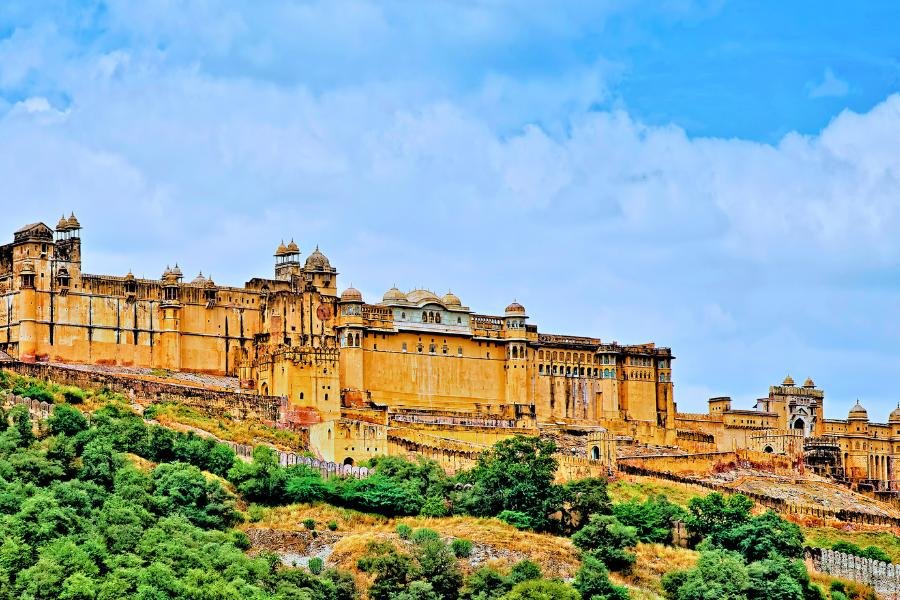
Amber Fort generally deserves generous time because the complex contains courtyards, halls, viewpoints, and architectural details that are easy to overlook during a rushed visit. Hawa Mahal is often best treated as a photography stop combined with nearby sightseeing rather than as a lengthy standalone visit. Jantar Mantar is particularly interesting if you enjoy science and historical astronomy. Jaipur's markets can then provide a relaxed end to the day, giving you an opportunity to browse textiles, handicrafts, jewellery, and souvenirs.
Select the Right Car for Your Trip
The vehicle you choose should match the size of your group and the amount of luggage you carry. A small sedan can work well for a couple or two-person trip, while families and larger groups may prefer an SUV or spacious multi-seat vehicle. Comfort becomes increasingly important on a multi-city road trip because passengers can spend several hours in the vehicle.
Before confirming a booking, ask what is included in the quoted price. Check whether fuel, tolls, parking charges, interstate taxes, driver expenses, and sightseeing transfers are included or charged separately. Also confirm whether the driver will remain available throughout the itinerary or whether local transportation arrangements change from city to city. Getting these details in writing can prevent unpleasant surprises later.
Estimate Your Tour Budget
The cost of a Delhi Agra Jaipur car trip depends on the vehicle category, number of days, season, accommodation standard, sightseeing requirements, meals, and additional stops. Instead of focusing only on the headline car rental price, calculate the entire trip budget. Your estimate should include accommodation, monument tickets, meals, fuel or vehicle charges, tolls, parking, shopping, tips, and emergency expenses.
It is wise to keep a small contingency amount available. Travel rarely follows a perfect spreadsheet: you might decide to visit another attraction, need an additional hotel night, or encounter an unexpected transportation expense. A realistic budget gives you room to enjoy the journey without constantly calculating every small purchase.
Best Time for a Road Trip
Weather can have a major influence on your experience. The cooler months are generally more comfortable for extensive sightseeing, while the hotter months can make midday outdoor visits challenging. Monsoon conditions may also affect travel plans, although rain can occasionally provide a different and refreshing perspective on the cities.
Regardless of the season, plan outdoor monuments around the day's more comfortable periods when possible. Carry sun protection, drinking water, comfortable footwear, and clothing appropriate for the weather. During cooler periods, early mornings can be surprisingly cold, so layering is useful.
What Should You Pack?
Packing for a road trip is easier when you think in terms of comfort rather than quantity. Comfortable walking shoes are essential because major monuments often involve considerable walking. Sunglasses, sunscreen, a reusable water bottle, medications, power banks, charging cables, identification documents, and a small day bag are practical additions.
Avoid bringing excessive luggage simply because the car has a large boot. You will repeatedly move between hotels, the vehicle, and sightseeing locations, and lighter bags make those transitions easier. Keep important documents and valuable electronics in your hand luggage rather than inside checked or inaccessible baggage.
Practical Tips for a Smooth Journey
A successful Delhi Agra Jaipur tour depends as much on timing and communication as it does on the destinations themselves. Share your planned itinerary with your driver before the journey begins, including hotel addresses and important sightseeing stops. Keep some flexibility because city traffic can be unpredictable, particularly when travelling through busy urban areas. If a particular attraction is essential to you, tell your driver and travel companions in advance rather than assuming there will be time for it later.
Do not try to squeeze too many monuments into a single day. Travel is supposed to be an experience, not a competition to collect the maximum number of photographs. Leave time for breakfast, lunch, coffee, shopping, and simply watching everyday life in each city. Those unplanned moments often become some of the most memorable parts of a road trip.
Common Mistakes to Avoid
One common mistake is choosing the cheapest car package without checking what the price includes. A low initial quote can become substantially more expensive when tolls, parking, taxes, additional kilometres, or driver charges are added. Another mistake is planning an itinerary with almost no buffer between hotel check-out, driving, sightseeing, and hotel check-in.
Travellers should also avoid assuming that every attraction can be visited at any time. Monument opening schedules, weekly closures, ticketing arrangements, security rules, and seasonal conditions can affect plans. Verify important details through official tourism or monument sources shortly before your trip. If you are booking during a busy holiday period, reserve accommodation and transportation early enough to avoid unnecessary stress.
Why This Road Trip Works So Well
The real appeal of this classic route is the contrast between its destinations. Delhi introduces you to a huge modern metropolis layered over centuries of history. Agra focuses attention on Mughal architecture and one of the world's most recognisable monuments, while Jaipur brings in the colours, traditions, forts, and royal heritage of Rajasthan. Travelling by car connects these experiences into one continuous journey rather than three isolated city breaks.
A thoughtfully designed Delhi Agra Jaipur itinerary should therefore balance famous landmarks with enough free time to experience each destination naturally. Start with a realistic number of days, choose a comfortable vehicle, research your hotels, identify the attractions that matter most to you, and leave some room for spontaneity. With those basics in place, the journey becomes much easier to manage.
Conclusion
Planning a road trip across the Golden Triangle does not have to be complicated. Choose your travel dates, decide how many days you can comfortably spare, select a suitable vehicle, and build the itinerary around the attractions you genuinely want to experience. Give Delhi enough time for its historic and cultural highlights, dedicate meaningful time to Agra's monuments, and explore Jaipur's forts, palaces, markets, and cuisine without rushing.
The biggest advantage of travelling by car is flexibility. You can adapt your schedule when traffic changes, stop for refreshments, add a worthwhile attraction, or simply take a break when you need one. With sensible preparation and realistic expectations, a road trip through these three iconic North Indian destinations can be comfortable, memorable, and remarkably easy to organise.
FAQs
1. How many days are enough for a Delhi Agra Jaipur road trip?
Four to five days works well for many travellers who want to experience the major attractions without making every day excessively long. Three days is possible for a fast-paced itinerary, while five or more days allow additional sightseeing and relaxation.
2. Is travelling by car better for families?
A private car can be convenient for families because you can control departure times, carry luggage easily, and stop whenever necessary. Families with young children or older travellers may particularly appreciate the flexibility.
3. Can Fatehpur Sikri be included in the itinerary?
Yes. Fatehpur Sikri can be incorporated into the journey between Agra and Jaipur, depending on your schedule. Plan sufficient time for the visit rather than treating it as a very brief stop.
4. What type of car should I book?
For two or three travellers with moderate luggage, a comfortable sedan may be sufficient. Larger families or groups may prefer an SUV or spacious multi-seat vehicle. Always confirm luggage capacity before booking.
5. What should I check before hiring a car?
Confirm the vehicle type, number of days, kilometre limits, driver availability, fuel policy, tolls, parking, taxes, interstate charges, and additional-hour or additional-kilometre fees. Getting the inclusions clearly documented can help avoid unexpected costs.