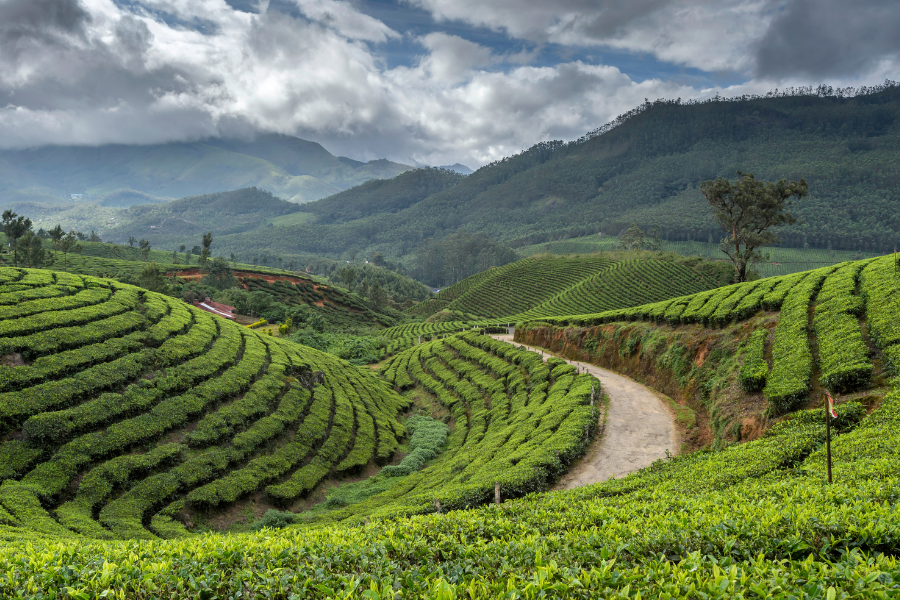
Planning your first trip to India can feel exciting, overwhelming, and a little confusing. India is a huge and incredibly diverse country, offering everything from centuries-old monuments and colorful cities to Himalayan landscapes, tropical beaches, wildlife reserves, spiritual destinations, and rich culinary traditions. For first-time visitors, the key to enjoying India is planning the right itinerary rather than trying to see everything in one trip. Whether you are dreaming of seeing the Taj Mahal, exploring the streets of Old Delhi, experiencing Rajasthan, visiting Varanasi, or discovering India's famous Golden Triangle, this guide will help you plan a memorable and comfortable trip. From choosing the best time to visit and deciding how many days you need to transportation, accommodation, food, budgeting, and practical travel tips, here is everything you need to know before visiting India.
 Why Visit India?
India is unlike almost anywhere else in the world.
Every region has its own culture, traditions, food, architecture, landscapes, and history. A single trip can take you from Mughal monuments and royal palaces to Hindu temples, bustling markets, wildlife parks, mountains, and beaches.
Some of the biggest reasons travelers choose India include:
- The Taj Mahal and other UNESCO World Heritage Sites
- Ancient forts, palaces, temples, and monuments
- India's diverse cultures and traditions
- World-famous Indian cuisine
- Colorful markets and handicrafts
- Wildlife and tiger safaris
- Spiritual experiences
- Yoga and wellness retreats
- Himalayan adventures
- Beautiful beaches in Goa and Kerala
- The famous Golden Triangle
- Warm hospitality and unique travel experiences
For first-time visitors, northern India is particularly popular because several major attractions can be combined into one itinerary.
Step 1: Decide What You Want to Experience
Before booking flights or hotels, decide what kind of India experience you want.
India offers so many possibilities that choosing your priorities will make planning much easier.
History and Architecture
If you love history, consider:
- Delhi
- Agra
- Jaipur
- Jodhpur
- Udaipur
- Khajuraho
- Varanasi
Wildlife
Wildlife lovers can consider destinations such as:
- Ranthambore
- Jim Corbett
- Kanha
- Bandhavgarh
- Kaziranga
- Periyar
Spiritual India
For culture and spirituality, consider:
- Varanasi
- Rishikesh
- Haridwar
- Amritsar
- Bodh Gaya
Beaches and Relaxation
For a more relaxed holiday:
- Goa
- Kerala
- Andaman Islands
- Pondicherry
Mountains
Travelers interested in mountains can explore:
- Himachal Pradesh
- Uttarakhand
- Kashmir
- Ladakh
- Sikkim
Step 2: Choose the Best Time to Visit India
India is a large country with several climate zones, so the best time to visit depends on your destination.
For many popular tourist destinations in northern India, October to March is generally considered one of the most comfortable periods for sightseeing.
The weather is usually more pleasant for exploring cities and monuments compared with the hotter summer months.
October to November
This is a beautiful period for exploring northern India.
You can enjoy destinations such as Delhi, Agra, Jaipur, Rajasthan, and Varanasi with generally comfortable sightseeing conditions.
December to February
These are popular months for international travelers.
The weather in much of northern India can be cool, particularly in the mornings and evenings, while daytime sightseeing is often comfortable.
If you are visiting the Taj Mahal, Rajasthan, Delhi, and other northern destinations, pack a light jacket or sweater.
March to April
Temperatures begin to rise, but March can still be a good time for many destinations.
This period can also work well for travelers interested in wildlife safaris.
May to June
Northern and central India can become extremely hot during these months.
However, Himalayan destinations and some other parts of India can be excellent choices during summer.
July to September
The monsoon season brings significant rainfall to many parts of India.
This does not mean you cannot travel during this period. In fact, monsoon can make some landscapes beautifully green, and hotels and tours may offer better value.
However, you should plan your itinerary according to local weather conditions.
Step 3: Decide How Many Days You Need
One of the most common mistakes first-time visitors make is trying to cover too much in too little time.
India is enormous.
Instead of attempting to visit five or six regions in one trip, choose one area and explore it properly.
Here are some useful itinerary ideas.
5 Days in India
A five-day trip is ideal for a short Golden Triangle experience.
Suggested itinerary:
- Day 1: Delhi
- Day 2: Delhi to Agra
- Day 3: Agra to Jaipur
- Day 4: Jaipur
- Day 5: Jaipur to Delhi
This itinerary gives first-time travelers an introduction to three famous Indian cities.
7 Days in India
Seven days allows you to explore Delhi, Agra, and Jaipur at a more comfortable pace.
Suggested itinerary:
Day 1: Arrive in Delhi
Day 2: Delhi sightseeing
Day 3: Delhi – Agra
Day 4: Agra – Jaipur
Day 5: Jaipur sightseeing
Day 6: Jaipur sightseeing or nearby excursion
Day 7: Return to Delhi and departure
This is one of the best choices for first-time visitors who want to experience India's most famous northern attractions.
10 Days in India
With 10 days, you can add another major destination.
For example:
Delhi → Agra → Jaipur → Ranthambore → Delhi
or
Delhi → Agra → Jaipur → Varanasi
The right choice depends on whether you prefer wildlife or culture and spirituality.
14 Days in India
Two weeks gives you much more flexibility.
A possible itinerary could include:
- Delhi
- Agra
- Jaipur
- Ranthambore
- Jodhpur
- Udaipur
- Delhi
Another option is:
- Delhi
- Agra
- Jaipur
- Varanasi
- Delhi
- Kerala or Goa
The important thing is not to make the itinerary too rushed.
Step 4: Consider the Golden Triangle for Your First India Trip
If this is your first visit to India, the Golden Triangle is one of the easiest and most rewarding introductions to the country.
The Golden Triangle connects:
Delhi + Agra + Jaipur
These three destinations offer an excellent combination of history, architecture, culture, food, shopping, and local experiences.
Delhi
India's capital combines ancient history with modern city life.
Popular attractions include:
- India Gate
- Red Fort
- Humayun's Tomb
- Qutub Minar
- Jama Masjid
- Lotus Temple
- Chandni Chowk
- Raj Ghat
Agra
Agra is famous worldwide for the Taj Mahal.
Other attractions include:
- Agra Fort
- Mehtab Bagh
- Itmad-ud-Daulah's Tomb
- Local marble and handicraft markets
Jaipur
Known as the Pink City, Jaipur is famous for its royal heritage.
Popular attractions include:
- Amber Fort
- City Palace
- Hawa Mahal
- Jantar Mantar
- Jal Mahal
- Local bazaars
The Golden Triangle is especially convenient when arranged as a private car tour with a driver, allowing travelers to move between cities comfortably while maintaining flexibility.
Step 5: Decide How You Will Travel Around India
Transportation can make a huge difference to your India experience.
You have several options.
Trains
India has an extensive railway network, and trains can be an excellent way to travel between major cities.
They are particularly useful for longer journeys.
However, first-time visitors may find railway stations crowded and the booking process confusing.
For popular routes, advance planning is recommended.
Domestic Flights
Flying is often the best option for long distances.
For example, if your itinerary combines Delhi and Varanasi, flying can save significant travel time.
Domestic flights are also useful when combining distant regions such as Delhi and Kerala.
Private Car and Driver
For sightseeing-focused trips, a private car with a professional driver can be one of the most convenient options.
This is especially useful for routes such as:
Delhi → Agra → Jaipur
or
Delhi → Agra → Jaipur → Ranthambore
Benefits include:
- Door-to-door transportation
- Flexible departure times
- No need to navigate unfamiliar train stations
- Easy access to attractions outside city centers
- Comfortable travel between destinations
- Ability to stop for photographs, meals, or sightseeing
- More privacy
- A relaxed travel experience
For families, couples, senior travelers, and first-time visitors, private transportation can make a major difference.
Step 6: Book the Right Type of Accommodation
India has accommodation for almost every budget.
You can choose from:
- Budget guesthouses
- Boutique hotels
- Heritage hotels
- 3-star hotels
- 4-star hotels
- 5-star luxury hotels
- Palace hotels
- Resorts
For your first trip, location is often more important than choosing the cheapest hotel.
A centrally located hotel can save significant time.
Delhi
Choose a location with convenient access to major attractions and transportation.
Agra
Staying near the Taj Mahal can be convenient if you want to visit at sunrise.
Jaipur
Consider staying near the main tourist areas or in a heritage property for a memorable experience.
Step 7: Plan Your Taj Mahal Visit Carefully
For many international visitors, the Taj Mahal is the highlight of their India trip.
A sunrise visit is particularly popular because the early morning light creates beautiful views and photographs.
If you want to visit at sunrise, staying overnight in Agra can make the experience much easier.
After visiting the Taj Mahal, you can explore Agra Fort and other attractions before continuing to Jaipur.
Step 8: Understand Indian Food Before You Arrive
Indian cuisine is one of the great highlights of traveling through the country.
But Indian food varies dramatically from region to region.
Some popular dishes to try include:
- Butter chicken
- Chicken tikka
- Biryani
- Samosa
- Chole bhature
- Dal
- Paneer dishes
- Masala dosa
- Idli
- Rajasthani thali
- Naan and tandoori dishes
- Indian sweets
Vegetarian food is extremely common and easy to find.
Food Safety Tips
First-time visitors should take a few precautions:
- Drink bottled or properly filtered water.
- Choose busy restaurants with good customer turnover.
- Be cautious with raw food from street vendors.
- Eat freshly cooked food when possible.
- Wash your hands before meals.
- Introduce spicy foods gradually if you are not used to them.
You do not need to avoid Indian food. Just choose reputable restaurants and use sensible precautions.
Step 9: Learn a Few Basic Indian Customs
Understanding local customs can make your trip more comfortable.
Dress Respectfully
When visiting religious places, modest clothing is generally appreciated.
Some temples and religious sites may require visitors to remove their shoes.
Remove Shoes When Required
Shoes are commonly removed before entering temples and some other religious places.
Ask Before Photographing People
If you want to take a close-up photograph of someone, asking permission is polite.
Respect Religious Sites
Follow local instructions and avoid disturbing people during prayers or ceremonies.
Bargaining
Bargaining is common in many local markets, particularly where prices are not fixed.
However, it is usually better to negotiate politely rather than aggressively.
Step 10: Plan Your India Travel Budget
India can be suitable for a wide range of budgets.
Your total cost will depend on:
- International flights
- Domestic flights
- Hotels
- Private transportation
- Attractions
- Food
- Shopping
- Activities
- Travel insurance
- Tour guides
- Length of stay
Budget Travel
Budget travelers can save money by choosing:
- Guesthouses
- Budget hotels
- Local restaurants
- Public transportation
- Advance bookings
Mid-Range Travel
Many international travelers prefer a combination of comfortable hotels, private transportation, selected guides, and good restaurants.
This provides comfort without requiring a luxury budget.
Luxury Travel
Luxury travelers can choose:
- Five-star hotels
- Heritage palace hotels
- Private guides
- Luxury vehicles
- Private experiences
- Premium restaurants
- Luxury train journeys
The best approach is to determine your priorities before setting a budget.
Step 11: Book Your Flights Strategically
For international travelers, Delhi and Mumbai are two major gateways into India.
If your itinerary focuses on northern India, Delhi is often a convenient starting point.
A useful strategy is to book your international flights first and then arrange domestic transportation around your main itinerary.
If possible, consider an open-jaw itinerary where you arrive in one city and depart from another.
This can sometimes reduce unnecessary backtracking.
Step 12: Consider a Local Guide
A professional local guide can significantly improve your experience at major historical attractions.
A guide can explain:
- Historical events
- Architecture
- Local traditions
- Stories behind monuments
- Cultural details
- Hidden features you might otherwise miss
For major monuments such as the Taj Mahal, Agra Fort, Amber Fort, and the Red Fort, having a knowledgeable guide can turn sightseeing into a much richer experience.
Step 13: Buy Travel Insurance
Travel insurance is an important part of international travel planning.
Depending on the policy, coverage may include:
- Medical emergencies
- Trip cancellation
- Lost luggage
- Travel delays
- Emergency assistance
Always read the policy conditions carefully before purchasing.
Step 14: Prepare Your Travel Documents
Before flying to India, make sure your documents are organized.
Commonly required travel documents can include:
- Valid passport
- Appropriate Indian visa or travel authorization
- Flight tickets
- Hotel confirmations
- Travel insurance documents
- Copies of important documents
Keep digital and physical copies of important travel documents.
Visa requirements can vary by nationality and may change, so check the current official requirements before traveling.
Step 15: Pack Smart for India
What you pack depends heavily on the season and destinations.
Essentials
Consider packing:
- Comfortable walking shoes
- Lightweight clothing
- A light jacket for cooler months
- Sun protection
- Sunglasses
- Hat or cap
- Reusable water bottle
- Personal medicines
- Power adapter
- Portable charger
- Small day bag
For Religious Sites
Pack clothing that covers shoulders and knees when appropriate.
Comfortable shoes are particularly important because sightseeing often involves substantial walking.
Step 16: Stay Connected
A reliable mobile connection can make traveling much easier.
You can use:
- An Indian SIM card
- An international roaming plan
- An eSIM, if compatible with your phone
Having mobile data is useful for:
- Maps
- Translation
- Ride services
- Restaurant searches
- Hotel communication
- Emergency contact
- Online bookings
Step 17: Be Prepared for India's Sensory Experience
India can be intense for first-time visitors.
You may experience:
- Busy streets
- Traffic
- Horns
- Crowded markets
- Strong smells
- Street vendors
- Religious ceremonies
- Colorful festivals
- Large crowds
This is part of India's character.
Instead of trying to compare India with your home country, approach the experience with curiosity and patience.
Give yourself time to adjust.
Step 18: Don't Try to See Everything
This is perhaps the most important advice for first-time visitors.
India is too large to experience completely in one holiday.
If you have seven days, don't try to visit Delhi, Agra, Jaipur, Varanasi, Mumbai, Goa, Kerala, and Rajasthan.
You will spend most of your holiday traveling.
Instead, focus on one region.
For example:
7 days: Delhi + Agra + Jaipur
10 days: Delhi + Agra + Jaipur + Ranthambore
12–14 days: Delhi + Agra + Jaipur + Rajasthan
10 days: Delhi + Agra + Jaipur + Varanasi
Once you experience India for the first time, you can always return and explore another region.
Best First-Time India Itinerary
If you are visiting India for the first time and want a balanced experience, this is one practical option:
Day 1 – Arrive in Delhi
Arrive at the airport, transfer to your hotel, and rest.
If you have energy, enjoy a relaxed evening.
Day 2 – Explore Delhi
Visit major attractions such as:
- India Gate
- Humayun's Tomb
- Qutub Minar
- Red Fort
- Jama Masjid
- Chandni Chowk
Day 3 – Delhi to Agra
Travel to Agra by private car or train.
Visit Agra Fort and enjoy an evening view of the Taj Mahal from a suitable viewpoint.
Day 4 – Taj Mahal Sunrise & Jaipur
Wake early for your Taj Mahal visit.
After breakfast, travel toward Jaipur.
Day 5 – Jaipur Sightseeing
Explore:
- Amber Fort
- City Palace
- Hawa Mahal
- Jantar Mantar
Day 6 – Jaipur
Enjoy additional sightseeing, shopping, or a cultural experience.
Day 7 – Jaipur to Delhi
Return to Delhi for your international flight or continue your India journey.
This itinerary provides a good balance of monuments, culture, food, shopping, and comfortable travel.
Why Choose a Private India Tour?
For first-time visitors, planning transportation, hotels, sightseeing, guides, and intercity travel independently can be time-consuming.
A private India tour can simplify the process.
With a private tour, travelers can have:
- A dedicated vehicle
- Professional driver
- Flexible sightseeing
- Hotel transfers
- Intercity transportation
- Local sightseeing
- Optional private guides
- Personalized itineraries
This is particularly useful for travelers who want to explore India comfortably without constantly arranging transportation themselves.
A private car is especially practical for the Delhi–Agra–Jaipur Golden Triangle route.
Common Mistakes First-Time Visitors Should Avoid
1. Planning Too Many Destinations
Don't try to cover the entire country in one trip.
2. Ignoring Travel Time
Distances on a map can look short, but traffic can make road journeys longer.
3. Choosing Hotels Only by Price
Location and cleanliness are important.
4. Not Booking Popular Attractions in Advance
Major tourist attractions can become busy during peak travel periods.
5. Forgetting to Rest
India can be tiring because of the heat, crowds, and sightseeing.
Include some slower days in your itinerary.
6. Expecting Everything to Run Exactly on Schedule
Traffic, weather, crowds, and local circumstances can occasionally cause delays.
Keep some flexibility in your schedule.
7. Not Carrying Small Amounts of Cash
Cards and digital payments are widely used, but cash can still be useful in smaller shops and local markets.
India Travel Tips for First-Time Visitors
Here are some quick tips to remember:
- Start your sightseeing early.
- Stay hydrated.
- Wear comfortable shoes.
- Keep your valuables secure.
- Use reputable transportation.
- Respect local customs.
- Dress appropriately at religious sites.
- Be cautious with street food if you have a sensitive stomach.
- Keep copies of important documents.
- Don't overpack your itinerary.
- Leave some free time for unexpected experiences.
- Learn a few simple Indian phrases.
- Be patient with traffic.
- Book important travel arrangements in advance during peak season.
Is India Good for First-Time Travelers?
Absolutely.
India can be an unforgettable destination for first-time travelers when the trip is planned realistically.
The most important things are choosing the right destinations, allowing enough time, arranging reliable transportation, selecting comfortable accommodation, and approaching the country with an open mind.
For many international visitors, starting with the Delhi–Agra–Jaipur Golden Triangle is an excellent introduction to India's history and culture.
From there, you can extend your trip to Ranthambore, Varanasi, Rajasthan, Kerala, Goa, or other regions depending on your interests.
Final Thoughts: Planning Your Perfect India Trip
Planning your first trip to India does not have to be complicated.
Start by deciding what you want to experience, choose a realistic itinerary, select the right season, book comfortable accommodation, and arrange reliable transportation.
If you are visiting for the first time, don't try to see everything. Focus on a region and give yourself enough time to enjoy it.
For a classic first India experience, the Golden Triangle of Delhi, Agra, and Jaipur offers an incredible combination of history, architecture, culture, food, shopping, and unforgettable experiences.
And if comfort and flexibility are important to you, traveling by private car with a professional driver can make your journey much easier.
India is not simply a destination to check off a list. It is a country to experience slowly, with curiosity and an open mind.
Plan well, travel comfortably, and leave room for the unexpected — that's when India becomes truly unforgettable.
Frequently Asked Questions
What is the best time to visit India for the first time?
For many popular destinations in northern India, October to March is generally a comfortable period for sightseeing. However, the ideal season depends on the regions included in your itinerary.
How many days are enough for a first trip to India?
Seven to ten days is a good starting point for a first visit focused on northern India. Two weeks allows you to explore more destinations at a relaxed pace.
Is the Golden Triangle good for first-time visitors?
Yes. Delhi, Agra, and Jaipur provide a strong introduction to India's history, architecture, culture, food, and local life.
Is it better to travel around India by train or private car?
Both can work well. Trains are useful for many longer journeys, while a private car and driver provide greater flexibility and door-to-door convenience, particularly on routes such as Delhi–Agra–Jaipur.
Is India expensive to visit?
India can accommodate different travel budgets, from budget travel to luxury holidays. Your costs will depend on accommodation, transportation, activities, food, and the length of your trip.
Should I hire a guide in India?
A professional guide can be especially valuable at major historical attractions because they can explain the history, architecture, stories, and cultural significance behind the monuments.
What should I pack for India?
Pack according to the season and region. Comfortable walking shoes, breathable clothing, sun protection, personal medicines, a phone charger, and a suitable power adapter are useful essentials.
Is India suitable for family travel?
Yes. Many families visit India, particularly the Golden Triangle and Rajasthan. A private vehicle, comfortable hotels, and a well-paced itinerary can make family travel easier.
Ready to Plan Your India Adventure?
Whether you want to discover the Taj Mahal, explore Delhi's historic streets, experience Jaipur's royal heritage, search for tigers in Ranthambore, or explore India beyond the Golden Triangle, a carefully planned itinerary can make your journey comfortable and memorable.
Start with the destinations that interest you most, choose your travel dates, and build your India adventure around experiences rather than simply the number of places you can visit.