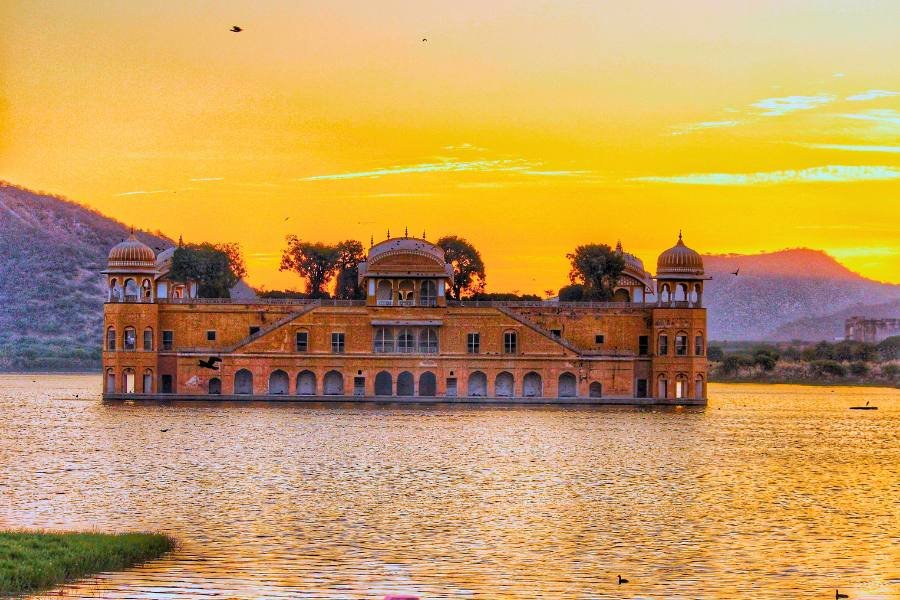
If you want to experience some of North India's most famous landmarks in a short holiday, a 3 Day Delhi Agra Jaipur Tour
What Is the Best 3 Day Delhi Agra Jaipur Tour?
If you want to experience some of North India's most famous landmarks in a short holiday, a 3 Day Delhi Agra Jaipur Tour is an excellent way to explore the Golden Triangle. Delhi, Agra, and Jaipur are three destinations that offer completely different experiences, yet they fit naturally into one travel route. Delhi introduces you to India's historic capital, Agra brings you face-to-face with the magnificent Taj Mahal, and Jaipur completes the journey with magnificent forts, palaces, colorful markets, and the distinctive culture of Rajasthan. The secret to making a three-day trip enjoyable is not trying to visit every possible attraction. Instead, you need a practical route, comfortable transportation, sensible sightseeing hours, and enough flexibility to enjoy the places you actually visit. With the right planning, three days can give you an exciting introduction to India's history, architecture, food, and cultural diversity without requiring a long vacation.
Why Choose a Three-Day Golden Triangle Tour?
The Golden Triangle is popular because it combines three of India's most recognizable tourist destinations into one relatively convenient circuit. Delhi, Agra, and Jaipur are connected by major roads, making a private car or organized tour particularly convenient for travelers with limited time. The journey also offers an impressive variety of experiences. In Delhi, you can move between ancient monuments, Mughal architecture, colonial-era landmarks, modern neighborhoods, and busy markets. Agra is strongly associated with Mughal history and the Taj Mahal, while Jaipur introduces the colorful architectural traditions of the former Rajput kingdoms. This contrast means that the journey never feels like three versions of the same destination. Every day has a different atmosphere, and that variety is one of the biggest reasons travelers choose the Golden Triangle for a first trip to northern India.
Another advantage is that the itinerary can be customized around your interests. History enthusiasts can spend more time at forts, tombs, and palaces, while photographers can prioritize sunrise and sunset locations. Families can choose a slower schedule with fewer monuments, and couples may prefer a more private experience with flexible sightseeing and carefully selected hotels. A three-day itinerary does require early starts, particularly on the Agra day, but that trade-off can be worthwhile when vacation time is limited. The journey is best viewed as a highlights tour rather than an exhaustive exploration of all three cities. You will see important landmarks and get a strong sense of each destination, while a longer trip can always be planned later for deeper exploration.
Day One: Discover the Historic and Modern Sides of Delhi
Delhi deserves more than a few hours, but a carefully planned first day can still introduce you to many of its most important sights. The best approach is to avoid crossing the city repeatedly because traffic can consume valuable sightseeing time. Instead, organize attractions into geographical groups and choose a manageable number of major landmarks. Depending on your arrival time, you might visit Qutub Minar, Humayun's Tomb, India Gate, the Red Fort, or parts of Old Delhi. You do not necessarily need to visit all of them. A good itinerary should leave enough time to actually appreciate each location rather than turning every monument into a rushed photo stop.
Qutub Minar is an impressive introduction to Delhi's architectural heritage, while Humayun's Tomb provides an opportunity to see an elegant Mughal garden-tomb complex. Travelers interested in the history of Delhi can also explore the Red Fort and nearby Old Delhi. The lanes around the old city reveal a much more crowded and energetic side of the capital, with traditional shops, street food, historic buildings, and religious landmarks. Meanwhile, central New Delhi has a very different character, with broad avenues and prominent government and civic buildings. Seeing even two contrasting areas can make the first day feel much richer than visiting a long list of disconnected attractions.
Food can also be an important part of your Delhi experience. From traditional North Indian dishes to contemporary restaurants, the city offers an enormous range of choices. Visitors should select reputable restaurants and take normal precautions with unfamiliar food and water. If you are traveling on a tight schedule, dinner should ideally be relatively early because the following morning is the most important travel day of the trip. Packing your luggage and preparing for the journey to Agra before going to sleep can save considerable time the next morning.
Day Two: Delhi to Agra and the Taj Mahal
The second day is often the most anticipated part of the journey because it takes you to Agra and the Taj Mahal. An early departure from Delhi is generally useful, although the exact travel time can vary depending on traffic and road conditions. Private transportation offers flexibility because you can control your departure time and avoid waiting for multiple transfers. Once you arrive in Agra, prioritize the Taj Mahal and allow yourself enough time to appreciate the monument rather than treating it as a quick stop. The experience can be especially memorable when the light is soft and the crowds are manageable, although exact visiting conditions vary by season and operational arrangements.
The Taj Mahal is much more than the famous white-marble facade seen in photographs. Its proportions, gardens, decorative stonework, calligraphy, reflecting pools, and surrounding architecture all contribute to its visual impact. A knowledgeable local guide can also explain the Mughal context and architectural details that might otherwise be easy to overlook. Travelers should check current ticketing rules, visiting hours, entry procedures, and any official restrictions before visiting because these details can change. Comfortable footwear is useful because sightseeing involves walking, and visitors should allow extra time for security and entry procedures.
After the Taj Mahal, Agra Fort is an excellent second major attraction. Located relatively close to the Taj Mahal, the fort provides a different perspective on the city's Mughal heritage. Its massive walls and palace complexes illustrate the scale of imperial architecture, while certain viewpoints offer memorable views toward the Taj Mahal. Visiting both monuments gives you a more complete understanding of Agra than seeing the Taj Mahal alone. If time allows, you can also explore local handicrafts or other attractions, but it is better to keep the afternoon realistic because you still need to travel onward to Jaipur.
Agra to Jaipur: Making the Most of the Journey
One of the smartest features of the Golden Triangle route is continuing directly from Agra toward Jaipur rather than returning to Delhi. This creates a natural circuit and reduces unnecessary backtracking. Depending on your schedule, you may choose to stop at Fatehpur Sikri, the historic Mughal-era city located between Agra and Jaipur. The site has striking red sandstone architecture and can add an interesting historical dimension to the journey. However, whether you should include it depends on your energy level and the timing of your Taj Mahal and Agra Fort visits.
A common mistake on a short trip is filling every available minute with attractions. That may look impressive on an itinerary, but it can make the actual vacation exhausting. Remember that the journey itself is part of the experience. Watching the landscape change as you leave Uttar Pradesh and approach Rajasthan can be fascinating, particularly for first-time visitors. By the time you arrive in Jaipur, you will probably appreciate having a comfortable hotel and an evening without a long sightseeing list. Check into your accommodation, have dinner, and prepare for the final day.
Day Three: Experience the Royal Heritage of Jaipur
Jaipur provides a dramatic change of scenery and atmosphere. Known as the Pink City, it is famous for historic architecture, royal residences, imposing forts, colorful markets, and traditional Rajasthani culture. The final day should focus on a few major landmarks rather than attempting to explore the entire city. Amber Fort is an obvious priority because its hilltop setting, courtyards, gateways, and palace spaces make it one of Jaipur's defining attractions. Depending on your interests and available time, the itinerary can then continue to the City Palace, Jantar Mantar, Hawa Mahal, and selected markets.
Amber Fort is particularly rewarding for travelers interested in architecture and history. The complex combines defensive features with decorative palace interiors, reflecting the dual role of Rajput fortifications as both military structures and royal residences. Because the fort involves walking and some uneven surfaces, comfortable shoes are advisable. Visiting earlier in the day can also make the experience more comfortable, particularly during warmer periods. Travelers should verify current visitor arrangements and transportation options before arriving.
The City Palace offers another perspective on Jaipur's royal history, with courtyards, buildings, decorative elements, and museum collections. Nearby, Jantar Mantar showcases a fascinating collection of astronomical instruments built during the eighteenth century. Even visitors who are not particularly interested in astronomy may find the enormous instruments surprisingly engaging because they demonstrate how scientific observation was conducted before modern technology. These attractions work well together because they represent different sides of Jaipur: royal life, scientific ambition, and architectural design.
Hawa Mahal and Jaipur's Colorful Markets
Hawa Mahal is one of Jaipur's most recognizable landmarks and is especially popular with photographers. Its distinctive facade contains numerous small windows and architectural details that create a memorable street view. Although the exterior can be appreciated relatively quickly, spending time in the surrounding area gives you a better feel for Jaipur's historic center. Nearby markets offer textiles, jewelry, handicrafts, traditional clothing, souvenirs, and other products associated with Rajasthan.
Shopping should be approached with the same planning as sightseeing. If you are interested in handicrafts, compare products at more than one shop and ask about materials, craftsmanship, and prices before purchasing. Travelers should also remember that a three-day tour provides limited luggage space and that fragile items may be difficult to transport. A small selection of meaningful souvenirs is often more practical than buying large quantities of goods.
Food provides another opportunity to experience Rajasthan before the trip ends. Traditional dishes can include dal baati churma, gatte preparations, various breads, and regional sweets. Jaipur also has a wide range of restaurants serving Indian and international cuisine. If you have dietary restrictions, communicate them clearly to the restaurant staff and choose establishments with good hygiene practices.
How to Choose the Right Tour Package
Choosing the right 3 Day Delhi Agra Jaipur Tour depends on more than simply comparing the headline price. Travelers should look carefully at what the package actually includes. A low advertised rate may exclude accommodation, monument tickets, meals, guide services, parking charges, or transportation expenses. Another package may cost more but include a private vehicle, experienced driver, selected hotels, local guides, and greater flexibility. Comparing inclusions rather than just the final number makes it much easier to understand the actual value of a package.
| Tour Feature | What to Check |
|---|---|
| Transportation | Vehicle type, air conditioning, driver and fuel inclusions |
| Hotels | Location, room category, breakfast and taxes |
| Guides | Whether professional local guides are included |
| Monument Tickets | Whether entrance fees are included or paid separately |
| Meals | Breakfast, lunch or dinner inclusions |
| Transfers | Delhi pickup, Agra transfer and Jaipur departure arrangements |
| Flexibility | Ability to adjust sightseeing times or stops |
Private tours are generally useful when flexibility matters. You can start earlier, spend additional time at a favorite monument, or adjust the itinerary when traffic changes your schedule. Group tours can be suitable for travelers who prefer a more structured experience or want to control costs, but they may operate according to fixed schedules. Neither format is automatically right for every traveler. The best choice depends on your budget, preferred pace, group size, and tolerance for a fixed itinerary.
What Should Be Included in a Three-Day Tour?
A well-organized package should clearly explain transportation, accommodation, sightseeing, and any additional charges. If a driver is included, check whether the vehicle is private and whether fuel, tolls, parking, and interstate charges are covered. Hotel locations also matter because staying far from the main sightseeing areas can add unnecessary travel time. A centrally located hotel may make the overall experience easier even if the room itself is not dramatically different from a property farther away.
Professional guiding can add another layer of value. A monument can be visually impressive without explanation, but understanding the people and historical events connected to it can transform the experience. At the same time, travelers should have some free time to explore at their own pace. The ideal itinerary combines structured sightseeing with enough breathing room to enjoy a meal, take photographs, browse a market, or simply rest.
Best Time to Take the Tour
The best season depends on your tolerance for heat, cold, crowds, and changing weather conditions. Many travelers prefer the cooler months for sightseeing because walking around monuments and forts can be more comfortable. Winter mornings in northern India can sometimes bring fog, particularly around Delhi and Agra, which may affect visibility and road travel. Warmer months can make outdoor sightseeing more demanding, especially around large forts and open courtyards. The monsoon season can bring rain and humidity, although weather conditions vary and some travelers enjoy visiting during this period.
Whatever season you choose, check the forecast shortly before departure and pack accordingly. Comfortable walking shoes are important throughout the year. Sun protection is useful during brighter conditions, while a light jacket can be helpful during cooler mornings and evenings. Flexibility is particularly important during a short itinerary because unexpected traffic, weather, or operational changes can affect the schedule.
Practical Tips for a Smooth Golden Triangle Trip
A successful 3 Day Delhi Agra Jaipur Tour is usually the result of small planning decisions rather than an overloaded itinerary. Keep your luggage manageable, carry essential documents securely, use reliable transportation, and maintain some flexibility in your schedule. Because the trip involves three cities, organizing hotel confirmations, transportation details, tickets, and important contact information before departure can reduce unnecessary stress. Travelers should also keep some drinking water available and take breaks during long sightseeing sessions.
Photography enthusiasts should charge their phones and cameras each evening because there will be many opportunities for photographs. However, remember that some monuments may have restrictions on photography or specific areas where photography is limited. Respect local customs when visiting religious or culturally significant places, and dress appropriately where required. A little preparation goes a long way, especially when the itinerary is short.
Another useful tip is to avoid judging the entire journey by the amount of ground covered. The purpose of a three-day tour is to experience the highlights of the Golden Triangle, not to prove how many monuments you can visit. If you spend an extra thirty minutes appreciating the Taj Mahal, enjoy a relaxed meal in Jaipur, or take time to understand a Delhi monument, those moments can become more memorable than another rushed attraction. Travel is not a checklist; it is an experience.
Why a Private Car Can Be Convenient
For a short Golden Triangle itinerary, private road transportation can make the schedule considerably easier to manage. You are not tied to the departure times of a group or required to make repeated transportation arrangements between attractions. A private driver can also help with luggage transfers and coordinate the road portions of the journey. This can be particularly convenient for families and couples who want a more personalized experience.
When selecting a car-based tour, ask about the vehicle category, passenger capacity, luggage space, air conditioning, driver experience, and what happens if the vehicle develops a problem. It is also sensible to confirm the total price and understand whether tolls, parking, taxes, and other charges are included. Clear communication before the trip helps prevent misunderstandings once the journey begins.
Final Thoughts
A carefully planned 3 Day Delhi Agra Jaipur Tour can deliver an impressive introduction to India's Golden Triangle without requiring a long vacation. Delhi brings together layers of history and modern life, Agra offers the unforgettable Taj Mahal and Mughal heritage, and Jaipur provides a colorful final chapter filled with forts, palaces, markets, and Rajasthani traditions. The route works particularly well when transportation and hotel arrangements are organized in advance and when the sightseeing schedule remains realistic. Instead of trying to see every possible attraction, focus on the landmarks that matter most to you and leave enough time to enjoy them.
The most important thing is to treat the three-day itinerary as a highlights experience. Start early when necessary, keep your belongings organized, choose comfortable transportation, and allow flexibility for traffic and other unexpected changes. With those basics in place, the Golden Triangle can turn a short holiday into a memorable introduction to northern India's history, architecture, cuisine, and culture.
FAQs
1. Can Delhi, Agra, and Jaipur really be visited in three days?
Yes. Three days are enough for a highlights itinerary covering the major attractions of the three cities. However, the schedule will be relatively active, so travelers who prefer slow sightseeing may want to add an extra day.
2. What should I see in Agra during a short tour?
The Taj Mahal should normally receive priority, followed by Agra Fort. Depending on your available time, you can also consider Fatehpur Sikri or selected local attractions.
3. Is a private tour better for a Golden Triangle trip?
A private tour provides greater control over departure times, sightseeing duration, and stops. A group tour can offer a more structured schedule and may suit travelers focused on keeping costs lower. The appropriate format depends on your personal preferences.
4. What is the ideal time of year for Delhi, Agra, and Jaipur?
The cooler months are commonly preferred for comfortable sightseeing, while other seasons can also work with appropriate planning. Weather, crowds, and personal tolerance for heat should all be considered before booking.
5. How can I make a three-day Golden Triangle tour less tiring?
Prioritize major attractions, avoid adding too many optional stops, choose conveniently located hotels, arrange transportation in advance, and leave some downtime in the itinerary. Comfortable footwear, adequate hydration, and early nights can also make a significant difference.